
Glucosamine for Dogs: Complete Guide to Dose, Forms & Safety
Glucosamine for dogs: HCl vs sulfate, dose by weight, how long to work, side effects. The complete science. Plus VitaDog's daily 4-active joint stack.

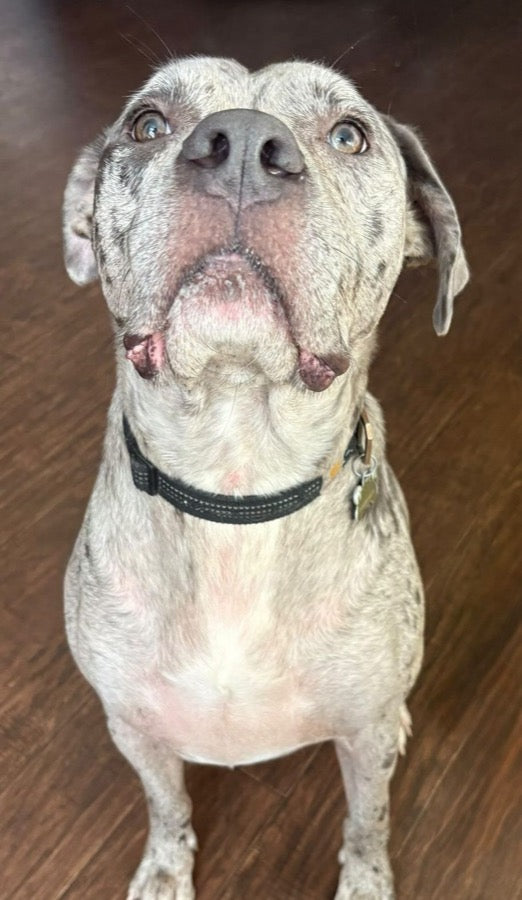
 A VitaDog customer story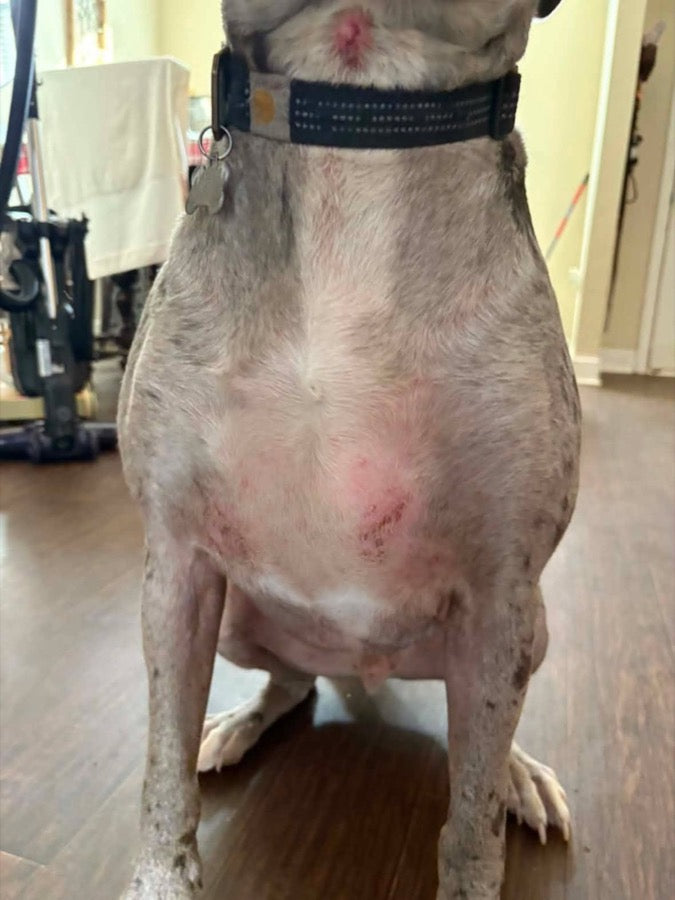
Itchy skin
“I was doubtful it would work.”
After more than a year of trying to calm Ranger’s itchy skin, MacKenzie almost didn’t try one more thing. Two bags of VitaDog Daily later, his coat was growing back and he was finally comfortable.
MacKenzie · Ranger’s owner
Try VitaDogIndividual results. VitaDog supports normal skin and coat health and is not a substitute for veterinary care.
Glucosamine for Dogs: Benefits, Dosage Chart & Side Effects
Glucosamine is the most widely used joint supplement ingredient for dogs, and one of the few with real clinical evidence behind it. But how much does your dog actually need? Which form works best? Does glucosamine alone do the job, or do you need combinations?
This guide covers exactly what you need to know: how glucosamine works, the right dose for your dog's weight, which form to choose, what side effects to watch for, when to start supplementing, and what to pair it with for real effect.
How long does glucosamine take to work in dogs?
Most dogs show measurable improvement at 4 to 6 weeks of daily glucosamine at 20 mg/kg/day, with full effect typically reached around 10 to 12 weeks. Owners often notice subtle behavioral changes (faster on the rise, longer walks, willingness to climb stairs) before they see clear gait changes.
Typical timeline week by week
- Weeks 1-2: cartilage substrate begins replenishing. No visible behavioral change yet.
- Weeks 3-4: subtle behavioral cues appear · faster on the rise after rest, willingness to do the car jump.
- Weeks 5-8: mobility improvements become consistent. Stiffness on cold mornings reduces.
- Weeks 9-12: peak effect plateau. Owners typically score mobility improvement on a daily basis.
- Beyond 12 weeks: maintenance dose. Discontinuing usually causes reversion to baseline within 4-6 weeks.
Don't judge a glucosamine protocol on 1-2 weeks of use · the substrate-restorative mechanism takes time. Use the full 8-12 week window before deciding.
What Is Glucosamine?
Glucosamine is an amino sugar naturally produced by your dog's body. It's a fundamental building block of cartilage, the smooth, rubbery tissue that cushions the ends of bones where they meet at joints.
Think of cartilage like the brake pads on a car. Over time, they wear down. Glucosamine provides the raw material your dog's body needs to repair and maintain those pads.
The problem: as dogs age, their bodies produce less glucosamine naturally. Cartilage breaks down faster than it's rebuilt. That's when stiffness, pain, and arthritis (or DJD as your vet may call it) set in.
Supplementing glucosamine gives the body more of what it needs to keep up with the repair process.
How Does Glucosamine Work in Dogs?
Glucosamine supports joint health through three mechanisms:
1. Cartilage repair and maintenance
Glucosamine is a precursor to glycosaminoglycans (GAGs), the molecules that form the structural matrix of cartilage. More glucosamine in the system means more raw material available for cartilage repair.
2. Synovial fluid production
The joints are lubricated by synovial fluid, which acts as a shock absorber and reduces friction. Glucosamine stimulates the production of joint-lubricating compounds, supporting smoother, less painful movement.
3. Anti-inflammatory effect
While not a traditional anti-inflammatory, glucosamine has been shown to modestly reduce inflammatory markers in joints. It inhibits certain enzymes (matrix metalloproteinases) that break down cartilage tissue, slowing the degenerative process.
Important to understand: glucosamine doesn't eliminate pain like an NSAID does. It supports the structural health of the joint itself. This is why it takes weeks to show results: it's rebuilding, not masking.
Clinical reference: PubMed: glucosamine/chondroitin RCT in canine OA (2006).
Benefits of Glucosamine for Dogs
Research in both veterinary and human medicine supports glucosamine for:
Which dogs benefit most?
Clinical reference: PubMed: dietary supplement RCT in canine OA (2022).
Glucosamine Dosage for Dogs (By Weight)
The standard veterinary guideline is 20 mg of glucosamine per pound of body weight per day.
Glucosamine dosage chart
| Dog weight | Daily dose (maintenance) | Loading dose (weeks 1-4) |
| Under 10 lbs | 200 mg | 300 mg |
| 10 to 25 lbs | 200 to 500 mg | 300 to 750 mg |
| 25 to 50 lbs | 500 to 1,000 mg | 750 to 1,500 mg |
| 50 to 75 lbs | 1,000 to 1,500 mg | 1,500 to 2,250 mg |
| 75 to 100 lbs | 1,500 to 2,000 mg | 2,250 to 3,000 mg |
| Over 100 lbs | 2,000+ mg | 3,000+ mg |
Loading dose vs maintenance dose
Some veterinarians recommend a loading phase for the first 4 to 6 weeks at 1.5x the standard dose to saturate the joint tissue faster, then dropping to the standard maintenance dose.
This approach accelerates initial results but isn't strictly necessary. Standard dosing works, it just takes slightly longer to reach peak benefit.
Dosage for puppies
Glucosamine is safe for puppies but typically not needed until growth plates close (around 12 to 18 months for large breeds). For large-breed puppies with early signs of hip or elbow issues, your vet may recommend starting supplementation earlier.
Types of Glucosamine: Which Form Is Best?
Not all glucosamine is the same. Three forms commonly used in dog supplements:
N-Acetyl Glucosamine (NAG)
Bottom line: if the label just says "glucosamine" without specifying the form, ask the manufacturer. Check the actual milligrams: 500 mg of glucosamine HCl delivers more active ingredient than 500 mg of glucosamine sulfate.
Glucosamine Alone vs Glucosamine Combinations
Here's where the science gets interesting: glucosamine works, but it works significantly better in combination with other ingredients.
Glucosamine + MSM
The most-studied combination. MSM (methylsulfonylmethane) is an organic sulfur compound that reduces inflammation and supports connective tissue. Multiple studies show this combination outperforms either ingredient alone for joint comfort and mobility.
Why it works: glucosamine rebuilds. MSM reduces the inflammation that's destroying what you're trying to rebuild. Attack both sides of the problem simultaneously. See our full MSM for dogs guide for deeper biochemistry.
Glucosamine + Chondroitin
The classic Cosequin combination. Chondroitin helps cartilage retain water (keeping it spongy) and blocks enzymes that degrade cartilage. Found together in products like Cosequin and Dasuquin.
Glucosamine + Turmeric (with black pepper extract)
This combination addresses both pathways: glucosamine for cartilage substrate, curcumin (the active in turmeric) for the NF-kB inflammatory pathway. Critical caveat: curcumin has 1 to 2% oral bioavailability without an absorption enhancer. Black pepper extract (piperine) increases that by up to 2,000%. Without piperine, turmeric supplementation underdelivers regardless of dose.
Glucosamine + Omega-3
Omega-3 fatty acids (EPA/DHA from best fish oil) are among the strongest natural anti-inflammatories available. Combined with glucosamine, they address both the structural and inflammatory components of joint disease. Anchovy-source fish oil is cleaner than salmon. For dose specifics, see Fish Oil Dosage for Dogs.
The whole-body approach
Joint health doesn't exist in a vacuum. The same inflammation driving joint pain often causes gut issues, skin problems, and immune dysfunction. That's why comprehensive supplements combining glucosamine with multi-strain probiotics, omega-3, antioxidants, adaptogens, and bioavailability-enhanced anti-inflammatories increasingly outperform joint-only products in modern protocols.
When the gut is healthy and systemic inflammation is low, joint-specific ingredients work more effectively.
Clinical reference: PubMed: glucosamine vs marine fatty acids RCT (2023).
Side Effects of Glucosamine for Dogs
Glucosamine is one of the safest supplements available for dogs. Side effects are rare and typically mild:
Common (affects less than 5% of dogs):
Mild GI upset, soft stools, gas, or decreased appetite for the first few days
Drowsiness, occasionally reported, usually temporary
Rare:
Increased thirst and urination
Allergic reaction, almost exclusively in dogs with shellfish allergies (use a non-shellfish source)
Important interactions:
Can You Overdose a Dog on Glucosamine?
Short answer: glucosamine has an extremely wide safety margin. Acute toxicity is essentially not reported in veterinary literature.
What happens if your dog eats too much: at very high doses (many times the recommended amount), the most likely symptom is GI upset, vomiting, diarrhea, or soft stools. This is from the quantity consumed, not toxicity of the ingredient itself.
What to do: if your dog eats a large amount, monitor for GI symptoms. Offer water and bland food. Contact your vet if symptoms are severe or if the product contained other ingredients (xylitol, chocolate flavoring) that could be harmful.
Long-term over-dosing: no evidence that consistently giving slightly above the recommended dose causes problems. No additional benefit either, the body uses what it needs and excretes the rest. Stick to the dosage chart.
When to Start Glucosamine (Don't Wait for Symptoms)
This is the single most important takeaway: glucosamine is dramatically more effective as prevention than as treatment.
Once cartilage is severely degraded, no supplement can fully restore it. But glucosamine started before significant damage occurs can maintain cartilage health for years longer.
Recommended starting ages:
The cost of daily glucosamine supplementation is a fraction of the cost of managing advanced arthritis, which often involves prescription NSAIDs ($50 to $100/month), physical therapy ($75 to $150/session), or surgery ($3,000 to $6,000+).
How Long Does Glucosamine Take to Work?
Set realistic expectations:
If you see nothing after 12 weeks of consistent use at the correct dose: the joint damage may be beyond what supplementation alone can address. Consult your vet for imaging and additional treatment options.
Don't stop once it's working. Glucosamine is not a cure, it's maintenance. If you stop supplementation, the benefits gradually reverse over weeks to months.
The Multi-Pathway Approach
Glucosamine alone is rarely enough. See glucosamine + MSM pillar, Dasuquin vs Cosequin, and 7-brand joint supplement test. Our all-in-one dog supplement stacks glucosamine HCl with MSM, anchovy EPA/DHA, and turmeric in one daily scoop.
Modern joint protocols layer ingredients across multiple inflammatory pathways:
quercetin for dogs for histamine and inflammatory response
Buying these as separate supplements means multiple subscriptions, multiple dosing schedules, and inconsistent doses across products.
VitaDog consolidates this multi-pathway approach into a single daily formula:
For dogs needing chondroitin or ASU specifically (advanced DJD with imaging-confirmed cartilage degeneration), those can be added on top of the daily foundation. See the all-in-one formulation or explore the ingredient-specific guides: MSM for dogs, fish oil & omega-3 for dogs, and turmeric for dogs.
For brand-specific comparisons, see our Cosequin review and Dasuquin vs Cosequin breakdown.
Can I give my dog human glucosamine?
Human glucosamine HCl is chemically identical to pet-grade glucosamine. The concerns: the dose may not match your dog's weight, the product may contain xylitol (toxic to dogs), and it may lack the complementary ingredients (MSM, omega-3, turmeric with piperine) that make veterinary formulations more effective. Check the inactive ingredients carefully.
Is glucosamine safe for dogs with kidney disease?
Glucosamine is processed by the liver, not the kidneys. Generally considered safe for dogs with kidney disease, but always consult your veterinarian before adding any supplement to a medically managed dog's regimen.
Does glucosamine help with hip dysplasia?
Glucosamine won't correct the structural abnormality of hip dysplasia, but it significantly supports the cartilage in the malformed joint. This can reduce pain, improve mobility, and slow the progression of secondary arthritis. Most veterinary orthopedic specialists recommend glucosamine as part of hip dysplasia management.
How much glucosamine can a 50 lb dog take?
At the standard 20 mg/lb guideline, a 50-lb dog needs 1,000 mg daily maintenance. During the 4 to 6 week loading phase, 1,500 mg daily is often recommended.
Which is better: glucosamine HCl or glucosamine sulfate?
Glucosamine HCl delivers ~98% active glucosamine per milligram, compared to ~65% for glucosamine sulfate. HCl is the more efficient form per dose. Both work; HCl just delivers more active ingredient at the same mg count.
Can glucosamine cure my dog's arthritis?
No. Arthritis (or DJD) is progressive and cumulative; no supplement cures it. Glucosamine can slow progression, reduce pain, and maintain mobility meaningfully. For severe cases, it complements prescription NSAIDs rather than replacing them. See our DJD in dogs guide for the full multi-modal approach.
Educational content only. This article is not veterinary advice. Always consult your veterinarian before starting, changing, or stopping any supplement, especially if your dog has a medical condition, is pregnant, or is on medication.
References
- McCarthy G, O'Donovan J, Jones B, McAllister H, Seed M, Mooney C. Randomised double-blind, positive-controlled trial to assess the efficacy of glucosamine/chondroitin sulfate for the treatment of dogs with osteoarthritis. The Veterinary Journal. 2007. View source
- Aragon CL, Hofmeister EH, Budsberg SC. Systematic review of clinical trials of treatments for osteoarthritis in dogs. Journal of the American Veterinary Medical Association. 2007. View source
- Bhathal A, Spryszak M, Louizos C, Frankel G. Glucosamine and chondroitin use in canines for osteoarthritis: A review. Open Veterinary Journal. 2017. View source
- D'Altilio M, Peal A, Alvey M, Simms C, Curtsinger A, Gupta RC, Canerdy TD, Goad JT, Bagchi M, Bagchi D. Therapeutic efficacy and safety of undenatured type II collagen singly or in combination with glucosamine and chondroitin in arthritic dogs. Toxicology Mechanisms and Methods. 2007. View source
- Henrotin Y, Mathy M, Sanchez C, Lambert C. Chondroitin sulfate in the treatment of osteoarthritis: from in vitro studies to clinical recommendations. Therapeutic Advances in Musculoskeletal Disease. 2010. View source
- AVMA. Joint supplements for canine osteoarthritis - veterinary perspective. American Veterinary Medical Association. 2024. View source


