
Fish Oil & Omega-3 for Dogs: Benefits, Types & Full Guide
Fish oil and omega-3 for dogs: EPA + DHA dosing by weight, source quality (anchovy vs salmon), and what most pet-aisle bottles get wrong. VitaDog 1,200+ mg/serving.

Part of our complete Dog Skin, Coat & Allergy Guide, see the full picture across yeast infections, allergies, hot spots, alopecia and supplement strategies.
 A VitaDog customer story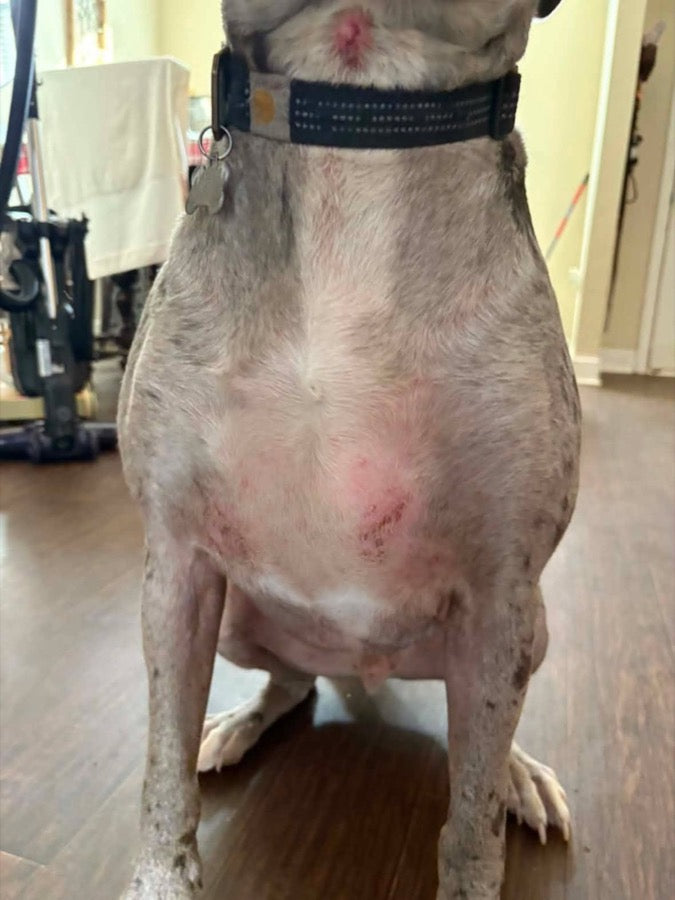

Itchy skin
“I was doubtful it would work.”
After more than a year of trying to calm Ranger’s itchy skin, MacKenzie almost didn’t try one more thing. Two bags of VitaDog Daily later, his coat was growing back and he was finally comfortable.
MacKenzie · Ranger’s owner
Try VitaDogIndividual results. VitaDog supports normal skin and coat health and is not a substitute for veterinary care.
Fish Oil & Omega-3 for Dogs: Complete Guide to Benefits & Use
best fish oil is one of the few canine supplements with near-universal veterinary recommendation. The evidence base is strong: joint support, skin and coat health, cognitive function, cardiovascular protection, immune modulation. For most dogs, omega-3 is foundational.
But there's a wider conversation that gets missed when this category is discussed. The marketing pushes high-volume, single-source fish oil (usually salmon) as if more milliliters automatically means more benefit. That isn't how the underlying biochemistry works. Source quality, fatty acid profile breadth, and delivery format all matter at least as much as raw EPA + DHA volume.
This guide covers the full picture: what omega-3 actually is, why fish oil is the preferred source, EPA vs DHA roles, why anchovy beats salmon, and how to integrate omega-3 into your dog's routine. For exact dosing math, see our fish oil dosage for dogs guide.
What Are Omega-3 Fatty Acids?
Omega-3 are essential fatty acids, "essential" meaning your dog's body can't produce them in meaningful amounts and must get them from diet or supplements.
Three omega-3 forms matter:
For real clinical effect in dogs, EPA and DHA from marine sources are what matters. Plant-based omega-3 alone can't reach therapeutic levels because dogs don't convert ALA well. (That doesn't mean ALA is useless - flaxseed adds plant-source omega-3 that contributes to overall fatty acid balance, just not as a substitute for marine EPA + DHA.)
There's also a fourth fatty acid worth knowing: GLA (gamma-linolenic acid) from evening primrose oil. GLA is technically an omega-6, not omega-3, but it's a specific anti-inflammatory omega-6 that pairs powerfully with EPA/DHA in canine atopic dermatitis. Multiple trials show GLA reduces atopic skin severity in ways fish oil alone can't match. Most pet fish oils don't contain GLA at all, which is a meaningful gap in skin-targeted omega-3 supplementation.
Benefits of Fish Oil for Dogs
The evidence is robust across several areas:
Joint and mobility
EPA modulates prostaglandin and leukotriene production, reducing joint inflammation. Studies show measurable improvements in mobility, stride length, and pain scores in arthritic dogs on therapeutic-dose omega-3.
Often combined with glucosamine and MSM for multi-pathway joint support. For the full arthritis picture, see our DJD in dogs guide.
Skin and coat
EPA/DHA support skin barrier function, reduce inflammatory skin conditions, and improve coat quality. Widely recommended for atopic dermatitis, dry flaky skin, dull coat, and chronic ear issues linked to inflammation.
For chronic itch, the strongest fatty acid protocol pairs EPA/DHA with GLA from evening primrose oil. Fish oil alone covers part of the inflammation pathway; GLA covers the rest. This pairing is meaningfully more effective for atopy than either fatty acid alone.
For chronic itch protocols, see dog itchy skin home remedies.
Cognitive function
DHA is a structural component of neuronal membranes. Supplementation supports puppy brain development, learning and memory, cognitive function in senior dogs, and potential reduction in age-related cognitive decline.
Cardiovascular
EPA/DHA support heart function, can mildly lower triglycerides, and have anti-arrhythmic effects. Commonly recommended for dogs with diagnosed heart disease (under vet supervision).
Kidney disease support
Omega-3 helps manage proteinuria in dogs with chronic kidney disease. Part of standard CKD protocols in veterinary nephrology.
Immune modulation
EPA/DHA modulate immune cell function, reducing overactive inflammatory responses in allergic and autoimmune conditions.
Fish Oil Sources: What Matters
Not all fish oil is equivalent. Source, form, and purity meaningfully affect what your dog gets.
Small fish vs large fish (the most important quality factor)
Small pelagic fish (anchovy, sardine, menhaden) accumulate dramatically less mercury, PCBs, dioxins, and other marine pollutants than larger predatory fish. Anchovies live just 1 to 2 years at the bottom of the food chain. Salmon live 5 to 8 years and sit several trophic levels higher, eating the smaller fish that have already accumulated some contaminant load.
This is why pharmaceutical-grade fish oil for human use (Nordic Naturals, Carlson, Pure Encapsulations) is sourced from anchovy and sardine, not salmon. Anchovy oil is also naturally higher in EPA per gram of oil than salmon, so the EPA density is better even before factoring in purity. MSC-certified Peruvian anchoveta is the gold standard.
Salmon-based products work, especially for smaller dogs at maintenance doses, but they're not the cleanest option per gram of EPA delivered, and the contamination ceiling is higher.
Triglyceride vs ethyl ester form
High-quality pet products specify TG form. Ethyl ester products work but deliver less usable EPA/DHA per mg.
Krill oil (phospholipid form)
Derived from Antarctic krill. Highest bioavailability of any omega-3 form, but expensive and delivers lower absolute EPA/DHA per capsule. Niche product for most dogs; mainstream for dogs with specific digestive issues that prevent absorption of standard fish oil.
Third-party testing
Quality fish oil is tested for heavy metals (mercury, lead, cadmium, arsenic), PCBs, dioxins and furans, and oxidation markers (peroxide and anisidine values).
Look for IFOS (International Fish Oil Standards) certification or manufacturer-published third-party testing.
Format Matters: Oil vs Chew
This is the most under-discussed element of canine omega-3 quality.
EPA and DHA are highly unstable polyunsaturated fatty acids. They oxidize on exposure to heat, light, and air. Oxidized omega-3 isn't just less effective - it's actively pro-inflammatory, the opposite of what the supplement is supposed to do.
This is why pharmaceutical-grade omega-3 for human use is sold as:
It is not sold baked into a chew. A soft chew goes through manufacturing (often with heat for binding), is packaged in a container opened daily, sits at room temperature for months, and exposes the oil component to air every time the lid is opened. Each step accelerates omega-3 oxidation.
If you're looking at a multivitamin chew that lists "omegas" on the label, it's worth checking: does the brand also sell a separate liquid fish oil? If they do, that's a tell - they wouldn't need to sell two products if the chew alone delivered usable omega-3.
For dependable omega-3 delivery, fresh oil in a sealed dropper bottle is the right format.
Which Fish Oil to Choose
For most dog owners, this decision comes down to three options:
Option 1 · Concentrated pet omega-3 liquid (anchovy or sardine source)
Examples: Nordic Naturals Pet Omega-3, similar pharmaceutical-grade brands. Typically 600 to 800 mg EPA+DHA per teaspoon. Easy to dose, good bioavailability, high purity. Anchovy or sardine source, not salmon.
Best for medium-to-large dogs, for therapeutic doses, and for owners prioritizing source quality.
See our Nordic Naturals vs Zesty Paws comparison.
Option 2 · Salmon oil
Examples: Grizzly, Zesty Paws, generic Wild Alaskan Salmon Oil. Typically 300 to 400 mg EPA+DHA per teaspoon. Usually cheaper per bottle but lower concentration means more volume per dose, and salmon source carries higher contamination ceiling than anchovy.
Best for small dogs at maintenance doses where the lower concentration is sufficient and source-quality concerns are smaller.
For the salmon-specific deep dive, see salmon oil for dogs.
Option 3 · Daily multi-active formula with anchovy oil included
Comprehensive canine supplements (including VitaDog) build a daily-foundation omega-3 dose into the formula alongside joint support, multi-strain probiotics, anti-inflammatory layer, and full vitamins. The advantage: you're not chasing a single ingredient, you're supporting the dog's overall inflammatory and skin-coat-joint health from multiple complementary angles in one product.
VitaDog's daily oil is a four-component blend - anchovy oil + flaxseed + evening primrose oil + MCT - which delivers EPA + DHA from the cleanest fish source, plus GLA from evening primrose (which fish oil alone cannot provide), plus plant ALA, plus energy fats. For dogs with allergic itch or atopic skin specifically, the GLA inclusion is meaningful and absent from almost every standalone fish oil on the market.
How to Start Omega-3 Supplementation
Don't jump to target dose on day one. Introduce gradually:
If loose stool, fishy burps, or reduced appetite, hold the current dose for another week before increasing.
Side Effects to Monitor
Common and mild:
Uncommon:
Stop supplementation if:
Persistent diarrhea beyond 2 weeks
Vomiting
Unusual bleeding or bruising
Obvious allergic reaction
Drug Interactions and Cautions
Anticoagulants. Fish oil at therapeutic doses has mild antiplatelet effect. Dogs on warfarin need dose adjustment and monitoring.
Before surgery. Pause omega-3 for 2 weeks before any planned surgery to minimize bleeding risk.
Pancreatitis history. Fish oil is high-fat. Dogs with recurrent pancreatitis need vet guidance before supplementing.
Storage. Always refrigerate liquid fish oil after opening. If the oil smells overly fishy or rancid, throw it out - rancid omega-3 is pro-inflammatory and worse than no fish oil.
Is fish oil safe for dogs every day?
Yes, at appropriate doses. Daily omega-3 supplementation is one of the most well-supported interventions in canine wellness. Side effects are rare and mild at standard doses.
How much fish oil should I give my dog?
Depends on use case. For daily wellness in a healthy dog, the moderate dose in a quality multi-active formula is sufficient. For dogs with diagnosed conditions (osteoarthritis, atopic dermatitis, IBD, cardiac, renal), 50 to 100 mg combined EPA + DHA per pound body weight daily under vet supervision. For full dosing math, see our fish oil dosage guide.
Is salmon oil or anchovy oil better for dogs?
Anchovy is the cleaner source. Salmon sits higher on the food chain and lives longer than anchovies, accumulating more mercury and PCBs over its lifespan. Pharmaceutical-grade fish oil for human use sources from anchovy and sardine, not salmon, for purity reasons. Anchovy is also naturally higher in EPA per gram. Salmon oil works but isn't the cleanest option per dose.
Should I give my dog fish oil if they're already eating fish-based food?
Most fish-based dog foods don't deliver therapeutic-level EPA + DHA from the food alone. The fish oil in kibble is often oxidized by the time the bag reaches you. A separate fresh oil supplement is typically still beneficial unless your dog is on a vet-prescribed therapeutic diet that specifies omega-3 content.
Can I give my dog human fish oil?
Yes, particularly for therapeutic doses where pet-grade products often aren't concentrated enough. Use pharmaceutical-grade brands (Nordic Naturals, Carlson, Pure Encapsulations) and avoid products with added flavoring, vitamin D (different dose for dogs), or sweeteners.
How long does fish oil take to work in dogs?
Skin and coat changes typically visible at 4 to 8 weeks. Joint mobility improvements at 6 to 8 weeks. Inflammatory skin issues at 8 to 12 weeks for mild to moderate cases. Cognitive and cardiac effects accumulate over months.
Why does my dog get fishy breath on fish oil?
Volatile compounds in fish oil can produce a faint fishy odor on breath. Nearly universal, doesn't indicate a problem. Refrigerating the oil and giving with food minimizes it.
Broader Context
Fish Oil Dosage for Dogs, exact dosing math by weight and condition
Nordic Naturals vs Zesty Paws Salmon Oil, brand-specific comparison
Salmon Oil for Dogs, salmon-specific deep dive
Educational content only. This article is not veterinary advice. Always consult your veterinarian before starting, changing, or stopping any supplement, especially if your dog has a medical condition, is pregnant, or is on medication.
References
- Roush JK, Cross AR, Renberg WC, et al. Multicenter veterinary practice assessment of the effects of omega-3 fatty acids on osteoarthritis in dogs. Journal of the American Veterinary Medical Association. 2010. View source
- Bauer JE. Therapeutic use of fish oils in companion animals. Journal of the American Veterinary Medical Association. 2011. View source
- Mehler SJ, May LR, King C, Harris WS, Shah Z. A prospective, randomized, double blind, placebo-controlled evaluation of the effects of eicosapentaenoic acid and docosahexaenoic acid on the clinical signs and erythrocyte membrane polyunsaturated fatty acid concentrations in dogs with osteoarthritis. Prostaglandins, Leukotrienes and Essential Fatty Acids. 2016. View source
- Hall JA, Picton RA, Skinner MM, Jewell DE, Wander RC. The (n-3) fatty acid dose, independent of the (n-6) to (n-3) fatty acid ratio, affects the plasma fatty acid profile of normal dogs. Journal of Nutrition. 2006. View source
- Bauer JE. Timely topics in nutrition: the essential nature of dietary omega-3 fatty acids in dogs. Journal of the American Veterinary Medical Association. 2016. View source
- WSAVA Global Nutrition Committee. WSAVA Nutritional Assessment Guidelines. World Small Animal Veterinary Association. 2021. View source


