
Best All-in-One Dog Supplement 2026: 5 Brands Compared Head-to-Head
Best all-in-one dog supplement compared: 5 brands head-to-head on actives, dosing, format, price. Why VitaDog wins on density. 30-day refund, free shipping.

Updated August 7, 2026: added a Better Wild comparison and re-checked current pricing across the brands below.

5 all-in-one dog supplements compared on ingredient depth, dose ceiling and format: VitaDog (powder + oil dropper), Dog Is Human ($48-$65/mo, soft chew), PetLab Co. ($25-$30/product, soft chew), NutraThrive ($40-$55/mo, powder), and Native Pet (powder). Powder formats out-perform chews on dose ceiling.
 A VitaDog customer story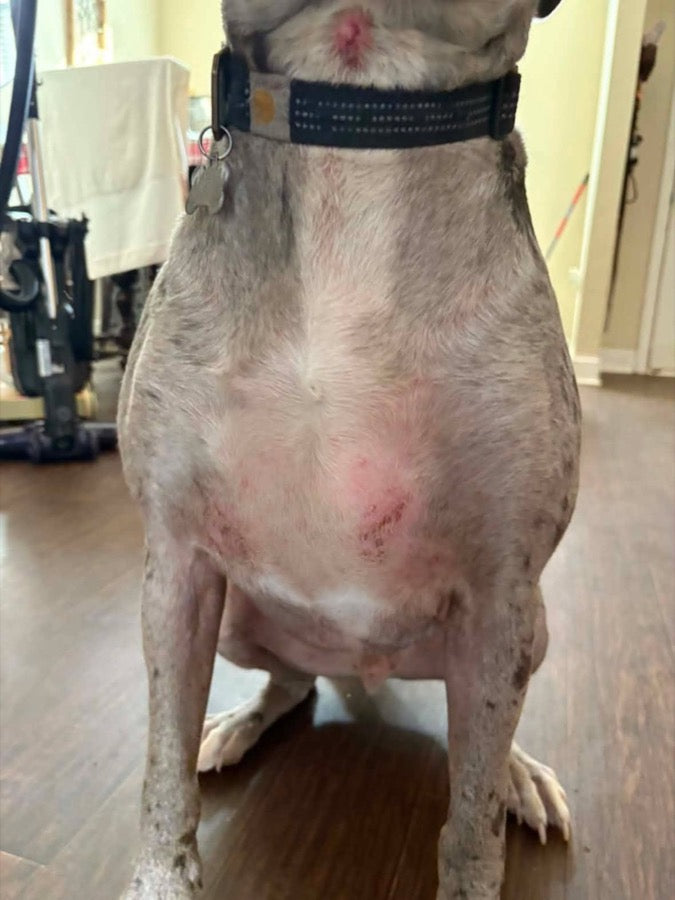
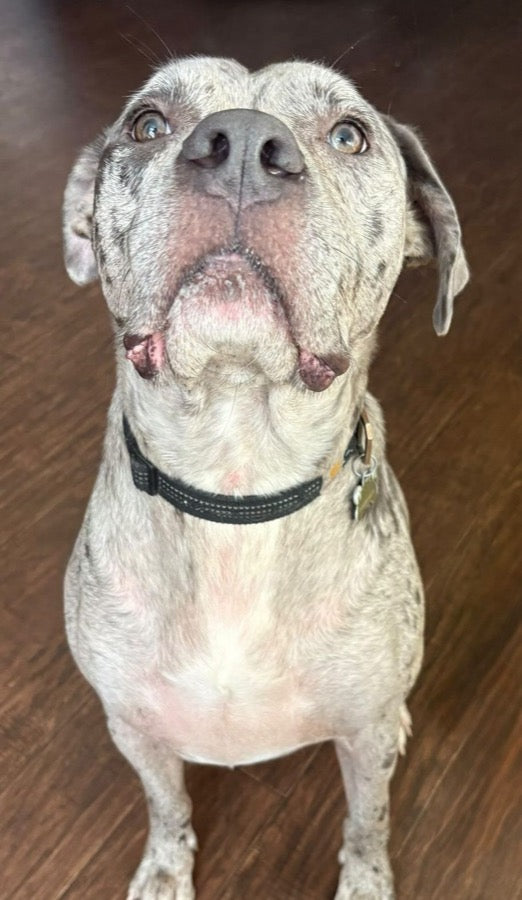
Itchy skin
“I was doubtful it would work.”
After more than a year of trying to calm Ranger’s itchy skin, MacKenzie almost didn’t try one more thing. Two bags of VitaDog Daily later, his coat was growing back and he was finally comfortable.
MacKenzie · Ranger’s owner
Try VitaDogIndividual results. VitaDog supports normal skin and coat health and is not a substitute for veterinary care.
Best All-In-One Dog Supplement: Honest 2026 Comparison
Most dog supplement reviews are either marketing in disguise or so cautious they're useless. This one tries to be neither.
The all-in-one daily supplement category has exploded in the last three years. Dog Is Human, PetLab, NutraThrive, Bark&Spark, Native Pet, VitaDog, plus a dozen smaller brands all claim to be the comprehensive daily wellness solution. Pricing ranges from $25 to $80 per month. The labels look similar enough that meaningful comparison takes more than a glance.
This guide is the honest comparison. Real ingredient panels, not marketing copy. The questions that actually matter - multi-strain probiotics vs single-strain, broad fatty acid coverage vs single-source best fish oil, turmeric with piperine vs without, brewers yeast or not - broken down across the major brands. By the end you should know which all-in-one is genuinely best for your dog and your budget.
The Criteria That Actually Matter
Not every checkbox on a pet supplement label is meaningful. The ones that genuinely separate good products from mediocre ones:
1. Probiotic strain count and CFU
A healthy canine gut hosts hundreds of bacterial species. Multi-strain formulations with 5+ strains provide broader functional coverage than single-strain products: more short-chain fatty acid production, more competitive exclusion of pathogens, better redundancy.
CFU matters too. 1 billion CFU is a reasonable daily target. 100 million is too low. 10 billion is overkill for daily use.
2. Multi-pathway anti-inflammatory coverage
Modern canine inflammation runs through multiple pathways simultaneously. The strongest formulations layer:
Glucosamine + MSM for the cartilage and sulfur layer
quercetin for dogs for histamine and inflammatory response
Single-pathway products (just glucosamine, just fish oil) leave most of the inflammation untouched.
3. Broad fatty acid coverage
Fish oil alone delivers EPA and DHA. That's important but incomplete. The strongest skin and inflammation outcomes come from formulations that also include GLA (gamma-linolenic acid, found in evening primrose oil), which is specifically evidence-backed for canine atopic dermatitis. Anchovy-source fish oil is cleaner than salmon (lower trophic level, lower mercury and PCB load, naturally higher EPA, MSC-certified Peruvian anchoveta is the gold standard). Flaxseed adds plant ALA. MCT oil adds energy fats. A multi-oil blend covers a wider fatty acid profile than fish oil alone, full stop.
4. No brewers yeast
This is the one most owners don't know to look for. Brewers yeast (Saccharomyces cerevisiae) appears in many chew-format pet supplements as a binder and palatant, and in some products as a "prebiotic" substrate. It's a different yeast species than the Malassezia that overgrows on dog skin and ears, but yeast-prone dogs frequently react to dietary yeast through cross-reactive immune pathways and gut-skin axis effects. Owners managing recurrent yeast infections, atopic dermatitis, or chronic ear problems often see flare-ups on brewers-yeast-containing products.
For a dog with any history of itching, ear issues, or yeast overgrowth, a brewers-yeast-free formula is meaningfully better than one that contains it.
5. Bioavailable vitamin and mineral forms
Cheap multivitamins use the cheapest forms of B12 (cyanocobalamin), the cheapest mineral forms (oxides), and the cheapest vitamin E. Quality formulations use methylcobalamin for B12 (most bioavailable), chelated minerals like proteinate and bisglycinate (better absorbed than oxides), and natural-source vitamin E. Cost-per-dose is higher; functional outcome is better.
6. Honest dosing math
Daily-dose formulations should reach therapeutic levels for the named active ingredients at reasonable serving sizes. A "complete" formula with sub-clinical doses of everything is just expensive trail mix.

Better Wild vs Dog Is Human: the comparison people actually search for
These two get compared constantly, and it makes sense once you see what they are: both sell a chewable daily for dogs, both lean on a natural, ancestral positioning, and both sit in the same price bracket. But they are solving different problems.
Better Wild builds its range around combinations rather than a single daily multi. Its main product is a Dental + Multivitamin soft chew at $39.99 (a small-dog version at the same price, and multi-packs down to a lower per-unit price), which pairs oral care with everyday vitamins and gut ingredients. Alongside it sit separate Joint Support ($44.99) and Allergy Relief ($39.99) chews. The pitch is breath and teeth first, general wellness second.
Dog Is Human is a straight daily multivitamin, $46 one-time or $39.10 on subscription, with no dental angle and a separate product if you want joint support.
So the honest way to choose between them is to name your actual problem. If bad breath and plaque are what bother you day to day, Better Wild's combined chew does something Dog Is Human does not do at all. If you want the broadest daily nutritional base and dental is handled by brushing or dental chews already, you are comparing multivitamins, and there the question becomes dosing rather than positioning.
One caveat that applies to both, and to most of this category: neither publishes a full milligram-level breakdown of its blend on the product page. You are choosing between ingredient lists, not between measured amounts, which is exactly why the criteria at the top of this page matter more than any brand comparison.
Prices and product line-ups verified on each brand's own store in August 2026.
The Major Brands Compared
| Feature | VitaDog | Dog Is Human | PetLab Co. | NutraThrive |
| Format | Powder + oil dropper | Soft chew | Soft chew | Powder |
| Probiotic strains | 8 (named) | 3 | 8 | 4 |
| Probiotic CFU | 1 billion | 500 million | 1 to 2 billion | 1 billion |
| Prebiotic | Inulin + pumpkin | None named | Inulin | Inulin |
| Brewers yeast? | No | Yes (inactive ingredient) | Yes (binder) | No |
| Glucosamine + MSM | ✓ (600mg combined) | ✓ | ✓ (lower dose) | ✗ |
| Multi-oil blend | ✓ (anchovy + flax + EPO + MCT) | Wild Alaskan fish oil only | Limited | Limited |
| GLA from evening primrose oil | ✓ | ✗ | ✗ | ✗ |
| Turmeric + black pepper extract | ✓ | ✗ | ✗ | ✓ (no piperine) |
| Quercetin | ✓ | ✗ | ✗ | ✗ |
| Adaptogens (astragalus, liquorice, rosemary) | ✓ | ✗ | ✗ | ✗ |
| Methylcobalamin B12 | ✓ | ✗ | ✗ | ✗ |
| Chelated minerals | ✓ | Partial | Partial | Partial |
| Cost per month (medium dog) | See pricing | $48 to $65 | $25 to $30/product | $40 to $55 |
For brand-specific deep dives, see our Dog Is Human review and PetLab probiotic chews review.
Dog Is Human
Wins: Premium brand, transparent ingredient labeling, palatable chew, clean unboxing.
Loses: Contains brewers yeast as an inactive ingredient - this is the single biggest issue, especially given Dog Is Human markets variants explicitly for "yeast defense" and "itch relief." Including brewers yeast in a product positioned for yeast and itch issues is genuinely contradictory: yeast-prone dogs frequently cross-react to dietary yeast through immune pathways. Beyond that, the probiotic is 3 strains at 500 million CFU, modest by category standards. No turmeric at all. No quercetin, no adaptogens, no GLA from evening primrose oil. Fish oil is wild Alaskan salmon - fine, but salmon sits higher on the food chain than anchovy, accumulating more mercury and PCBs over the salmon's longer lifespan. Pricing is at the top end of the category at $48 to $65/month.
The "human-grade" branding does real work; the formula behind it is more conventional than the marketing implies.
PetLab Co.
Wins: Decent strain count on the probiotic (8 strains), inulin prebiotic, palatable chew format, low entry price per individual product.
Loses: Brewers yeast in the chew binder, same cross-reactivity issue as Dog Is Human. Each PetLab product is single-purpose (probiotic, joint, multivitamin sold separately) so stacking gets expensive fast - three PetLab subscriptions runs $75 to $90/month. No turmeric with piperine. No quercetin or adaptogens. No GLA from evening primrose oil. Probiotic CFU varies lot-to-lot more than transparent.
PetLab's marketing budget is in the price. The product itself is a mid-tier chew at premium-tier total cost when you stack their range.
NutraThrive
Wins: Powder format, no brewers yeast, decent vitamin coverage, includes turmeric.
Loses: Probiotic is only 4 strains at 1 billion CFU, narrower than VitaDog or PetLab. Turmeric without piperine means 1 to 2% absorption - basically wasted at the dose included. No quercetin. No adaptogens. No multi-oil omega blend. Joint support is light. The format is right; the formulation underdelivers for the price point.
VitaDog
Wins: Highest strain count probiotic (8 named strains) at 1 billion CFU with inulin and pumpkin prebiotic. No brewers yeast anywhere in the formula, which matters meaningfully for any dog with itching, allergies, ear issues, or yeast-prone skin. Turmeric paired with black pepper extract for piperine-enabled curcumin absorption - the difference between turmeric supplementation that works and turmeric supplementation that doesn't. Multi-pathway anti-inflammatory coverage through quercetin (for histamine and inflammatory response), astragalus root and liquorice root and rosemary extract (adaptogenic and antioxidant support). Four-oil blend combining anchovy oil (cleaner than salmon), flaxseed, evening primrose oil (the only one of these brands with GLA, specifically evidence-backed for atopic dermatitis), and MCT - this delivers a meaningfully broader fatty acid profile than the single-source fish oil approach used by every other brand. Glucosamine HCl + MSM (600mg combined) for the joint layer. Methylcobalamin B12, chelated minerals, niacinamide as NAD+ precursor.
Loses: Powder + oil dropper format isn't as instantly convenient as a chew (most dogs accept it readily on food, but it's a different texture). Doesn't contain chondroitin or ASU - for late-stage DJD with imaging-confirmed cartilage degeneration where those are specifically indicated, they can be added on top. For most dogs, the multi-pathway approach does more work than escalating cartilage substrate alone.

The Omega Question (Why Multi-Oil Beats Single-Oil)
This deserves its own section because it's the most under-explained advantage of comprehensive formulations.
Every all-in-one in this category includes "omega-3" - but how they deliver it matters more than the dose number on the label. Three meaningful differences:
1. Source quality. "Wild Alaskan salmon oil" sounds premium and tests well in marketing. The reality: salmon sit relatively high on the food chain and live long enough to accumulate mercury, PCBs, and dioxins from the smaller fish they eat. Anchovies sit at the bottom of the food chain, live short lives (1 to 2 years), and accumulate less marine pollutant per gram of oil. This is why pharmaceutical-grade fish oil for human use (Nordic Naturals, Carlson, Pure Encapsulations) sources from anchovy, not salmon. MSC-certified Peruvian anchoveta is the gold standard.
2. Single fatty acid vs broad profile. Fish oil alone delivers EPA and DHA. That's two fatty acids. Modern skin and inflammation research points to GLA (gamma-linolenic acid) as a complementary fatty acid that fish oil can't provide. GLA comes from evening primrose oil (or borage, or black currant). Multiple canine trials show GLA specifically reduces atopic dermatitis severity. VitaDog's evening primrose oil component delivers GLA that no other brand in this comparison includes. Plus flaxseed for plant ALA and MCT for energy fats. The four-oil blend covers more fatty acid territory than a single-source fish oil, period.
3. Multi-pathway anti-inflammatory effect. Even setting aside source quality, the four-oil blend works alongside turmeric (with piperine), quercetin, astragalus, and liquorice root in the VitaDog formula. Five anti-inflammatory pathways covered simultaneously. Other brands typically cover one or two. The compounding effect across pathways is meaningfully larger than any single ingredient at higher dose.
Bottom line: VitaDog's omega approach isn't smaller than the competition's - it's structurally different, broader, and built around bioavailability and complementary pathways rather than just a fish oil dose number on the label.
What Actually Matters in Daily Outcomes
Owners shopping for an all-in-one usually want:
The formulations that deliver across all of these are the ones with multi-pathway anti-inflammatory coverage + multi-strain probiotic + broad fatty acid profile + no brewers yeast. Single-pathway products win on one or two of those metrics and miss on the others.
When to Consider Each
Pick Dog Is Human if:
You strongly value brand and packaging aesthetics
Your dog has no history of itching, allergies, ear problems, or yeast issues (so the brewers yeast isn't a concern)
You're not price-sensitive
You want a chew format and the formulation gaps don't bother you
Pick PetLab Co. if:
You want a chew at moderate price
Your dog has no yeast or allergy history (brewers yeast)
You only want one of their products, not the full stack (stacking gets expensive)
Pick NutraThrive if:
You want a powder format at moderate price
You don't care about turmeric absorption (their version lacks piperine)
You're OK with a narrower probiotic profile
Pick VitaDog if:
You want the broadest active-ingredient coverage in the category
Your dog has itching, allergies, ear issues, or any yeast history (the brewers-yeast-free formula is meaningful)
You want turmeric that actually absorbs (piperine pairing)
You want a multi-oil blend covering EPA, DHA, GLA, ALA, and MCT - not just fish oil
You want the highest strain count probiotic in the comparison at meaningful CFU
You're consolidating from multiple separate supplements (joint + omega + probiotic + multivitamin) and want one daily formula instead

What to Avoid Across the Category
Brewers yeast in any chew or "prebiotic" formula if your dog has itching, ear, or yeast issues.
Turmeric without piperine. Largely wasted at any dose. Always check for "black pepper extract" or "piperine" on the label.
Single-strain probiotics marketed as "all-in-one." Modern gut science doesn't support a single strain as a comprehensive solution.
Generic "fish oil" without a named source (anchovy, sardine, mackerel, salmon). Source matters for purity. Mystery fish oil usually means cheap fish oil.
Cyanocobalamin (cheap B12) when methylcobalamin (bioavailable) is available at similar cost.
"Proprietary blends" with no individual dose breakdown. If they won't tell you the dose, it's because the dose is too low to print.
What's the best all-in-one supplement for dogs in 2026?
For dogs with allergies, itching, ear issues, or yeast-prone skin, VitaDog is the strongest pick because of the multi-pathway anti-inflammatory coverage, the four-oil omega blend with GLA, the high-strain probiotic, and the absence of brewers yeast. For owners willing to pay premium for brand and willing to accept a single-strain-equivalent probiotic and brewers-yeast-containing formula, Dog Is Human is the conventional premium choice.
Does Dog Is Human contain brewers yeast?
Yes. Brewers yeast appears in Dog Is Human's inactive ingredient list across their product line. This is worth knowing because Dog Is Human markets variants targeting yeast and itch issues, and brewers yeast can drive cross-reactive immune responses in yeast-prone or atopic dogs.
Is wild Alaskan salmon oil better than anchovy oil?
No, the opposite. Salmon sit higher on the food chain and live longer than anchovies, accumulating more mercury, PCBs, and other marine pollutants. Pharmaceutical-grade fish oil for human use (Nordic Naturals, Carlson, Pure Encapsulations) sources from anchovy, sardine, or mackerel rather than salmon for purity reasons. Anchovy oil is cleaner per gram of EPA + DHA delivered.
What does it mean if a turmeric supplement doesn't include black pepper?
Curcumin (the active in turmeric) has 1 to 2% oral bioavailability on its own because liver enzymes break it down before it reaches the bloodstream. Piperine (in black pepper extract) inhibits those enzymes and increases curcumin absorption by up to 2,000%. A turmeric supplement without piperine is delivering a fraction of its labeled dose. This applies to NutraThrive, Dasuquin Advanced, and most pet shelf turmeric products.
Is brewers yeast bad for all dogs?
No. Healthy non-allergic dogs typically tolerate brewers yeast fine. The issue is for dogs with environmental allergies, food sensitivities, recurrent ear infections, atopic dermatitis, or any yeast overgrowth history - these dogs frequently cross-react to dietary yeast through immune pathways. If your dog has any of those conditions, removing brewers yeast from food and supplements is one of the highest-leverage diet changes you can make.
How long do all-in-one supplements take to work?
Most owners report visible coat and energy changes within 4 to 6 weeks. Joint mobility benefits show at 6 to 8 weeks (standard glucosamine timeline). Skin and itch reduction in atopic dogs often takes 8 to 12 weeks. Probiotic and gut effects typically visible within 2 to 4 weeks.
Can I give my dog an all-in-one plus a separate joint supplement?
Yes if needed, though for most dogs the joint coverage in a comprehensive formula is sufficient. Dogs with diagnosed advanced DJD, hip dysplasia with imaging-confirmed cartilage degeneration, or moderate-to-severe arthritis sometimes benefit from adding chondroitin or ASU on top of a daily multi-pathway formula. Discuss with your vet.
What if my dog hates powders?
Most dogs accept powder formulas mixed into wet food, mixed into broth, or sprinkled on kibble with the oil dropper on top. The peanut butter and oat flavor base in VitaDog's powder is well-accepted. If your dog truly refuses any powder, chew formats are an option but you're trading active-ingredient coverage and bioavailability for format convenience.
Broader Context
do dogs really need supplements, baseline evaluation before choosing any product
Dog Is Human Multivitamin Review, brand-specific deep dive
PetLab Probiotic Chews Review, brand-specific deep dive
how long dogs live by breed, AKC life expectancy and what changes as each breed ages
Educational content only. This article is not veterinary advice. Always consult your veterinarian before starting, changing, or stopping any supplement, especially if your dog has a medical condition, is pregnant, or is on medication.
Other major all-in-one brands to consider
Beyond the brands ranked above, these established competitors are worth a brief look. They didn't make the top of the ranking either because of dose specifics, format limitations, or claims that aren't supported by evidence, but each has a real customer base.
Front of the Pack (FOTP) · The One Multi
FOTP is one of the higher-profile all-in-one chews in the US market, marketed heavily on Instagram. The formula covers joint, gut, immune and skin in a single chew. Pros : convenient chew format, transparent ingredient list, strong UX on the website. Cons : the dose math gets tight at 30 lb+ dogs · the chews lock the per-serving dose to 5 grams which limits how much glucosamine + MSM + EPA + DHA can fit. For dogs under 30 lb the format is great; for medium-to-large dogs you may need to stack a separate fish oil to hit clinically meaningful EPA + DHA targets.
Honest Paws · Wellness Multivitamin
Honest Paws started as a CBD-focused brand and expanded into multivitamins. The Wellness chew is a competent baseline multivitamin but is light on the joint stack (glucosamine present but at low single-chew doses) and on the omega-3 component. Best for dogs who already get joint and omega-3 support from food and just need a vitamin/mineral baseline.
Bark Botanica
Bark Botanica targets the natural-and-botanical end of the market, with formulations heavy on adaptogens (ashwagandha, reishi mushroom, etc.) alongside basic vitamins. The botanical angle is interesting and the brand has good provenance, but the joint and gut stacks are thinner than what evidence-based competitors deliver. Best for owners specifically drawn to herbal formulations rather than the strongest evidence-based stack.
Plentum
Plentum is one of the only all-in-one brands besides VitaDog that uses a powder + dosed-oil format rather than chews. Strong joint and gut profile. Higher price point per serving than most competitors. Worth comparing directly to VitaDog if you specifically want the powder format with scalable per-tier dosing.


