
Best Dog Supplement for Skin and Coat: How to Stop the...
Best skin and coat supplement for dogs: omega-3, vitamin E, zinc and probiotic, all in VitaDog's daily powder shake. 4.8 stars from 457 owners. 30-day refund.

Part of our complete Dog Skin, Coat & Allergy Guide, see the full picture across yeast infections, allergies, hot spots, alopecia and supplement strategies.
The constant scratching. The licking. The red, irritated skin. The vet bills for allergy tests that come back inconclusive. The prescription shampoos that help for a week and then stop working.
If this sounds familiar, you’re not alone. Skin issues are the #1 reason dogs visit the vet, and the #2 reason owners search for supplements (right behind joint problems).
Here’s what most dog owners don’t know: the majority of skin problems start in the gut, not on the skin. And the supplements that actually work are the ones that address this root cause, not just the symptoms.
Environmental allergies (atopy)
Pollen, grass, dust mites, mold. These airborne allergens trigger an immune overreaction that manifests as itching, redness, and inflammation. Seasonal patterns are the clue, worse in spring/fall, better in winter.
Food sensitivities
Not a true allergy in most cases, but a chronic inflammatory response to certain proteins or ingredients. Common triggers: chicken, beef, dairy, wheat, soy. Symptoms are year-round and often include both skin and digestive issues.
Yeast overgrowth
Malassezia yeast naturally lives on a dog’s skin. When the immune system is compromised or the skin microbiome is disrupted, yeast overgrows, causing intense itching, a musty smell, dark waxy ear buildup, and brownish discoloration between the toes. Full protocol: Dog Yeast Infection Home Remedies.
Gut dysbiosis (the hidden driver)
Here’s the critical insight: 70% of a dog’s immune system lives in the gut. When gut bacteria are imbalanced, the immune system becomes hyperreactive, responding to harmless substances (pollen, food proteins) with full-blown inflammatory responses.
This is why dogs with skin issues often also have:
- Sensitive stomachs
- Loose stools or inconsistent digestion
- Gas and bloating
- Recurring ear infections
Fix the gut, and the skin often follows. This is the gut-skin axis, and it’s the foundation of effective supplement strategy for itchy dogs. For the complete picture, see our Dog Skin, Coat & Allergy Guide and Dog Gut Health Guide.
Omega-3 Fatty Acids (EPA and DHA)
The single most researched and effective supplement for canine skin health. Omega-3s:
- Reduce inflammatory cytokines that drive itching
- Strengthen the skin barrier (reducing moisture loss and allergen penetration)
- Improve coat quality and shine
- Reduce shedding
Dosage for skin issues: higher than general maintenance. Aim for 75-100 mg combined EPA+DHA per 10 pounds of body weight. A 50-lb dog with skin problems needs 3,750-5,000 mg daily. For full dosing math, see Fish Oil Dosage for Dogs.
Source matters: best fish oil (salmon, sardine, anchovy) provides EPA and DHA directly. Plant-based omega-3 (flaxseed, chia) provides ALA, which dogs convert very poorly to EPA/DHA, less than 5% conversion rate. For skin issues, fish-sourced omega-3 is non-negotiable. See Fish Oil & Omega-3 for Dogs.
Timeline: 6-8 weeks for visible skin improvement, 12 weeks for full coat transformation.
Probiotics (Multi-strain)
Probiotics address the gut-skin connection directly by:
- Rebalancing gut bacteria that regulate immune response
- Reducing systemic inflammation that shows up as skin irritation
- Competing with pathogenic yeast in the gut (reducing yeast overgrowth on skin)
- Strengthening the intestinal barrier (preventing “leaky gut” that triggers immune overreaction)
Best strains for skin: Lactobacillus acidophilus, Lactobacillus rhamnosus, Bacillus subtilis. Full breakdown: Lactobacillus Strains for Dogs.
Timeline: 3-4 weeks for digestive improvement, 6-8 weeks for skin changes.
Quercetin
Called “nature’s Benadryl” by holistic veterinarians. quercetin for dogs is a plant flavonoid that:
- Stabilizes mast cells (preventing histamine release, the same mechanism as antihistamine drugs)
- Has powerful anti-inflammatory effects
- Acts as an antioxidant protecting skin cells
Why it’s underused: most standalone skin supplements don’t include quercetin because it’s expensive. But it’s one of the most effective natural compounds for allergy-driven itching. See Quercetin for Dogs.
Dosage: 5-10 mg per pound of body weight daily.
Tier 2 · Good evidence, complementary
Biotin (Vitamin B7): supports skin cell renewal, coat growth, and nail health. Deficiency causes dry, flaky skin and brittle coat. Most commercial dog foods provide adequate biotin, but dogs with skin issues often benefit from supplemental amounts. See Biotin for Dogs.
Zinc: essential for skin healing, immune function, and maintaining the skin barrier. Certain breeds (Huskies, Malamutes, German Shepherds) are genetically predisposed to zinc malabsorption and benefit significantly from supplementation. See Zinc for Dogs.
Vitamin E: antioxidant that protects skin cell membranes from oxidative damage. Applied topically or taken orally. Works synergistically with omega-3 fatty acids. See Vitamin E for Dogs.
Turmeric (Curcumin): potent anti-inflammatory that can reduce skin inflammation from the inside. Must be combined with piperine (black pepper extract) or fat for absorption. Particularly helpful for chronic inflammatory skin conditions. See Turmeric for Dogs.
Tier 3 · Supportive, less evidence
Colostrum: bovine colostrum contains immunoglobulins that may support immune regulation. Some promising preliminary data for allergic dogs, but limited clinical trials.
Coconut oil (MCT): mild antimicrobial properties when applied topically. Oral supplementation is less proven for skin specifically.
Apple cider vinegar: popular home remedy with almost no clinical evidence for internal use. May help as a topical rinse for mild yeast overgrowth.
Quick note · Daily nutritional support matters for almost every aspect of canine health. VitaDog bundles an 8-strain probiotics with inulin and pumpkin prebiotic, therapeutic-dose omega-3 (fish oil) with GLA from evening primrose oil, quercetin, zinc, biotin, vitamin E, and turmeric paired with black pepper extract for piperine-enabled curcumin absorption into one daily powder, the gut-skin axis foundation in a single scoop.
 A VitaDog customer story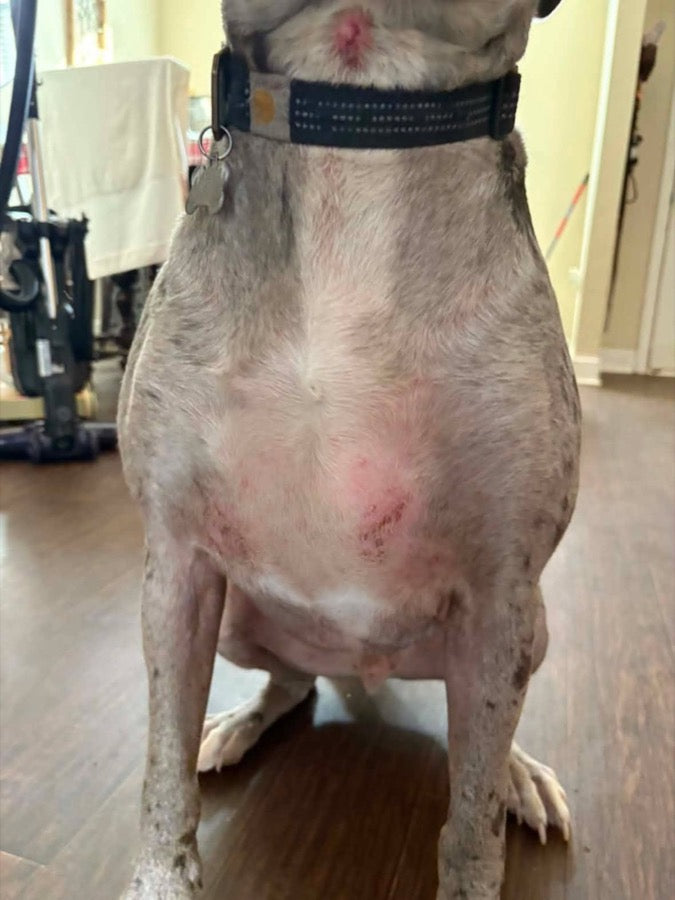
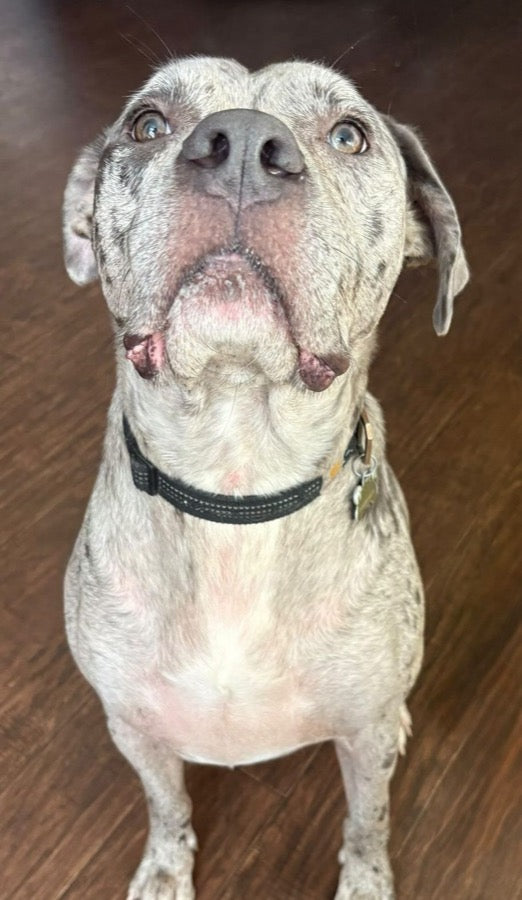
Itchy skin
“I was doubtful it would work.”
After more than a year of trying to calm Ranger’s itchy skin, MacKenzie almost didn’t try one more thing. Two bags of VitaDog Daily later, his coat was growing back and he was finally comfortable.
MacKenzie · Ranger’s owner
Try VitaDogIndividual results. VitaDog supports normal skin and coat health and is not a substitute for veterinary care.
The Wrong Approach · Treating Symptoms Only
Here’s a common cycle:
- Dog starts itching
- Owner buys a “skin and coat” supplement (usually just fish oil + biotin)
- Itching improves slightly after 6-8 weeks
- Itching returns or never fully resolves
- Owner adds antihistamines (Benadryl, Zyrtec)
- Marginal improvement
- Vet prescribes Apoquel or Cytopoint ($80-$150/month)
- Symptoms managed, but root cause untouched
The drugs work, Apoquel and Cytopoint are effective at blocking itch pathways. But they suppress the immune response rather than fixing the underlying imbalance. Many dogs need them indefinitely, at significant cost.
The better approach: address the gut-skin connection with probiotics + omega-3 + quercetin FIRST. Many dogs see 60-80% improvement in itching from this combination alone. For dogs that still need pharmaceutical support, the dosage or frequency of medication can often be reduced.
This isn’t anti-medication. It’s about building a foundation of gut and immune health so the body can regulate itself better, and using medication as a targeted tool rather than a permanent crutch.
For severe/chronic itching (constant scratching, yeast, ear infections):
- All of the above PLUS:
What About Elimination Diets?
If you suspect food sensitivities, an elimination diet is the gold standard diagnostic tool:
- Feed a novel protein + novel carbohydrate for 8-12 weeks (venison and sweet potato, something the dog has never eaten)
- No treats, no table scraps, no flavored supplements during the trial
- If symptoms improve, reintroduce one ingredient at a time every 2 weeks
- Watch for flare-ups to identify the trigger
During an elimination diet: continue omega-3 and probiotic supplementation (choose unflavored products without chicken or beef-derived ingredients). These support the gut-skin axis regardless of the dietary trigger.
Breed-Specific Considerations
Some breeds are genetically predisposed to skin issues:
| Breed | Common skin issue | Supplement priority |
|---|---|---|
| French Bulldog | Allergies, yeast, fold dermatitis | Probiotics + quercetin + omega-3 |
| Golden Retriever | Hot spots, allergies, yeast ears | Omega-3 (high dose) + probiotics |
| German Shepherd | Sensitive skin, zinc deficiency | Zinc + omega-3 + probiotics |
| Labrador | Allergies, ear infections | Omega-3 + probiotics |
| Bulldog (English) | Fold infections, allergies | Probiotics + quercetin + zinc |
| Husky / Malamute | Zinc-responsive dermatosis | Zinc (high dose) + omega-3 |
| Cocker Spaniel | Chronic ear infections, seborrhea | Probiotics + omega-3 |
| West Highland Terrier | Atopic dermatitis | Quercetin + omega-3 + probiotics |
| Pit Bull | Grass allergies, yeast | Probiotics + omega-3 + quercetin |
| Dachshund | Acanthosis nigricans, allergies | Omega-3 + vitamin E |
If your breed is on this list, preventive supplementation before symptoms appear is significantly more effective than reactive treatment.
The Consolidated Approach
Running a stack of four separate products (fish oil + probiotic + quercetin + zinc) means four subscriptions at combined cost of $80-$120/month, four different dosing schedules, and often inconsistent delivery.
VitaDog consolidates the full skin-coat-allergy stack into one daily powder: 8-strain probiotic with inulin and pumpkin prebiotic, therapeutic-dose omega-3 (fish oil) paired with flaxseed, evening primrose oil (GLA), and MCT, quercetin, zinc, biotin, vitamin E, turmeric with piperine, plus the glucosamine + MSM joint blend, adaptogens (astragalus, liquorice, rosemary), and full vitamin profile. See the daily dog multivitamin.
For dogs with significant allergy-driven itch, pairing VitaDog’s built-in quercetin with a standalone bromelain supplement can layer mast cell stabilization with proteolytic enzyme support, useful for severe atopic cases.
Related Reading
Hub guides: - Complete Dog Skin, Coat & Allergy Guide - Complete Dog Gut Health Guide
Symptom-specific: - Dog Itchy Skin Home Remedies - Dog Yeast Infection Home Remedies - How to Treat a Dog Ear Infection Without a Vet - Alopecia in Dogs
Ingredient deep-dives: - Fish Oil & Omega-3 for Dogs - Quercetin for Dogs - Turmeric for Dogs
Related reviews: - Best Fish Oil for Dogs - Best Probiotics for Dogs
The VitaDog approach: - See the all-in-one dog supplement
How long does it take for supplements to help dog itching?
Omega-3s take 6-8 weeks for visible skin improvement. Probiotics show digestive improvement in 2-3 weeks, with skin benefits following at 6-8 weeks. Quercetin can show antihistamine effects within 1-2 weeks. Full protocol results take 8-12 weeks of consistent daily use.
Can probiotics help my dog’s itchy skin?
Yes, and this is one of the most underappreciated connections in canine health. Gut bacteria directly regulate immune function. Imbalanced gut bacteria lead to an overactive immune system that overreacts to allergens. Multiple studies show probiotic supplementation reduces allergic skin reactions in dogs.
What is the best supplement for a dog with allergies?
A combination of omega-3 fatty acids (anti-inflammatory), probiotics (gut-immune regulation), and quercetin (natural antihistamine) addresses the three main pathways of allergic response. Single-ingredient supplements are less effective than this combination approach.
Is fish oil enough for my dog’s skin?
Fish oil (omega-3) is the most impactful single ingredient for skin health, but it addresses only the inflammatory component. If the dog also has gut imbalances, yeast issues, or histamine-driven allergies, adding probiotics and quercetin significantly improves outcomes.
My dog licks his paws constantly. Will supplements help?
Paw licking is often caused by environmental allergies (the paws contact grass, pollen, and allergens constantly) or yeast overgrowth between the toes. Probiotics + omega-3 + quercetin can reduce the underlying immune overreaction. Also rinse paws with water after walks to physically remove allergens.
Can I give my dog Benadryl along with skin supplements?
Yes. Benadryl (diphenhydramine) is safe for most dogs at 1 mg per pound of body weight. It can provide short-term itch relief while supplements build up in the system over weeks. Many owners start both simultaneously, then reduce or eliminate Benadryl as the supplements take effect.
Should I bathe my itchy dog more or less often?
For most itchy dogs: bathe every 1-2 weeks with a gentle, oatmeal-based or medicated shampoo (not human shampoo). Over-bathing strips natural oils and worsens skin barrier function. Under-bathing allows allergen buildup. The sweet spot is weekly for dogs with active skin issues, reducing to every 2-3 weeks as symptoms improve.
Calmer Skin Starts in the Gut · Daily Support with VitaDog
Most chronic itching traces back to the gut-skin axis. The supplements that move the needle are the ones that hit inflammation, gut bacteria, and skin barrier all at once. VitaDog bundles the multi-strain probiotic, therapeutic-dose omega-3, zinc, biotin, vitamin E, and curcumin into one clean daily powder.
→ Build the gut-skin foundation for your dog · see VitaDog.
Educational content only. This article is not veterinary advice. Always consult your veterinarian before starting, changing, or stopping any supplement, especially if your dog has a medical condition, is pregnant, or is on medication.


