Dog Ear Infection Home Care: When to Try It, When Not
When you can treat a dog ear infection at home and when you can't. Practical decision tree, evidence-backed remedies, and how to prevent the next flare.

Part of our complete Dog Skin, Coat & Allergy Guide, see the full picture across yeast infections, allergies, hot spots, alopecia and supplement strategies.
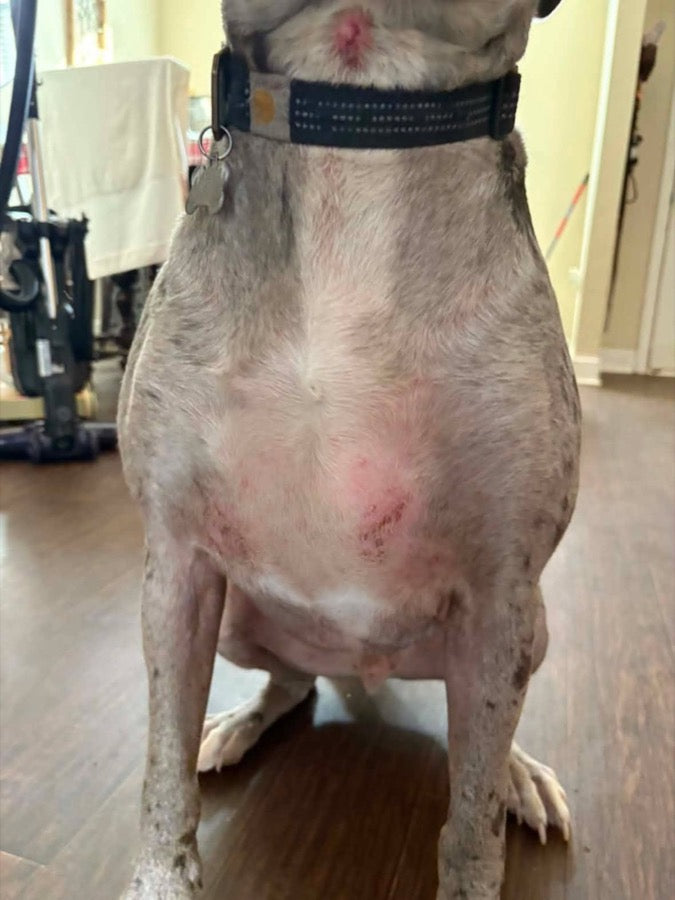
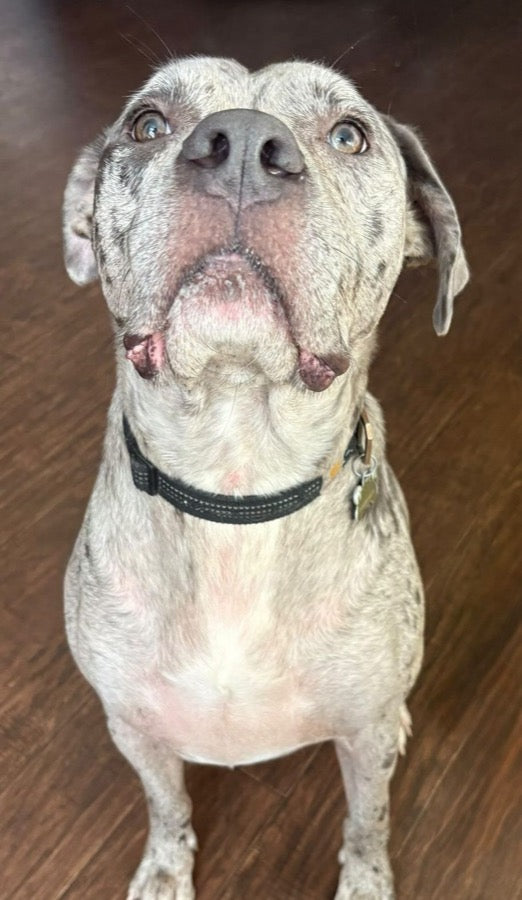
Itchy skin
“I was doubtful it would work.”
After more than a year of trying to calm Ranger’s itchy skin, MacKenzie almost didn’t try one more thing. Two bags of VitaDog Daily later, his coat was growing back and he was finally comfortable.
MacKenzie · Ranger’s owner
Try VitaDogIndividual results. VitaDog supports normal skin and coat health and is not a substitute for veterinary care.
How to Treat a Dog Ear Infection Without a Vet (Safely)
Vet bills for ear infections have climbed fast. A typical consult + cytology + medication runs $150 to $400, and most owners have been through the cycle more than once. It's reasonable to want to handle mild cases at home.
But "ear infection" is a catch-all for several different problems. Some are genuinely manageable at home. Some will rupture the eardrum, spread to the middle ear, or cause permanent hearing loss if you wait. The difference matters, and most owners don't have a clean way to tell them apart.
This guide gives you that decision tree. When at-home treatment is safe to try, what actually works, and the exact symptoms that mean stop, put the dog in the car, go to the vet.
Quick Decision Tree: Home Treatment or Vet?
Try home treatment if ALL of these apply:
Mild to moderate itching or head shaking
Slight redness inside the ear flap
Light brown or yellow waxy discharge
Mild odor
Dog is otherwise normal (eating, energy, behavior)
First-time episode, or similar to previous mild episodes that resolved
No history of ruptured eardrums
Your dog will let you handle the ear without excessive pain
Go to the vet if ANY of these apply:
The bottom half of this list isn't flexibility territory. Those symptoms can indicate middle or inner ear involvement, ruptured tympanic membrane, or severe bacterial infection. Home remedies will waste time you don't have.
What Causes Dog Ear Infections
Three main types, each with different root causes.
1. Yeast (Malassezia) ear infections
The most common type in dogs. Classic signs:
Dark brown to black waxy discharge
Strong musty or corn-chip smell
Itching, head shaking
Greasy appearance inside the ear
Often linked to food sensitivities, moisture trapped in the canal, or wider gut microbiome issues. Brewers yeast in food, treats, or supplements is a common but under-recognized contributor: yeast-prone dogs cross-react to dietary yeast through immune and gut-skin axis pathways. If your dog has recurrent yeast ear infections, audit the ingredient lists on everything they consume.
2. Bacterial ear infections
Usually present with: yellow, green, or bloody discharge; pus; sharper, foul smell; more pain than yeast infections typically cause; rapid worsening over 2 to 3 days.
Bacterial infections usually need prescription antibiotics. They don't respond as reliably to home remedies and can progress into the middle ear.
3. Ear mites
Common in puppies and outdoor dogs. Signs: dark, coffee-ground-like debris; intense scratching (more than the infection itself explains); multiple dogs in the household affected.
Ear mites need a specific miticide (over-the-counter or prescription). Home remedies don't clear them.
Honest rule of thumb: if the discharge is brown and waxy with a musty smell, it's probably yeast and home treatment is reasonable. If it's yellow/green/bloody with pus, it's bacterial and needs a vet. If it's dark coffee grounds, it's mites and needs miticide.
Clinical reference: VCA Hospitals on otitis externa in dogs.
Step 1: Clean the ear properly
Use an over-the-counter canine ear cleaner. Look for ingredients like:
Avoid hydrogen peroxide (damages healthy tissue) and rubbing alcohol (burns inflamed skin).
Technique:
Fill the canal with cleaner (enough to see it at the opening)
Massage the base of the ear for 30 to 60 seconds. You should hear a squishing sound.
Let your dog shake their head
Wipe the visible part of the ear with a cotton ball or cotton pad
Frequency: once daily for 5 to 7 days during active infection, then 1 to 2x weekly for maintenance.
Step 2: Address moisture
Moisture in the ear canal is the single biggest driver of yeast overgrowth. After bathing, swimming, or rainy walks:
Consider a pet-formulated ear drying solution after water exposure
Skip swimming during active treatment
Breeds with hairy or floppy ears (Cockers, Basset Hounds, Poodles, Golden Retrievers) need this preventive routine lifelong.
Step 3: Antifungal support (for confirmed yeast only)
Several over-the-counter options work against mild Malassezia:
Zymox: contains enzymes that disrupt yeast and bacteria. No antibiotic, safe for use on ruptured eardrums, widely available. Multiple vet-review studies support efficacy. Use daily for 7 to 14 days.
Mometamax alternatives (OTC): not available without prescription, but ear products containing miconazole (at 1 to 2%) are effective against Malassezia.
Coconut oil drops: a few drops of warm virgin coconut oil massaged into the canal. Lauric acid has antifungal activity. Gentler than medicated products but slower-acting.
Apple cider vinegar diluted: only for mild cases with intact ear skin. 1 part ACV to 2 parts water, few drops, only if you've confirmed no broken skin inside. Stop immediately if your dog shows pain.
Clinical reference: VCA Hospitals on yeast dermatitis (Malassezia).
Step 4: Address the root cause
Surface treatment stops the current infection. Root cause work stops the next one:
Brewers yeast audit: check kibble, treats, supplements, and probiotic chews for brewers yeast. Many chew-format probiotics (FortiFlora, PetLab) contain brewers yeast that can drive ear yeast recurrence in sensitive dogs.
Omega-3 from best fish oil for skin barrier function
See our Dog Yeast Infection Home Remedies guide for broader context on the gut-skin-ear microbiome connection.
What to Avoid
Never put these in your dog's ear:
Hydrogen peroxide (damages healthy tissue, delays healing)
Rubbing alcohol (severe burning on inflamed skin)
Undiluted essential oils (highly irritating, some are toxic)
Undiluted apple cider vinegar (same)
Q-tips pushed deep into the canal
Human ear infection drops (wrong pH, wrong concentrations)
Garlic oil (despite internet claims, no evidence + risk of toxicity)
Breast milk, urine, honey (yes these all appear in search results - don't)
Timeline: What to Expect
Day 1 to 2: Itching should decrease noticeably. Ear should smell less intense.
Day 3 to 5: Discharge should reduce. Redness inside ear flap should fade.
Day 5 to 7: Should look mostly normal. Residual sensitivity OK.
Day 7 to 10: Maintenance mode. Weekly cleaning, no further discharge.
If by day 5 you're seeing no improvement or worsening: stop home treatment, go to the vet. Prolonged yeast infections sometimes develop secondary bacterial overgrowth that needs antibiotics.
When to Definitely Go to the Vet
Summarizing the red flags:
For recurrent cases your vet will typically run ear cytology (looking at the discharge under a microscope) to confirm yeast vs bacteria, and may recommend blood work if underlying thyroid or immune issues are suspected.
Clinical reference: VCA Hospitals on inner ear infection (otitis interna).
Prevention Protocol (For Dogs Prone to Ear Problems)
Ear yeast usually signals a gut-skin imbalance. Our 8-strain probiotic, omega-3 from fish oil, and turmeric address the root, all in our daily supplement. Related: yeast infection home remedies and why fishy smell often points to ear yeast.
If your dog has had ear infections before, assume they'll have them again without a prevention routine:
Weekly: ear cleaning with a gentle OTC cleaner; check ear canal visually for early signs of redness or discharge.
After water exposure: dry ears thoroughly with a towel; use a drying solution in predisposed breeds.
Daily: multi-strain probiotic (yeast-free); omega-3 supplementation.
Periodic: rotate protein sources in the diet; reassess for food sensitivities if infections persist; audit for brewers yeast in food and supplements.
VitaDog's daily formula is built around exactly this prevention profile: an 8-strain probiotic at 1 billion CFU with inulin prebiotic (no brewers yeast), anchovy oil + flaxseed + evening primrose oil + MCT for omega-3 and GLA support, plus zinc, biotin, vitamin E for skin barrier. The absence of brewers yeast is meaningful for dogs with recurrent ear yeast issues. See the full VitaDog formulation.
What is the fastest home remedy for a dog ear infection?
A proper cleaning with an over-the-counter ear cleaner containing salicylic acid or chlorhexidine, followed by an OTC antifungal product like Zymox if yeast is suspected. Expect visible improvement within 2 to 3 days for mild yeast ear infections.
Can brewers yeast cause ear infections in dogs?
Indirectly, yes. Brewers yeast (Saccharomyces cerevisiae) isn't the same species as the Malassezia yeast that overgrows in dog ears, but yeast-prone dogs frequently cross-react to dietary yeast through immune and gut-skin axis pathways. Many owners managing recurrent ear yeast see improvement after removing brewers yeast from the dog's food, treats, and supplements.
Can I use Monistat on my dog's ear?
Miconazole (the active in Monistat) is sometimes used for canine ear yeast, but human Monistat includes other ingredients that may irritate dog ears. Use a pet-formulated miconazole ear product instead.
How do I know if my dog's ear infection is bacterial or fungal?
Yeast: brown to black waxy discharge, musty smell, gradual onset. Bacterial: yellow/green/bloody discharge, sharper foul odor, faster onset, more pain. Mixed infections happen. If you're not sure or it's not improving with home antifungal treatment, see your vet for cytology.
Can coconut oil cure a dog ear infection?
Coconut oil can help mild yeast-driven ear issues because of its lauric acid content, but "cure" is too strong. Use it as a gentle adjunct, not a sole treatment. For confirmed yeast overgrowth, a medicated product (Zymox or miconazole) works meaningfully faster.
Should I clean my dog's ear before or after using home remedies?
Clean first, treat second. The treatment can't reach the canal surface if there's a wax plug in the way. Clean, let the ear dry for 10 to 15 minutes, then apply any antifungal drops or oils.
Why does my dog keep getting ear infections?
The four most common reasons: food sensitivity driving chronic inflammation, brewers yeast in food or supplements driving cross-reactive yeast issues, moisture trapped in the canal (especially in floppy-eared breeds), and gut microbiome disruption often linked to antibiotic history. Chronic cases usually need a multi-angle workup, not just another round of ear drops.
Educational content only. This article is not veterinary advice. Always consult your veterinarian before starting, changing, or stopping any supplement, especially if your dog has a medical condition, is pregnant, or is on medication.