Why Does My Dog Smell Like Fish? 5 Real Causes & Fixes
Dog smells like fish? It's almost always anal glands. Full guide to why it happens, what to do at home, and when it needs the vet.

Short answer. When a dog suddenly smells like low tide, rotting fish, or raw seafood, the source is almost always the anal glands : two small scent sacs on either side of the anus that normally empty during defecation but can fill up, leak or get infected. The fishy smell does not come from food. The other causes you should rule out are dental disease, yeast ear infections, urinary tract infections (more common in female dogs) and skin yeast overgrowth.
If your dog smells fishy and you are not imagining it, this guide covers the five real causes, how to identify which one you are dealing with, what to do at home, and when it is time for the vet. The female-specific differences, breed patterns and the metallic “penny” smell that is often confused with fishy are all covered.
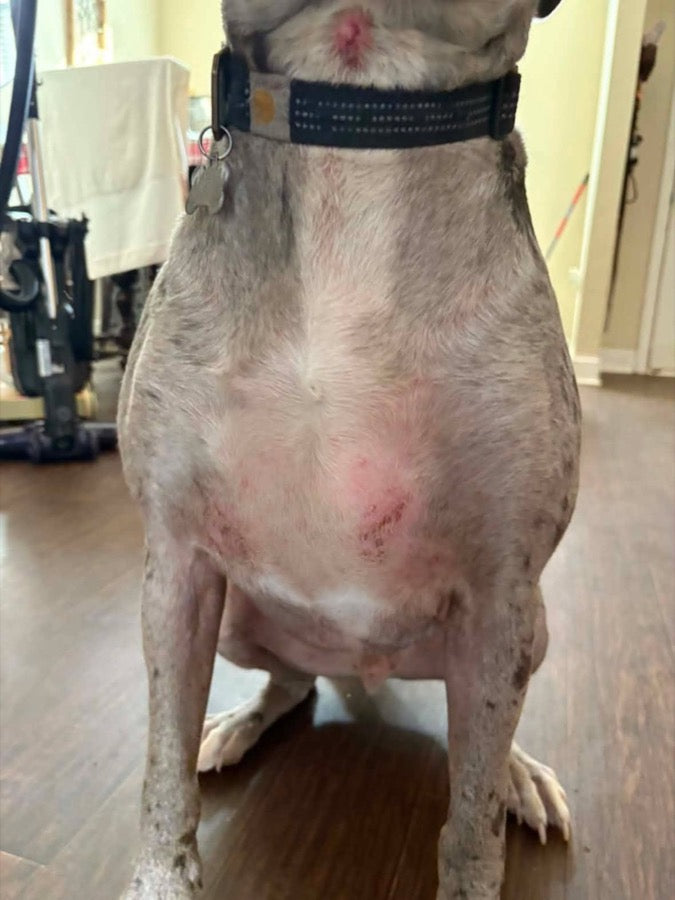
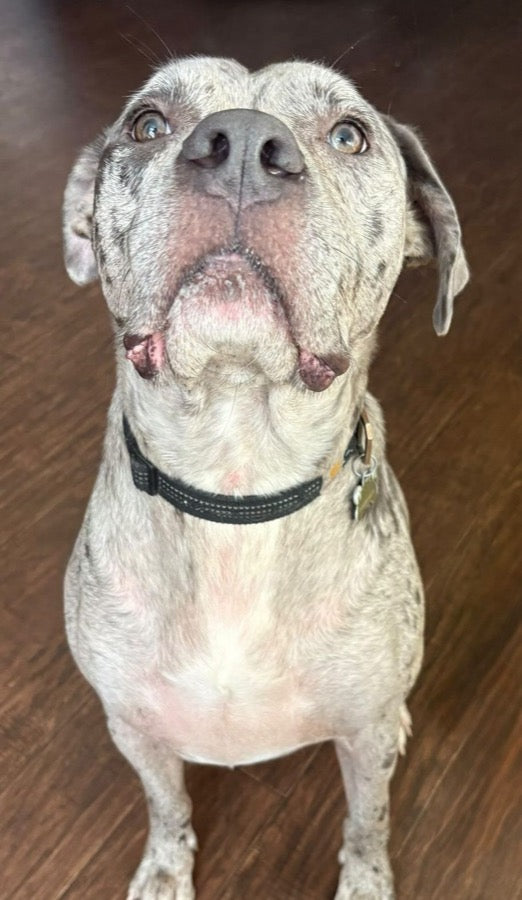
Itchy skin
“I was doubtful it would work.”
After more than a year of trying to calm Ranger’s itchy skin, MacKenzie almost didn’t try one more thing. Two bags of VitaDog Daily later, his coat was growing back and he was finally comfortable.
MacKenzie · Ranger’s owner
Try VitaDogIndividual results. VitaDog supports normal skin and coat health and is not a substitute for veterinary care.
How to tell where the smell is coming from
Before doing anything else, locate the smell. Get close to your dog (yes, really) and check :
| Where the smell is strongest | Likely cause | Home care or vet ? |
|---|---|---|
| The rear end / under the tail | Anal glands | Home care first (fiber + pumpkin), then groomer or vet |
| The mouth | Dental disease | Home care first, pro cleaning if needed |
| One or both ears | Yeast ear infection | Home care reasonable for mild cases |
| The genital or groin area | Urinary tract infection or urinary stones | Vet visit, especially in female dogs |
| Everywhere on the body | Skin yeast overgrowth (Malassezia) | Home care for mild, vet for severe or recurrent |
| Metallic or like pennies | Different problem entirely : usually blood, sometimes liver | Vet visit |
The vast majority of “fishy dog” cases trace to the rear end. So start there.
Cause #1 : Anal gland issues (95% of cases)
Dogs have two small scent glands on either side of the anus, just inside. They secrete a fluid that normally discharges in small amounts during defecation, used for territorial marking and individual identification. When the glands work normally, you will not smell them. When they do not, the smell is unmistakable : sharp, fishy, rotten-seafood, strong enough to linger in a room.
Signs of anal gland problems
- Fishy smell coming from the rear end
- Dog scooting their butt on the floor or carpet
- Excessive licking or chewing at the base of the tail
- Chasing the tail
- Sitting down abruptly or reluctantly
- Greasy or wet residue on bedding or furniture where they sit
- Visible swelling or redness around the anus in severe cases
The glands can fill up, get impacted, become infected or rupture. Each presents slightly differently but the fishy smell is the through-line.
Female vs male differences
Anal gland issues affect both sexes, but two patterns are slightly more common in female dogs : - The fishy smell can be confused with a urinary tract infection, which is more common in females (covered below). If you smell it more strongly from the genital area than from the anus, suspect UTI first. - Spayed females have slightly altered hormone levels that can affect skin and gland secretion patterns, though this effect is small in practice.
In intact males, occasional spontaneous gland expression during excitement, fear or sudden stress is normal and passes within minutes. Persistent fishy smell from a male dog is the issue.
When to call the vet
Go to the vet immediately if you see : - Blood or pus near the anus - Visible swelling or abscess - Your dog is in obvious pain when sitting or defecating - Fever or lethargy - A ruptured gland (visible hole, often with bloody discharge)
For persistent but non-acute scooting and smell, a groomer or vet can manually express the glands. Most groomers offer this for $15 to $25. Some regions require a vet visit instead.
Long-term prevention
- High-fiber diet or a dedicated fiber supplement
- Probiotic support for consistent stool quality
- Weight management in overweight dogs
- Regular expression schedule in chronically affected dogs (every 4 to 8 weeks, often)
If your dog’s gland issues recur more than 2 to 3 times a year, the long-term fix is not more expressions, it is fixing stool consistency and body condition.
Clinical reference: VCA Hospitals on anal sac disease.
Cause #2 : Dental disease (when the smell is from the mouth)
If the fishy smell is specifically coming from the mouth, you are likely looking at dental disease.
What it smells like
- Fishy, sometimes sharp
- Rotten meat
- Mixed with sulfury notes in advanced cases
Signs
- Visible tartar on teeth (yellow-brown deposits)
- Red, inflamed gums (gingivitis)
- Brownish teeth
- Receding gum line
- Loose teeth in severe cases
- Difficulty eating hard food
- Dropping food while eating
- Pawing at the mouth
Bacterial buildup from plaque and tartar produces volatile sulfur compounds plus other smells, including fishy notes from certain bacteria species.
What to do
At home : - Daily tooth brushing with canine toothpaste (never human toothpaste : xylitol is toxic to dogs) - Dental chews accepted by the Veterinary Oral Health Council (VOHC seal) - Water additives designed for dental health - Raw recreational bones for appropriate breeds (not small dogs, not dogs that gulp, size-matched)
Vet visit if : - Visible tartar is not improving - Red or bleeding gums - Your dog is 3+ years and has never had a dental cleaning - Breath remains foul after home care
Professional dental cleanings under anesthesia are the only way to remove subgingival tartar. Most dogs need one every 1 to 3 years. For more detail see Dog Bad Breath Home Remedies.
Clinical reference: VCA Hospitals on dental disease.
Cause #3 : Urinary tract infection (more common in females)
Less common than anal glands, but worth checking if the smell is specifically from the genital area or from the urine.
Female dogs are anatomically more prone to UTIs : the shorter urethra and proximity to the vulva makes bacterial ascent easier. Older intact females and spayed females with hormonal incontinence are highest-risk.
Signs
- Strong fishy or ammonia smell from the genital area, or from a freshly urinated puddle
- Cloudy urine
- Urinating more frequently than usual
- Straining or discomfort when urinating
- Blood in urine (pink, red or rusty tinge)
- Licking excessively at the genital area
- House accidents in an otherwise reliable dog
What it smells like
The “fishy urine” smell in dogs typically comes from bacterial breakdown of urine compounds, similar to bacterial vaginosis in humans. It is sharper and more chemical than the anal-gland smell, and it is concentrated in the urine itself rather than diffuse around the rear end.
What to do
This is a vet visit, not a home remedy situation. Untreated UTIs can progress to bladder stones or kidney infection. The vet will run a urinalysis and culture, then prescribe targeted antibiotics. Most uncomplicated UTIs clear in 7 to 14 days with treatment.
In recurrent cases (3+ UTIs in a year), expect the vet to rule out bladder stones, anatomical issues or underlying conditions (Cushing’s, diabetes).
Clinical reference: VCA Hospitals on canine UTIs.
Cause #4 : Ear yeast (when the smell is from the ears)
Yeast ear infections (most often Malassezia pachydermatis) can produce a sharp, fishy or corn-chip smell that comes specifically from the ear canal.
Signs
- Fishy or musty smell from one or both ears
- Dark brown to black waxy discharge
- Head shaking
- Scratching at ears
- Head tilt in severe cases
- Redness or thickening of the ear flap
Treatable at home for mild cases. See our Dog Ear Infection Home Care guide for the full protocol.
Clinical reference: VCA Hospitals on otitis externa.
Cause #5 : Skin yeast overgrowth (when the smell is everywhere)
Widespread skin yeast (also Malassezia) produces a characteristic fishy or musty body odor across the whole dog, not localized to one area.
Signs
- General fishy or musty body odor (the bath does not fix it for more than a few hours)
- Greasy coat
- Itching and scratching
- Red, inflamed skin, often in the armpits, belly, between toes, around the muzzle
- Thickened, darkened skin in chronic cases (“elephant skin”)
- Often worse in humid weather
This one is often a sign of an underlying allergy or immune issue. See our Dog Yeast Infection Home Remedies guide for the full protocol.
Clinical reference: VCA Hospitals on yeast dermatitis.
What about a metallic or “penny” smell ?
The search “why does my dog smell like pennies” comes up a lot but it is actually a different problem than fishy smell. Metallic, copper or penny-like smell from a dog is most often blood, either from a small wound, the mouth (oral bleeding), or in rare cases from the gut. If the smell is metallic and not fishy :
- Check the dog over for any wound, cut, broken nail, or bleeding gum
- Check the mouth for tooth pain or oral lesions
- If you see no source and the smell persists, see your vet : in advanced cases, metallic body odor can be associated with kidney issues or hepatic problems
This is a smaller club of causes than the fishy-smell list, but worth flagging because the home approach is different.
How to get rid of fishy smell from your dog
Step-by-step, in order of likelihood :
A general purpose bath will mask the smell temporarily but does not solve any of the five causes. If your dog smells fishy 24 to 48 hours after a bath, you are looking at one of the causes above, not a hygiene issue.
What is NOT the cause (despite common belief)
Fish in the food. Fish-based kibble and best fish oil supplements do not make dogs smell fishy externally. The smell people associate with “fishy dog” is almost always one of the five causes above.
Just needing a bath. Bathing won’t fix anal gland, dental or yeast problems. In some cases it can make skin yeast worse by stripping protective oils.
Just “old dog smell”. Older dogs do accumulate odor from reduced grooming and more skin issues, but “fishy” specifically is almost always one of the identifiable causes, not an inevitability of age.
Normal scent marking. Anal gland secretion during a moment of stress or sudden excitement is normal and passes within minutes. Persistent fishy smell is not.
Preventive strategy
For dogs prone to recurring fishy smell, especially anal-gland cases :
- Fiber-supplemented diet or daily pumpkin
- A multi-strain probiotic for consistent stool quality
- Weight management : most impactful intervention in small-breed gland-prone dogs
- Dental care routine from puppyhood
- Ear cleaning routine if breed-prone to yeast (floppy-eared breeds especially)
- Periodic gland expression schedule if needed (every 4 to 8 weeks for chronic cases)
VitaDog’s daily best all-in-one supplement delivers the 8-strain probiotic at 1 billion CFU with inulin and pumpkin prebiotics in the powder, plus a separate fresh liquid oil dropper (anchovy fish oil, flaxseed, evening primrose, MCT from coconut) for the omega-3 component. The two-part format contributes to consistent stool quality and healthier skin in dogs with recurring gland or yeast issues. See the full formulation.
Why does my dog randomly smell like fish?
The most common answer : anal gland expression, either spontaneous (often during stress or sudden excitement) or from chronic gland issues. Check if the smell is coming from the rear end area and whether the dog is scooting or licking at the base of the tail. Random fishy episodes that pass within 10 to 30 minutes are usually one-off stress expressions. Persistent or daily fishy smell needs investigation.
How do I get rid of my dog’s fishy smell ?
First, identify the source. Anal glands : add fiber, consider groomer or vet expression. Dental : brushing and VOHC chews, professional cleaning if advanced. Ear yeast : clean and treat per ear infection protocol. Skin yeast : medicated shampoo and address root cause. Bathing alone does not fix any of these.
Why does my girl dog smell like fish more than my male dog ?
Female dogs are slightly more prone to two specific causes of fishy smell : urinary tract infections (anatomically more likely due to shorter urethra) and yeast overgrowth in skin folds, especially in spayed females with hormonal changes affecting skin pH. Anal gland issues affect both sexes equally. If the smell is concentrated near the genitals rather than the anus, suspect UTI and book a vet visit.
Why does my dog’s butt specifically smell like fish ?
Almost always anal glands. The glands sit just inside the anus and release a fluid that normally empties during defecation. When they fill up or get infected, the secretion is the sharp, fishy smell you are picking up. Add fiber, watch for scooting, and book an expression if it persists past a few days.
Why does my dog’s urine smell like fish ?
Urinary tract infection is the most likely cause. Bacterial breakdown of urine compounds creates a sharp, ammonia-like or fishy smell. Female dogs are more prone. Other signs : cloudy urine, increased frequency, straining, blood. This is a vet case, not a home remedy.
Why does my Golden Retriever smell like fish ?
Goldens are not classic anal-gland breeds but they can absolutely develop chronic gland issues, especially if their stool quality has shifted. Goldens are also prone to ear yeast (floppy ears trap moisture) and to skin yeast in the armpits and groin folds. Locate the smell first : ear, body, or rear, then follow the relevant home or vet plan.
Can I express my dog’s anal glands at home ?
Technically yes, practically not recommended for most owners. Improper expression can cause injury or further impaction. Groomers charge $15 to $25 per expression; vets similar. Worth the outsource unless you have been specifically shown how by your vet.
Does food cause dogs to smell like fish ?
No, fish in the diet does not cause the smell. Soft stool from dietary triggers CAN cause anal gland problems (because soft stool does not express glands naturally). That is an indirect dietary link, not fish-in-food.
Why does my dog smell like pennies, not fish ?
A metallic or penny-like smell is usually blood, not the same problem as fishy smell. Check the dog for any wound, broken nail, oral bleeding, or recent injury. If you find no source and the smell persists, see your vet : metallic body odor in dogs can in rare cases be associated with kidney or liver issues.
Is fishy smell an emergency ?
Usually no. Anal gland issues, dental disease and mild ear yeast are all manageable. It becomes urgent if you see visible swelling or abscess near the anus, blood, fever, lethargy, extreme pain, or rapid worsening. Urinary fishy smell with straining to urinate is a same-day vet visit.
Support the gut and skin that drive the smell
If the fishy smell comes from skin or ears, the gut-skin axis is usually involved. Our 8-strain probiotic blend, omega-3 from fish oil, and turmeric for inflammation stack together in our daily supplement. For ear-specific cases, see our home care for ear infections guide.
Most chronic fishy-smell cases trace back to two underlying patterns : inconsistent stool quality (which prevents natural anal-gland expression) and skin or coat health that makes yeast and gland issues recurring. Both are easier to keep under control with a daily supplement that covers gut, skin and immune support in the same routine rather than piecing it together from multiple products.
VitaDog delivers an 8-strain probiotic at 1 billion CFU with inulin and pumpkin prebiotics in the daily powder, plus a separate fresh liquid oil dropper (anchovy fish oil, flaxseed, evening primrose, MCT from coconut) for the omega-3 that backs skin barrier and inflammatory balance. Two components, mixed into one meal a day.
See the full VitaDog formulation and dosing by weight.
If a probiotic or fiber supplement is already working for your dog, keep going. VitaDog is the right fit for owners who want one product covering gut, skin, joints and immune system in the same daily routine.
Related reading
Educational content only. This article is not veterinary advice. Always consult your veterinarian before starting, changing, or stopping any supplement, especially if your dog has a medical condition, is pregnant, or is on medication.