Dog Bad Breath Home Remedies: 7 Real Fixes That Work (2026)
Dog bad breath home remedies: 6 evidence-backed steps, dental + GI + dietary causes, and when to see a vet. Plus VitaDog's daily routine for fresher breath.

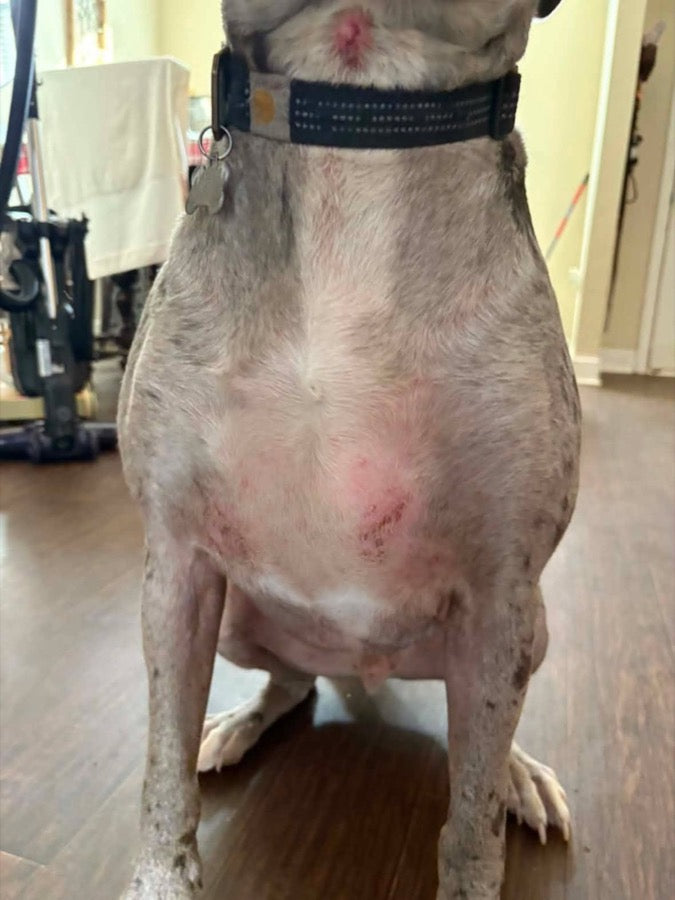
Itchy skin
“I was doubtful it would work.”
After more than a year of trying to calm Ranger’s itchy skin, MacKenzie almost didn’t try one more thing. Two bags of VitaDog Daily later, his coat was growing back and he was finally comfortable.
MacKenzie · Ranger’s owner
Try VitaDogIndividual results. VitaDog supports normal skin and coat health and is not a substitute for veterinary care.
Dog Bad Breath Home Remedies That Actually Work
"Dog breath" gets treated like a punchline. It shouldn't. Persistent bad breath in dogs isn't normal: it's almost always a symptom of something specific, usually fixable, and occasionally serious.
This guide separates the home remedies that genuinely work from the ones that just mask the smell, plus the warning signs that mean stop trying parsley water and book a vet appointment.
What Causes Bad Breath in Dogs
Five real causes, in roughly descending order of frequency:
1. Dental disease (by far the most common)
Plaque builds up on teeth within 24 to 48 hours of brushing. If it isn't removed, it hardens into tartar within days. Bacteria in plaque and tartar produce volatile sulfur compounds plus other smells. Around 80% of dogs over age 3 have some degree of periodontal disease.
Signs:
Visible yellow or brown tartar on teeth
Red, inflamed gums (gingivitis)
Receding gum line
Loose teeth
Difficulty eating hard food
Pawing at the mouth
Bleeding when chewing toys
2. Gut microbiome issues
The mouth and gut microbiomes are connected. Dysbiosis in the gut frequently shows up as breath issues, especially when stool quality is also off. A healthy gut microbiome reduces the bacterial load that contributes to oral odor.
3. Diet
Fish-heavy diets, garlic, onions (avoid these anyway), or simply poor-quality kibble can produce odor. Diets that drive soft stool also tend to drive worse breath.
4. Foreign body or stuck food
Dogs that chew on sticks, bones, or fabric sometimes get fragments lodged between teeth or against the gum line. The trapped material rots quickly. Often presents with sudden-onset bad breath.
5. Systemic disease
Less common but important to know:
If breath suddenly changes character (new smell type, not just stronger), and especially if combined with appetite loss, weight loss, increased thirst, or lethargy, that's a vet visit, not a home remedy situation.
Tier 1: Genuinely effective
Daily tooth brushing
The single most effective intervention, full stop. Brushing physically removes plaque before it hardens into tartar.
Method:
Use canine toothpaste (never human paste - many contain xylitol, which is toxic to dogs)
Soft-bristle dog toothbrush, finger brush, or even a damp washcloth
Focus on the outside surfaces of the teeth (where most tartar forms)
30 to 60 seconds per side is meaningful
Daily ideal; 3 to 4 times per week still helps
Most owners give up too early. Dogs adapt to brushing within 2 to 3 weeks if you start gradually.
VOHC-accepted dental chews
The Veterinary Oral Health Council (VOHC) certifies dental products that meet specific plaque/tartar reduction standards. Look for the VOHC Accepted seal.
Common VOHC-accepted products:
Greenies
Oravet Dental Hygiene Chews
Tartar Shield Soft Rawhide
Whimzees
Note: many "dental" chews on the market do not have VOHC certification and have not been shown to do anything. The seal matters.
Raw recreational bones (size and breed-appropriate)
Raw beef knuckle bones, marrow bones, or large recreational bones provide mechanical cleaning. Caveats:
Size to dog: must be too big to swallow, too hard to crack
Skip for dogs that gulp or have aggressive chew styles
Skip for small breeds prone to dental fractures
Supervise
Not all vets agree on bones. Discuss with yours.
Water additives
Several canine water additives reduce plaque-forming bacteria. Look for:
Chlorhexidine-based: most evidence
Zinc-based: moderate evidence
VOHC-accepted variants
Not a replacement for brushing, but a useful adjunct. Some dogs reject treated water; introduce gradually.
Tier 2: Modest evidence
Coconut oil
A small amount rubbed on teeth and gums has mild antibacterial activity. Doesn't replace mechanical cleaning. Modest effect.
Plain pumpkin and probiotics for gut-origin bad breath
If breath issues correlate with stool quality (soft stool, gas), a multi-strain probiotic plus pumpkin can reduce the gut-origin component of breath over 4 to 8 weeks. Effect is real but slow. Pick a probiotic without brewers yeast for long-term use.
Carrots and crunchy vegetables
Raw carrot sticks and other crunchy vegetables provide mild mechanical cleaning. Snacks-only contribution, not a primary strategy.
Parsley sprinkled on food
Genuine antibacterial activity, fresh breath effect, generally safe at small amounts. A small handful chopped per day is fine for most dogs. Skip if your dog has kidney issues or is pregnant (high doses contraindicated).
Tier 3: Don't bother
Mouthwash for humans. Inappropriate ingredients, often containing alcohol or xylitol. Don't.
Apple cider vinegar in water. Some recommend; evidence for breath specifically is thin. May help indirectly through gut effects.
Mints, gum, or candy. Sugar feeds the bacteria, xylitol is lethal. Skip.
Charcoal supplements. No evidence specific to dog breath; can interfere with nutrient and medication absorption.
When to Skip Home Remedies and See a Vet
Professional dental cleanings under anesthesia are the only way to remove subgingival tartar (under the gum line). Most adult dogs need one every 1 to 3 years depending on breed, diet, and home care.
What Brushing Frequency Actually Looks Like
Realistic targets, ranked:
Combine brushing with VOHC chews and water additives for compounding effect.
The Diet Connection
Diet matters but is rarely the sole cause of bad breath. What helps:
What doesn't help:
"Dental kibble" without VOHC certification (most don't have meaningful evidence)
Adding "natural breath fresheners" without addressing root cause
Switching foods constantly looking for the one that fixes breath
The Multi-Pathway Approach to Healthy Breath
Modern oral and gut hygiene for dogs combines:
Adequate omega-3 for general inflammation control
VitaDog's daily formula contributes to several of these levers in one product: 8-strain probiotic at 1 billion CFU (with inulin and pumpkin prebiotic, no brewers yeast) for gut-origin breath support, zinc proteinate for oral tissue, vitamin C and quercetin for dogs for antioxidant gum support, plus broad multivitamin coverage.
For dogs whose bad breath is gut-driven (common with sensitive stomachs or post-antibiotic), the probiotic component does meaningful work. For tartar-driven bad breath, brushing and VOHC chews remain primary, with the multi-active formula as supportive backup. See the full formulation.
What home remedy works fastest for dog bad breath?
For tartar-related breath, daily brushing produces visible improvement within 2 to 3 weeks. For mild gut-origin breath, a multi-strain probiotic helps within 2 to 4 weeks. There's no genuine "instant" remedy; mints and water additives mask without fixing the cause.
Can I use baking soda to brush my dog's teeth?
Possible at small amounts but not recommended. Baking soda has a high sodium content if swallowed regularly, alkaline pH that can disrupt enamel, and most dogs hate the taste. Use canine toothpaste instead.
Is dog bad breath always dental disease?
About 80% of cases. The remaining 20% includes gut microbiome issues, diet, foreign objects, and systemic disease. If your dog has clean teeth and still has bad breath, look beyond the mouth.
Are dental chews enough on their own?
For dogs you can't brush, VOHC-accepted chews are meaningfully better than nothing but don't match the effect of daily brushing. Ideal protocol: chews PLUS brushing 3 to 4 times per week minimum.
What human foods help dog breath?
Fresh parsley, raw carrots, plain pumpkin, plain unsweetened yogurt in small amounts. Avoid mints (often contain xylitol), citrus (acidic, irritates), or anything sugary.
Should I worry about my dog's bad breath?
Generally bad breath is more of a quality-of-life issue than an emergency. Worry sooner rather than later if breath is suddenly different in character (new smell type), if there's appetite loss or weight loss, or if you see visible swelling, bleeding, or loose teeth. Sweet/fruity breath is a same-day vet call (possible diabetic ketoacidosis).
How often does my dog need a professional dental cleaning?
Most adult dogs need professional cleaning every 1 to 3 years. Small breeds, brachycephalic breeds (Pugs, Bulldogs), and dogs with crowded teeth often need annual cleanings. Larger breeds with good home care can sometimes go 2 to 3 years.
Educational content only. This article is not veterinary advice. Always consult your veterinarian before starting, changing, or stopping any supplement, especially if your dog has a medical condition, is pregnant, or is on medication.