
Working Dog Supplements Complete Guide

2-minute fit check
What does your dog actually need?


Working dogs operate at a different level. Police K9s pulling 12-hour shifts. IGP and Schutzhund dogs in daily protection training. Military working dogs deploying overseas. Search and rescue dogs covering miles of difficult terrain. Hunting dogs on multi-day field trials. These dogs aren't pets with extra exercise: they're canine athletes whose careers depend on joint integrity, recovery capacity, and sustained physical health across years of high-volume work.
This guide is the complete reference for working dog supplementation. Every category that matters, why it matters specifically for high-drive sport and operational dogs, and what to look for when selecting daily nutritional support that protects the working career.
 A VitaDog customer story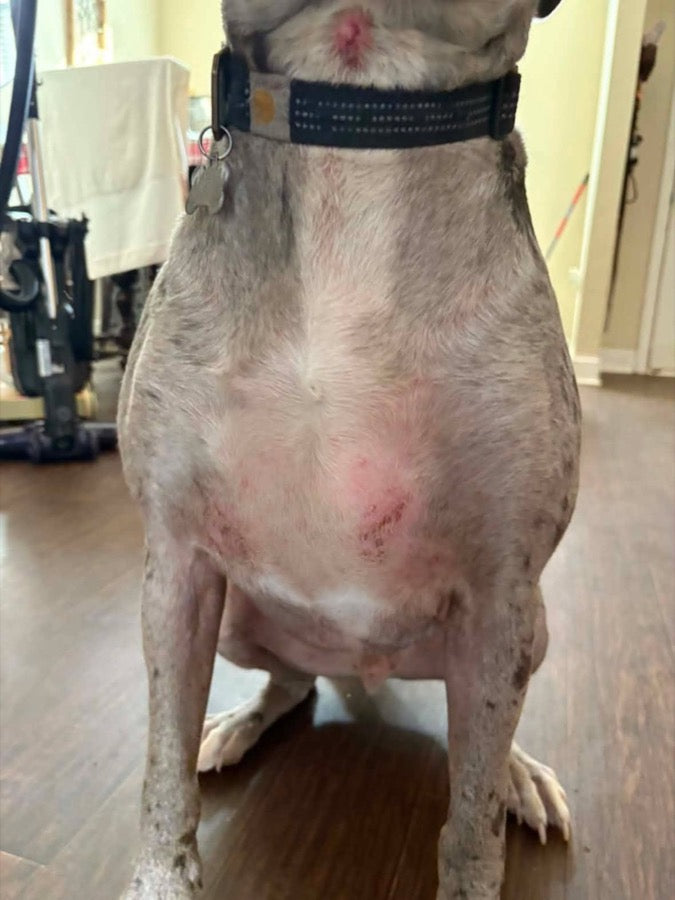

Itchy skin
“I was doubtful it would work.”
After more than a year of trying to calm Ranger’s itchy skin, MacKenzie almost didn’t try one more thing. Two bags of VitaDog Daily later, his coat was growing back and he was finally comfortable.
MacKenzie · Ranger’s owner
Try VitaDogIndividual results. VitaDog supports normal skin and coat health and is not a substitute for veterinary care.
What Makes Working Dog Supplementation Different
The working dog body is under load that pet dogs simply don't experience. The supplementation profile that supports a backyard pet meaningfully under-delivers for a Belgian Malinois doing daily IGP training or a Dutch Shepherd working patrol shifts.
The structural differences:
Joint stress is multiplied. A dog doing daily bite work, jumping over A-frames, pivoting at speed, or repeatedly catching decoys is putting forces through the hips, elbows, shoulders, and stifles that exceed normal exercise loads by orders of magnitude. The cartilage takes daily micro-damage that compounds without adequate substrate replacement.
Inflammatory load runs chronic. High-volume training generates persistent low-grade inflammation throughout the body. Without anti-inflammatory support, this becomes the foundation for early-onset osteoarthritis, soft tissue injury, and the career-ending breakdowns that end working dogs prematurely.
Gut microbiome takes constant hits. Travel stress, kennel housing, frequent diet variations, deworming, occasional antibiotics, and the high-protein/high-fat performance diets working dogs eat all disrupt the microbiome. High-drive dogs are notoriously prone to sensitive stomachs, soft stool, and chronic GI issues that affect performance and recovery.
Skin and coat are exposed to more. Bite suits, kennel runs, varied environments, frequent baths after dirty training, protective gear, harsh weather. The skin barrier needs more support than a couch dog requires.
Nutritional demand exceeds typical commercial diet design. Even quality kibbles formulated for active dogs underdeliver on omega-3, miss probiotic support entirely (extrusion kills it), and provide regulatory-minimum vitamin levels rather than working-dog-optimal levels.
The Six Pillars of Working Dog Supplementation
A complete working dog supplement protocol covers six categories:
1. Joint Protection
The single highest-leverage supplement category for working dogs. Joints are the most common career-ender in sport and operational K9. Daily joint support starting before joint issues appear (ideally from age 1 to 2 in large breeds, after growth plates close) protects the working career.
What works:
Glucosamine HCl as cartilage substrate, 20mg per pound body weight daily
MSM as sulfur source and anti-inflammatory, 50 to 100mg per 10 pounds body weight
Multi-pathway anti-inflammatory layer: turmeric paired with black pepper extract for piperine-enabled curcumin absorption (without piperine, only 1 to 2 percent of curcumin absorbs; piperine raises bioavailability by up to 2000 percent per Shoba et al. 1998, Planta Medica), quercetin for histamine and inflammatory response, adaptogens (astragalus, liquorice, rosemary) for traditional anti-inflammatory and immune-modulating support
2. Multi-Strain Probiotic with Prebiotic
Working dogs put their gut microbiomes through more than pet dogs do. Daily multi-strain synbiotic support is increasingly considered foundational rather than optional in serious working dog programs.
What works:
Multi-strain probiotic at 1 billion+ CFU for diversity and resilience. Single-strain probiotics (FortiFlora's E. faecium SF68 alone) work for acute issues but underdeliver for daily microbiome maintenance in high-stress dogs
Prebiotic substrate: inulin and pumpkin feed beneficial bacteria and support stool consistency (the underlying lever for anal gland health, which sport dogs frequently struggle with)
Brewers-yeast-free formulation: brewers yeast in chew-format products can drive cross-reactive issues in sensitive dogs, which is most working dogs at some point in their career
3. Omega-3 with GLA
Sport and working dogs benefit substantially from comprehensive fatty acid support: EPA and DHA from anchovy oil for systemic anti-inflammatory effect, GLA from evening primrose oil for skin barrier and atopic support, plant ALA from flaxseed as complementary, and MCT for energy fats and brain support.
What works:
Anchovy-source EPA + DHA delivers cleaner omega-3 than salmon (lower trophic level, less mercury and PCB accumulation per gram of oil). For working dogs eating fish oil daily across years of careers, the cleanliness profile matters. Joint and quality-of-life benefits at dosing relevant for active dogs are demonstrated in Roush et al. 2010 (JAVMA) and Carlisle et al. 2024 (Animals)
GLA from evening primrose oil is specifically evidence-backed for canine atopic dermatitis and skin barrier support in ways fish oil alone cannot match. Most pet fish oils don't include GLA
Fresh oil delivery in sealed amber dropper preserves the unstable polyunsaturated fatty acids until dosing. Chew-format omega-3 oxidizes during manufacturing and shelf storage
4. Full Vitamin and Chelated Mineral Profile
Commercial kibble extrusion destroys heat-sensitive vitamins. Storage degrades them further. Even quality working dog kibbles deliver less vitamin content than the bag states by the time the dog eats it. Daily comprehensive vitamin and mineral support fills these gaps.
What works:
Methylcobalamin B12 (the bioavailable form, ready for cellular use) over cyanocobalamin (which requires liver conversion that's incomplete in working dogs with high metabolic demand)
Niacinamide as NAD+ precursor for emerging longevity and metabolic support
Chelated minerals (zinc proteinate, copper bisglycinate, manganese proteinate) for superior absorption over cheap oxide forms
Vitamin C as antioxidant and collagen synthesis cofactor (essential for working dogs whose connective tissue is under constant load)
Vitamin E as antioxidant for cell membrane protection (especially relevant for working dogs with chronic inflammatory load)
Full B-complex for energy metabolism
5. Skin Barrier and Coat Support
Working dogs need stronger skin barrier function than pet dogs. The combination of frequent bathing, exposure to varied environments, protective gear contact, and chronic stress on the body all affect skin and coat health.
What works:
Zinc proteinate, biotin, vitamin E for skin barrier integrity
Omega-3 with GLA (covered above) for inflammatory pathway support
Vitamin C for collagen synthesis (genuinely required for the hydroxylase enzymes that build stable collagen)
6. Adaptogens and Stress Support
Working dogs experience chronic stress in ways pet dogs don't. Travel, trial pressure, deployment stress, kennel transitions, and the constant high-arousal training cycle all add up. Adaptogens support the body's stress response without performance compromise.
What works:
Astragalus root for immune-modulating and adaptogenic support
Liquorice root for traditional anti-inflammatory and adrenal support
Rosemary extract for antioxidant and cognitive support

Working Dog Supplements vs Pet Dog Supplements
The mass-market pet supplement world is built around different problems than working dogs face:
Pet supplement marketing emphasizes: chew format palatability, mild daily wellness, single-issue products (skin chew, joint chew, calming chew), brewers yeast as universal binder, salmon oil because it markets well.
Working dog supplementation requires: comprehensive daily multi-pathway formulas, brewers-yeast-free for sensitive dogs, anchovy-source omega-3 for clean fatty acid delivery across years, fresh oil delivery for unstable polyunsaturated fatty acid preservation, bioavailable vitamin forms, real probiotic diversity at meaningful CFU.
The working dog community has historically needed to stack multiple stand-alone supplements to cover the full picture: a joint product, a probiotic, a fish oil, a multivitamin. Each from a different brand, each with its own quality compromises, each with its own dosing complexity.
The VitaDog Foundation for Working Dogs
VitaDog is built around exactly the multi-pathway profile working dogs need:
Joint protection: Glucosamine HCl + MSM (600mg combined active blend) for cartilage substrate and sulfur layer.
Multi-pathway anti-inflammatory: Turmeric paired with black pepper extract for piperine-enabled curcumin absorption. Quercetin dihydrate for histamine and inflammatory response. Astragalus root, liquorice root, rosemary extract for adaptogenic and antioxidant support.
Multi-strain probiotic with prebiotic: 8-strain probiotic at 1 billion CFU (L. acidophilus, L. plantarum, L. brevis, L. delbrueckii, L. fermentum, B. bifidum, E. faecium, B. subtilis) with inulin and pumpkin prebiotic substrate. Real synbiotic for working dog gut microbiome resilience.
Omega-3 with GLA: Anchovy + flaxseed + evening primrose oil + MCT four-oil blend. Anchovy-source EPA + DHA, GLA from evening primrose oil, plant ALA, energy fats and ketone substrate. Fresh oil delivery in sealed amber dropper.
Full vitamin and chelated mineral profile: Methylcobalamin B12, niacinamide as NAD+ precursor, vitamins A, C, D3, E, zinc proteinate, copper bisglycinate, manganese proteinate, biotin.
Brewers-yeast-free formulation: Meaningful for working dogs with any skin or gut sensitivity (which is most working dogs at some point in their career).
Daily powder + fresh oil dropper format: Easy to add to existing food, scales with body weight, fresh oil preserved in amber bottle.
Police K9 units across the country use VitaDog daily as the foundation that protects the working career. See the full formulation.
How to Choose a Working Dog Supplement
Quality markers matter more for working dogs than pet dogs because working dogs eat the same supplement every day for years. Small differences in form, source, or quality compound over time.
Look for:
Specified doses per ingredient (no proprietary blends without per-ingredient amounts)
Bioavailable forms: methylcobalamin not cyanocobalamin, chelated minerals not oxides, natural-source vitamin E
Multi-strain probiotic at 1 billion+ CFU with prebiotic (synbiotic)
Anchovy-source omega-3 (cleaner than salmon) with GLA from evening primrose oil
Fresh oil delivery for unstable polyunsaturated fatty acids
Turmeric paired with black pepper extract (piperine) for curcumin absorption
Brewers-yeast-free for sensitive dogs
Third-party tested for purity and contaminant load
Transparent ingredient sourcing
Avoid:
Cyanocobalamin B12 (cheap form, incomplete conversion)
Cheap mineral oxides (zinc oxide, manganese oxide) instead of chelated forms
Single-strain probiotics for daily maintenance
Salmon-source omega in chew format (oxidation issue plus higher trophic level contamination)
Brewers yeast as binder for sensitive dogs
Unnecessary fillers (corn, wheat, soy, artificial colors)
Turmeric without piperine (largely wasted at any dose)
Frequently Asked Questions
What supplements do working dogs need?
Working dogs benefit most from multi-pathway daily support covering: joint protection (glucosamine + MSM + multi-pathway anti-inflammatory layer), multi-strain probiotic with prebiotic, omega-3 with GLA, full vitamin and chelated mineral profile, and adaptogens for stress support. A comprehensive daily formula typically outperforms running multiple stand-alone products.
When should I start supplementing my working dog?
For joint support specifically, age 1 to 2 (after growth plates close in large breeds) is ideal preventive timing. For comprehensive daily support including probiotic, omega-3, and vitamin coverage, working dogs benefit from supplementation throughout their working career. Earlier intervention has more leverage than waiting for issues to appear.
Are working dog supplements different from pet dog supplements?
Yes. Working dog supplementation requires comprehensive multi-pathway formulas with bioavailable ingredient forms, brewers-yeast-free for sensitive dogs, anchovy-source clean omega-3 with GLA, and meaningful probiotic diversity. The mass-market pet supplement world is generally built around chew format and single-issue products that underdeliver for high-drive sport and operational dogs.
Can I give my working dog human supplements?
Some yes, some no. Single human vitamins, fish oil, glucosamine, quercetin, and turmeric at weight-appropriate doses are typically OK. Avoid products with xylitol, high-dose iron, human-formulated multivitamins, or inappropriate excipients. For most working dogs, a properly formulated canine supplement with bioavailable forms outperforms cobbling together human products.
What are the most important supplements for police K9 dogs?
Police K9 dogs benefit from daily multi-pathway support covering joints (the #1 career-ender), gut microbiome (high-stress travel and shift work), anti-inflammatory layer (chronic training load), omega-3 with GLA (skin and coat), and full vitamin profile. Comprehensive daily formulas typically outperform stand-alone products.
Do working dogs need different supplements at different career stages?
Yes. Young working dogs (under 2): focus on joint protection foundation, gut development, and balanced micronutrients. Active career working dogs (2 to 8): full multi-pathway support with emphasis on joint protection, anti-inflammatory layer, and gut microbiome stability. Senior or retired working dogs (8+): continued joint and anti-inflammatory support with potential additions for cognitive support and renal protection.
How long do supplements take to work in working dogs?
Joint and anti-inflammatory benefits: 4 to 8 weeks for noticeable effect, full effect at 12 weeks. Gut microbiome stabilization: 2 to 4 weeks. Skin and coat improvements: 6 to 12 weeks because the dog has to grow new properly-nourished hair. Sustained effect requires sustained daily supplementation.
Can supplements replace prescription joint medications?
For early or mild joint issues, daily multi-pathway supplementation can sometimes manage symptoms adequately. For moderate to advanced osteoarthritis, supplements work alongside prescription medications (NSAIDs like Galliprant, Adequan injections, Librela) rather than replacing them. Most working dogs with active joint issues do best on combined protocols.
Broader Context
Best Supplements for Working Dogs, brand comparison
Best Joint Supplement for Working Dogs, joint focus
Sport Dog Recovery: What Actually Works, recovery framework
Best Supplements for Schutzhund / IGP / IPO Dogs, IGP-specific
Best Supplements for Police K9 and Patrol Dogs, patrol dog focus
Best Supplements for Belgian Malinois, breed-specific
Educational content only. This article is not veterinary advice. Always consult your veterinarian before starting, changing, or stopping any supplement, especially if your dog has a medical condition, is pregnant, or is on medication.


