
Best Joint Supplement Working Dogs

2-minute fit check
What does your dog actually need?

Joints are the number one career-ender for working dogs. Hip dysplasia, elbow dysplasia, cruciate ligament injuries, osteoarthritis, and chronic soft tissue strain end more police K9, sport dog, and military working dog careers than any other category of injury or illness combined.

The right joint protection protocol, started early and maintained throughout the working career, can extend that career meaningfully. The wrong protocol: or no protocol at all: accelerates the cartilage degradation that retires working dogs years before they should be retired.
This guide is the comprehensive joint supplement framework for working dogs. What actually works, why it works, and how to think about building a daily protocol that protects the joints your dog's career depends on.
For broader working dog context, see Working Dog Supplements: The Complete Guide.
 A VitaDog customer story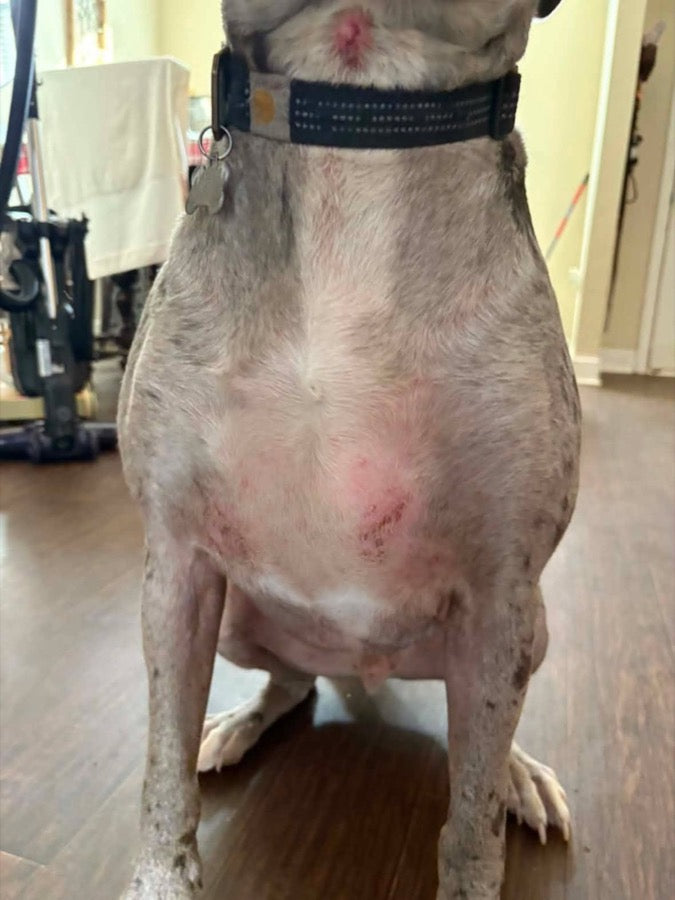
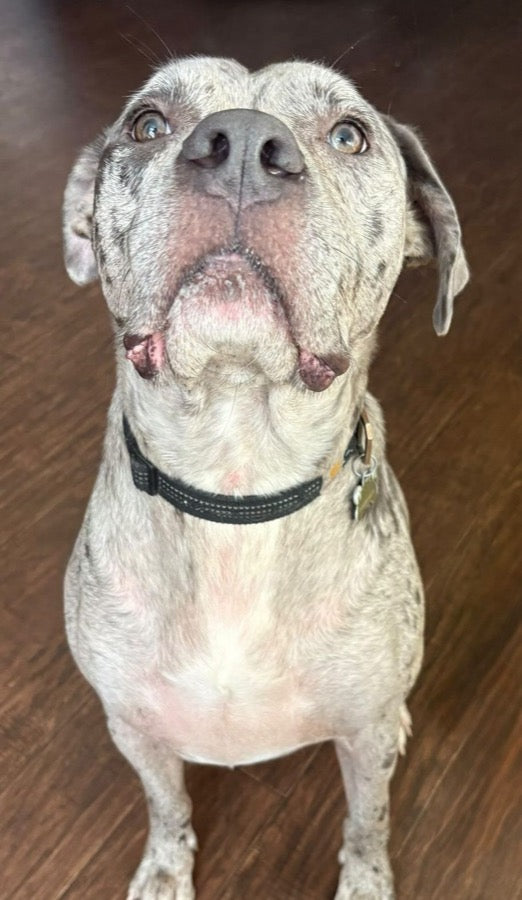
Itchy skin
“I was doubtful it would work.”
After more than a year of trying to calm Ranger’s itchy skin, MacKenzie almost didn’t try one more thing. Two bags of VitaDog Daily later, his coat was growing back and he was finally comfortable.
MacKenzie · Ranger’s owner
Try VitaDogIndividual results. VitaDog supports normal skin and coat health and is not a substitute for veterinary care.
Why Working Dog Joints Need More Than Pet Dog Joints
The cartilage in a working dog's joints takes daily micro-damage that pet dogs simply don't accumulate. The forces involved:
Bite work and protection sport: Belgian Malinois, German Shepherds, and Dutch Shepherds doing daily bite work generate impact forces through the front legs, shoulders, and neck that exceed everyday exercise loads by orders of magnitude. The decoy catch, the redirect, the sustained grip under pressure, all transfer mechanical load through the joint structures.
Sprint and turn sports: Agility, dock diving, flyball, lure coursing involve maximum-velocity acceleration and deceleration with rapid direction changes. The cruciate ligaments, hocks, and stifles take cumulative wear that compounds across training sessions and competitions.
Patrol K9 work: Jumping into vehicles, vertical apprehensions, sustained running on hard surfaces, fence work, building searches, and the unpredictable physical demands of operational deployment combine to produce chronic joint loading.
Multi-day field events: Hunting field trials, search and rescue operations, herding trials, sled racing involve sustained activity across hours and days. Even low-impact endurance work creates cumulative micro-trauma in the joint surfaces.
The cartilage doesn't have its own blood supply. It rebuilds slowly using glucosamine HCl, and other substrate molecules delivered through synovial fluid. When training load exceeds rebuild capacity, the cartilage thins faster than it repairs, and the cycle of degenerative joint disease begins.
The Multi-Pathway Joint Protection Framework
Modern evidence-based joint protection for working dogs uses a multi-pathway approach rather than relying on single ingredients. Seven categories matter:
1. Cartilage substrate
Glucosamine HCl at 20mg per pound body weight daily. Supports cartilage rebuild and synovial fluid quality. Glucosamine HCl is more concentrated and bioavailable than glucosamine sulfate forms used in some products.
Loading dose (1.5x daily) for the first 6 weeks accelerates joint tissue saturation and produces faster initial response.
2. Sulfur and connective tissue support
MSM (methylsulfonylmethane) at 50 to 100mg per 10 pounds body weight. Provides sulfur for connective tissue maintenance and has independent anti-inflammatory effect. Pairs synergistically with glucosamine. Canine osteoarthritis benefit of glucosamine/chondroitin combinations is documented in McCarthy et al. 2007 (The Veterinary Journal, RCT).
3. Multi-pathway anti-inflammatory layer
Turmeric paired with black pepper extract (piperine): This pairing matters meaningfully. Without piperine, only 1 to 2% of curcumin (turmeric's active compound) absorbs. With piperine, up to 2,000% increase in absorption. Turmeric without piperine is largely wasted at any dose for working dogs.
Quercetin dihydrate: Different mechanism than curcumin, complementary. Modulates histamine and inflammatory response. Often called "nature's antihistamine."
Adaptogens: Astragalus root, liquorice root, rosemary extract for traditional anti-inflammatory and immune-modulating support.
4. Omega-3 fatty acids
Anchovy-source EPA + DHA for systemic anti-inflammatory effect. Anchovy is cleaner than salmon (lower trophic level, less mercury and PCB accumulation per gram of oil). For working dogs eating fish oil daily across years of careers, the cleanliness profile matters.
GLA from evening primrose oil: complementary fatty acid. Most pet fish oils don't include GLA. Specifically evidence-backed for atopic dermatitis and skin barrier support.
5. Antioxidant support
Vitamin C as collagen synthesis cofactor (genuinely required for the hydroxylase enzymes that build stable collagen). Particularly important for working dogs whose connective tissue is under constant load.
Vitamin E as antioxidant for cell membrane protection.
Quercetin (covered above) also provides antioxidant function.
6. Skin barrier and connective tissue support
Zinc proteinate for connective tissue and skin barrier integrity.
Biotin for fatty acid metabolism in skin and connective tissue cells.
Manganese proteinate as cofactor for connective tissue enzymes.
7. Gut microbiome support
The gut-joint axis is increasingly recognized in canine joint research. Multi-strain probiotic with prebiotic supports the gut microbiome that influences systemic inflammation, which affects joint inflammation.
Particularly relevant for working dogs that may end up on chronic NSAIDs, which disrupt the gut microbiome.
Single-Ingredient Glucosamine Doesn't Cut It
Many mass-market joint supplements deliver glucosamine alone, sometimes with chondroitin. For working dogs at therapeutic load, this leaves substantial coverage gaps:
Without MSM: missing the sulfur and connective tissue layer that pairs synergistically with glucosamine.
Without piperine-paired turmeric: missing the multi-pathway anti-inflammatory layer that addresses the chronic inflammatory load working dogs accumulate.
Without omega-3 with GLA: missing the systemic anti-inflammatory effect from fatty acid pathway support.
Without quercetin and adaptogens: missing complementary anti-inflammatory pathways that single-ingredient glucosamine alone doesn't address.
Without antioxidant support: missing the oxidative damage protection that compounds across training cycles.
The math is straightforward: working dogs benefit from comprehensive multi-pathway joint protection, not single-ingredient products at maintenance doses.
VitaDog: Multi-Pathway Joint Protection for Working Dogs
VitaDog is built around the comprehensive multi-pathway joint protection profile that working dogs benefit from across their careers.
The joint-specific stack in VitaDog:
Glucosamine HCl + MSM (600mg combined active blend) for cartilage substrate and sulfur layer
Turmeric paired with black pepper extract for piperine-enabled curcumin absorption. The piperine pairing is the difference between turmeric supplementation that works and turmeric that doesn't
Quercetin dihydrate for histamine and inflammatory response
Astragalus root, liquorice root, rosemary extract for adaptogenic and antioxidant support
Anchovy + flaxseed + evening primrose oil + MCT four-oil blend: Anchovy-source EPA + DHA (cleaner than salmon, MSC-certified Peruvian anchoveta is the gold standard source), GLA from evening primrose oil, plant ALA, energy fats. Fresh oil delivery in sealed amber dropper preserves the fatty acids until dosing
Vitamin C for collagen synthesis support
Zinc proteinate, biotin, vitamin E for connective tissue and skin barrier integrity
Manganese proteinate as connective tissue enzyme cofactor
8-strain probiotic at 1 billion CFU with inulin and pumpkin prebiotic for gut-joint axis support
Beyond just joints: VitaDog delivers this comprehensive joint protection within a complete daily multi-pathway formula that also supports gut, skin, anti-inflammatory pathways, and full vitamin and chelated mineral profile. One daily product replaces what would otherwise be 4 to 5 separate stand-alone supplements.
Brewers-yeast-free formulation throughout. Meaningful for working dogs with skin or gut sensitivity.
Police K9 units across the country use VitaDog daily as the joint protection foundation that extends the working career. See the all-in-one formulation.
When to Start Joint Supplementation
For working dogs, earlier is better. The leverage is preventive:
Puppies (under 12 to 18 months): avoid forced exercise, repetitive jumping, and high-impact training until growth plates close. No therapeutic joint supplementation needed at this age, but a quality puppy diet with appropriate calcium-phosphorus balance matters.
Young working dogs (18 to 24 months): start daily joint supplementation as growth plates close. This is the highest-leverage preventive timing. Cartilage saturation through daily glucosamine and MSM, combined with the multi-pathway anti-inflammatory layer, sets up the joints for years of high-volume work.
Active career working dogs (2 to 8 years): continue daily multi-pathway joint protection. Loading-dose periods (1.5x daily) for 6 weeks during high-intensity training cycles or post-injury recovery accelerate joint tissue support.

Senior or retired working dogs (8+): continue daily joint protection alongside any prescription medications (Galliprant, Adequan, Librela) that may be appropriate for diagnosed osteoarthritis.
Pairing Daily Joint Protection with Prescription Medications
Many active working dogs end up on prescription joint medications during their careers. Daily multi-pathway supplementation works alongside these prescriptions, not as a replacement:
Galliprant (newer NSAID, fewer GI/kidney concerns than older NSAIDs): often the first-line prescription for canine arthritis. Multi-pathway daily supplementation supports the broader inflammatory pathways and joint substrate that NSAIDs don't address.
Adequan (PSGAG injections, genuinely disease-modifying): standard protocol of twice weekly for 4 weeks then monthly maintenance. Strongest single intervention for moderate-to-severe canine osteoarthritis. Works alongside daily multi-pathway supplementation.
Librela (monoclonal antibody, monthly injection): newer option for canine osteoarthritis pain. Well-tolerated. Daily multi-pathway supplementation supports the underlying cartilage and inflammatory pathways alongside the targeted pain control Librela provides.
Adequan + daily multi-pathway supplement is a particularly common protocol for working dogs with moderate joint issues. Each addresses different pathways: Adequan for cartilage and synovial fluid, multi-pathway daily for inflammation and gut-joint axis.
Frequently Asked Questions
What's the best joint supplement for working dogs?
A daily multi-pathway formula covering glucosamine HCl + MSM (cartilage substrate and sulfur), turmeric paired with black pepper extract for piperine-enabled curcumin absorption, quercetin, adaptogens (astragalus, liquorice, rosemary), omega-3 with GLA (anchovy + evening primrose), and gut microbiome support typically outperforms single-ingredient or limited-pathway products for working dogs.
When should I start joint supplements for my working dog?
Age 18 to 24 months, after growth plates close in large breeds. This is the highest-leverage preventive timing. Earlier supplementation has more leverage than waiting for joint issues to appear, and joint integrity protected at age 2 typically translates to extended working career and delayed onset of degenerative joint disease.
Is glucosamine alone enough for sport dogs?
For working dogs at therapeutic load, no. Multi-pathway joint protection (glucosamine + MSM + multi-pathway anti-inflammatory + omega-3 with GLA + gut-joint axis) typically outperforms single-ingredient glucosamine. Every skipped pathway is a missed lever.
How long does it take for joint supplements to work?
Multi-pathway formulas at full dose: 2 to 4 weeks for partial improvement, 8 weeks for full effect. Loading-dose periods (1.5x daily) for the first 6 weeks accelerate joint tissue saturation and produce faster initial response. Don't judge effectiveness before 8 weeks at full dose.
Can joint supplements prevent hip dysplasia?
Hip dysplasia is genetic in origin: it can't be prevented by supplementation in dogs that carry the predisposition. Joint supplementation can meaningfully delay the onset and reduce the severity of secondary osteoarthritis that develops in dysplastic hips, extending the working career of dogs who would otherwise retire earlier.
Are joint supplements safe for daily long-term use in working dogs?
Yes, when properly formulated. Quality multi-pathway joint formulas with bioavailable forms have excellent long-term safety profiles in dogs eating them daily across years. Working dog handlers commonly maintain dogs on daily joint supplementation throughout the working career and into retirement.
Do I need different joint supplements for different sports?
Generally no. The underlying joint biology is the same across sports. The same daily multi-pathway formula supports the joints of an IGP Belgian Malinois, an agility Border Collie, a patrol K9, and a hunting Labrador. Sport-specific recovery products may layer on top for trial day or post-intense-training, but the daily foundation is consistent.
Should my working dog take joint supplements when not in active training?
Yes. Daily joint protection is most valuable as continuous support, not as competition-cycle-specific supplementation. Off-season periods between training cycles are not "rest" for the joints: cartilage rebuild and inflammation modulation continue continuously. Year-round supplementation has more leverage than seasonal use.
Broader Context
Working Dog Supplements: The Complete Guide, foundational reference
Best Supplements for Working Dogs, broader buyer guide
Sport Dog Nutrition: What Performance Dogs Actually Need, nutrition foundation
Sport Dog Recovery: What Actually Works, recovery framework
Glucosamine for Dogs, foundational ingredient deep dive
MSM for Dogs, sulfur and anti-inflammatory ingredient
Turmeric for Dogs, piperine-enabled anti-inflammatory layer
Best Joint Supplement for Dogs, broader joint comparison
Educational content only. This article is not veterinary advice. Always consult your veterinarian before starting, changing, or stopping any supplement, especially if your dog has a medical condition, is pregnant, or is on medication.
“It wasn't their minds. They're not like people. It's their bodies that give out.”


