
Wet Food vs Kibble: Which is Better?

Neither is universally better. They’re different tools for different dogs.
Kibble wins on convenience, cost, and shelf stability. Wet food wins on palatability, hydration, and texture for dogs who need it. Most healthy adult dogs can thrive on either, or a mix of both. The “best” choice depends on your dog’s age, dental health, hydration habits, weight, and how much hassle you’re willing to take on at meal time.
This article breaks down the actual trade-offs.
 A VitaDog customer story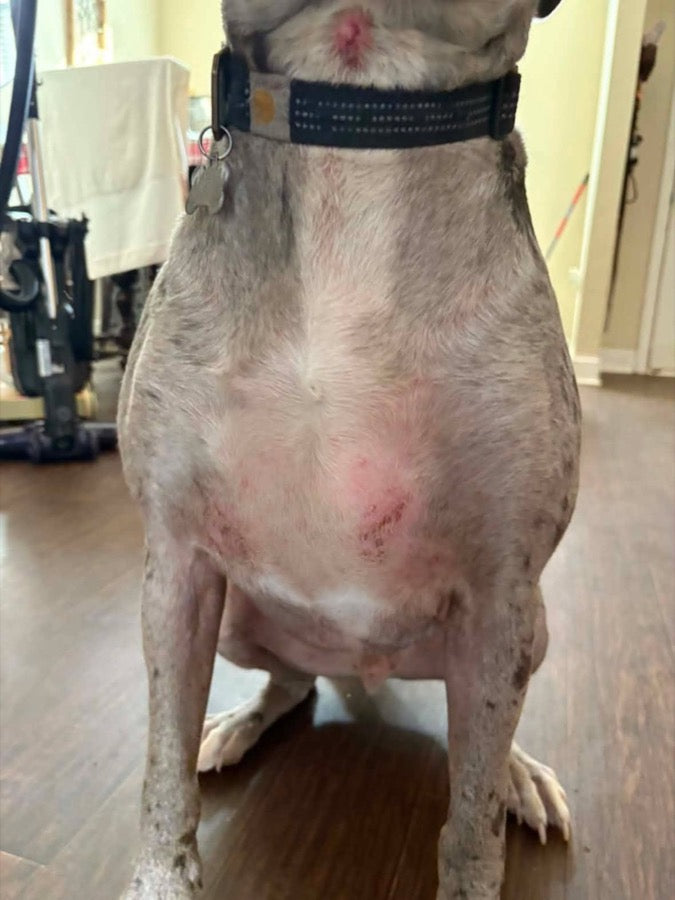

Itchy skin
“I was doubtful it would work.”
After more than a year of trying to calm Ranger’s itchy skin, MacKenzie almost didn’t try one more thing. Two bags of VitaDog Daily later, his coat was growing back and he was finally comfortable.
MacKenzie · Ranger’s owner
Try VitaDogIndividual results. VitaDog supports normal skin and coat health and is not a substitute for veterinary care.
The Basic Differences
Kibble is extruded dry food. Ingredients are mixed into a dough, forced through dies under high temperature and pressure, dried, and coated with palatants (often animal fat) for taste. Moisture content is around 6-10%.
Wet food is canned or pouched food. Ingredients are mixed, sealed in containers, and cooked at high temperature inside the can (retort cooking). Moisture content is 70-85%.
Both can be labelled nutritionally complete, but it's worth noting that legal definitions are the floor to prevent deficiency diseases, not to help dogs thrive. The differences are in form, density, and how dogs interact with the food.
Hydration
This is the clearest difference.
Kibble forces dogs to get most of their water from the bowl. Some dogs do this fine; others, especially those with low thirst drive, drink less than they need. Chronic mild dehydration can contribute to urinary issues, particularly crystals and stones.
Wet food provides water with the meal. A dog eating a can of wet food consumes roughly 6-8 oz of water through the food alone. For dogs prone to urinary tract issues, prone to constipation, in hot climates, or with reduced thirst drive, this is a real benefit.
If your dog drinks plenty and has no urinary history, kibble’s lower moisture isn’t a problem.
Dental Health
The “kibble cleans teeth” claim is half true. Kibble does provide some mechanical friction on the teeth as the dog chews. But most dogs swallow kibble after one or two bites, especially small breeds. The plaque-reducing effect is real but small.
Specifically formulated dental kibbles (with VOHC seal of acceptance) have larger pieces and a fiber matrix designed to scrape teeth. Regular kibble is closer to neutral.
Wet food does not provide dental friction. Dogs on long-term wet food diets often have heavier tartar buildup if there’s no other dental support (brushing, dental chews, professional cleanings).
For dental health, the most effective intervention is daily tooth brushing with dog-specific toothpaste, regardless of which food you feed. The food choice is a smaller factor than owners often think.
Caloric Density and Weight Management
Kibble is calorie-dense. A cup of typical adult kibble is 350-450 calories. A 13 oz can of wet food is around 350-450 calories total · the same calories spread across much more volume.
For dogs on weight management plans, wet food can feel more satisfying for the same calories because there’s more volume in the bowl. Same logic applies to senior dogs with reduced appetite who fill up before meeting their calorie needs on kibble.
Conversely, for active or working dogs that need a lot of calories in a small package, kibble is more practical. A border collie on a herding day eats more efficiently from kibble.
Palatability
Wet food smells stronger and tastes richer. For:
- Picky eaters who routinely refuse kibble
- Dogs recovering from illness with reduced appetite
- Senior dogs with declining sense of smell and taste
- Dogs with dental pain that makes chewing dry food uncomfortable
Wet food often gets meals eaten when kibble alone wouldn’t. This isn’t a small benefit · a senior dog refusing food entirely is a serious problem. Wet food can be the difference between eating and not eating.
Convenience and Cost
Kibble:
- Stores at room temperature for months in original bag
- Can be left in the bowl for free-feeding (not recommended for weight management, but possible)
- Costs roughly $1.50-3.00 per day for a medium dog on mid-tier brands
- Easy to travel with, scoop and serve
Wet food:
- Unopened cans last 1-2 years; opened cans need refrigeration and use within 3-5 days
- Cannot be left in the bowl more than 4 hours, especially in warm weather
- Costs roughly $3-7 per day for a medium dog (often 2-3x kibble cost)
- More effort to portion and serve
For multi-dog households, large breeds, or tight food budgets, kibble’s cost advantage adds up fast. For single small dogs or specific dietary needs, wet food cost is more manageable.
When Mixing Both Makes Sense
Many owners feed a base of kibble with a wet food topper. This combination captures most of the benefits:
- Kibble base provides calories, dental friction, and cost efficiency
- Wet food topper improves palatability and adds hydration
- Mixed texture keeps meals interesting
A reasonable starting point: kibble fills 70-80% of the daily calorie need; wet food covers the remaining 20-30% as a topper. Adjust based on your dog’s response and weight.
Watch the math · don’t add wet food on top of full kibble portions, or you’ll inadvertently increase total calories and your dog will gain weight.
Choosing by Life Stage
Puppies. Either works if formulated for growth. Kibble is more calorie-dense which suits high-growth puppies; wet food is easier on baby teeth during the chewing-everything phase.
Adult maintenance. Either. Mix if your dog has hydration or palatability quirks.
Senior dogs. Wet food often becomes more useful · easier on aging teeth, more palatable for declining appetite, more hydrating for dogs with kidney concerns. Many seniors do well on a wet/kibble mix.
Dogs with health conditions. - Urinary issues · wet food’s hydration benefit is significant; talk to your vet - Diabetes · consistent feeding is more important than food form; kibble is easier to portion precisely - Kidney disease · wet food often preferred for hydration; therapeutic diets exist in both forms - Joint health · either works; the formulation matters more than form
How to Switch or Add Wet Food
Sudden transitions cause GI upset. Move over 7-10 days:
- Days 1-3: 75% old food, 25% new
- Days 4-6: 50/50
- Days 7-9: 25% old, 75% new
- Day 10: 100% new (or stable mix)
If your dog has a sensitive stomach, slow it down further.
What Doesn’t Actually Matter
A few things owners worry about that aren’t decisive:
- “Kibble is processed and unnatural.” Wet food is also processed (retort cooking is high-heat). Both are formulated and cooked.
- “Wet food is more nutritious.” Not inherently. Nutrition depends on the formulation, not the form.
- “Kibble causes bloat.” Bloat (GDV) risk is more about breed (deep-chested), eating speed, and exercise timing around meals than food form.
- “Wet food rots their teeth.” Wet food doesn’t actively damage teeth; it just doesn’t help them. The cause of dental disease is plaque buildup, which happens with any food.
The Short Version
Healthy adult dog with no special concerns: kibble is fine. Senior, picky eater, dental issues, hydration concerns, or recovering from illness: wet food or a mix earns its keep. Cost-conscious or multi-dog household: kibble base with occasional wet topper is a sensible compromise.
The food form matters less than the formulation quality, the portion size, and your dog’s individual response to it.
Related Reading
More on what goes in the bowl:
- Dog Supplement Powder for Homemade Food
- Do Dogs Really Need Supplements?
- Home Remedies for Dog Diarrhea, useful if a switch goes badly
Related health topics:
- Best Supplements for Senior Dogs
- Best Probiotics for Stinky, Gassy Dogs
- Gut Health for Dogs, the pillar guide
Educational content only. This article is not veterinary advice. Always consult your veterinarian before starting, changing, or stopping any supplement or treatment, especially if your dog has a medical condition, is pregnant, or is on medication.


