
Best Supplements Military Working Dogs


Military working dogs operate in some of the most demanding environments any canines face. Multi-month deployments. Extreme climates from desert heat to arctic cold. Detection work in austere conditions. Patrol and apprehension across operational theaters. The combination of training intensity, deployment cycles, environmental stress, and career duration places specific nutritional demands on military working dogs that civilian working dogs don't always face.
This guide covers MWD supplementation across the operational career: the demands of military working dog work, the categories of daily support that matter most, and how military and contract handlers build protocols that support their canine partners through deployment cycles and into retirement.
For broader working dog context, see Working Dog Supplements: The Complete Guide. For police K9 focus specifically, see Best Supplements for Police K9 and Patrol Dogs.
 A VitaDog customer story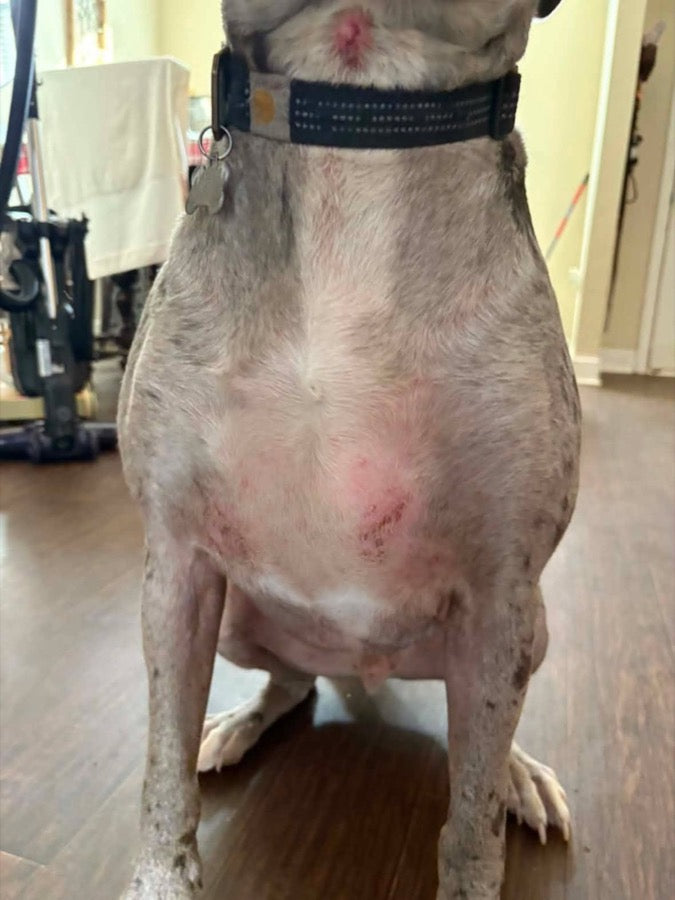
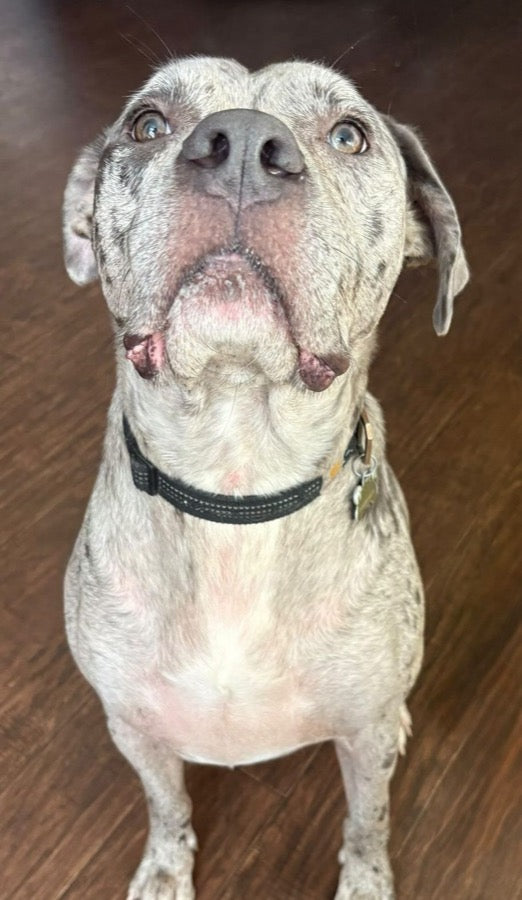
Itchy skin
“I was doubtful it would work.”
After more than a year of trying to calm Ranger’s itchy skin, MacKenzie almost didn’t try one more thing. Two bags of VitaDog Daily later, his coat was growing back and he was finally comfortable.
MacKenzie · Ranger’s owner
Try VitaDogIndividual results. VitaDog supports normal skin and coat health and is not a substitute for veterinary care.
What Military Working Dog Service Actually Demands
Military working dogs serve across roles that combine multiple demands:
Detection work (explosives, narcotics)
Sustained scent work across hours, often in austere environments. Requires sustained focus, cardiovascular endurance for the search pattern, and joint integrity across uneven terrain.
Patrol and apprehension
Bite work, vertical apprehensions, building searches in operational environments. High-impact athletic demand combined with operational unpredictability.
Specialized roles (combat tracker, multi-purpose canine)
Combined detection and patrol roles requiring versatility across multiple skill sets. The most physically and mentally demanding MWD roles.
Multi-month deployments
Operational deployments often run 6 to 12 months in theater. The cumulative load across a deployment is substantial. Most MWDs deploy multiple times across a career.
Extreme environments
MWDs deploy across climates ranging from desert heat (Iraq, Afghanistan, current operations) to arctic conditions (alpine and northern operations). Each environment creates specific physical demands.
Career duration
MWDs typically serve 6 to 10 years of operational service before retirement. The cumulative joint, soft tissue, and inflammatory load across that career is substantial.
What MWDs Need Nutritionally
MWDs benefit from comprehensive multi-pathway daily support, with particular emphasis on the categories that address operational demand patterns:
1. Joint Protection (highest priority)
Joints are the most common career-ender in military working dog service. The combination of bite work, jumping, varied terrain, and the cumulative wear of years of operational deployment make joint protection the single highest-leverage nutritional category for MWDs.
What works: Glucosamine HCl + MSM at therapeutic-tier dosing, multi-pathway anti-inflammatory layer (turmeric paired with black pepper extract for piperine-enabled curcumin absorption, quercetin, adaptogens), omega-3 with GLA, gut-joint axis support.
2. Multi-Strain Probiotic with Prebiotic
MWDs put their gut microbiomes through specific stress patterns: deployment travel, varied food and water sources in theater, occasional antibiotic exposure, kennel housing, and the chronic mild stress of operational deployment.
What works: Multi-strain probiotic at 1 billion+ CFU with inulin and pumpkin prebiotic. Brewers-yeast-free formulation for the MWDs with skin or gut sensitivity (which is most working line Belgian Malinois and German Shepherds at some point in their career).
3. Anti-Inflammatory Layer
Operational deployment generates persistent low-grade inflammatory load. Multi-pathway anti-inflammatory support addresses this continuously.
What works: Turmeric paired with black pepper extract, quercetin, adaptogens (astragalus, liquorice, rosemary), anchovy-source omega-3, GLA from evening primrose oil.
4. Skin Barrier and Coat Support
MWDs face skin barrier challenges from extreme climates, varied environments, frequent bathing, and underlying atopic predisposition in working lines.
What works: Anchovy-source omega-3 plus GLA, zinc proteinate, biotin, vitamin E, vitamin C for collagen synthesis support.
5. Adaptogens and Stress Support
The chronic stress of deployment cycles, kennel transitions, and operational unpredictability affects the canine stress response. Adaptogens support stress response without performance compromise.
What works: Astragalus root, liquorice root, rosemary extract.
6. Heat and Climate Adaptation
MWDs in hot deployment environments need particular attention to hydration, electrolyte balance, and heat tolerance. While supplementation doesn't replace appropriate operational management of heat stress, the daily anti-inflammatory and skin barrier support help moderate the cumulative impact of climate stress.
7. Full Vitamin and Chelated Mineral Profile
Even quality performance kibbles deliver less vitamin content than the bag states by the time the dog eats it. Daily comprehensive vitamin and mineral support fills these gaps, particularly important for MWDs in extended deployment where food storage and quality vary.
What works: Methylcobalamin B12, niacinamide as NAD+ precursor, chelated minerals (zinc proteinate, copper bisglycinate, manganese proteinate), full B-complex.

VitaDog: Daily Foundation for Military Working Dogs
VitaDog is built specifically for the daily multi-pathway foundation profile that MWDs benefit from across their operational career.
The MWD-relevant stack in VitaDog:
Joint protection: Glucosamine HCl + MSM (600mg combined active blend) for cartilage substrate and sulfur layer. Canine osteoarthritis benefit from glucosamine/chondroitin is documented in McCarthy et al. 2007 (The Veterinary Journal, RCT) and from dietary omega-3 in Roush et al. 2010 (JAVMA, multicentre RCT in 127 dogs)
Multi-pathway anti-inflammatory: Turmeric paired with black pepper extract for piperine-enabled curcumin absorption (without piperine, only 1 to 2 percent of curcumin absorbs; with piperine, up to 2000 percent bioavailability increase per Shoba et al. 1998, Planta Medica). Quercetin dihydrate for histamine and inflammatory response. Astragalus, liquorice, rosemary adaptogens
8-strain probiotic at 1 billion CFU with inulin and pumpkin prebiotic. Multi-strain synbiotic for MWD gut microbiome resilience under deployment, travel, and operational stress
Anchovy + flaxseed + evening primrose oil + MCT four-oil blend: Anchovy-source EPA + DHA (cleaner than salmon), GLA from evening primrose oil, plant ALA, MCT for energy fats and ketone substrate. Fresh oil delivery in sealed amber dropper preserves the fatty acids until dosing
Full vitamin and chelated mineral profile: Methylcobalamin B12, niacinamide as NAD+ precursor, vitamins A, C, D3, E, zinc proteinate, copper bisglycinate, manganese proteinate, biotin
Brewers-yeast-free formulation throughout
Daily dosing scaled to body weight: most MWDs fall in the 21 to 75 lbs (2 scoops + full dropper) or 75+ lbs (3 scoops + 1.5 droppers) ranges based on breed.
Military working dog handlers and contract K9 programs across the country use VitaDog daily as the foundation that protects the working career across deployment cycles. See the full formulation.
Building MWD Supplement Protocols
For most military working dogs, the practical protocol breakdown:
Daily foundation (year-round, every day, deployment and home station)
Comprehensive multi-pathway daily formula. Runs continuously across deployment cycles, training periods, and rest cycles. The daily foundation is non-negotiable for protecting working career longevity.
The simplicity of one comprehensive product matters in MWD work where deployment logistics, kennel feeding patterns, and handler turnover all benefit from straightforward dosing. A single daily formula that covers joint, gut, anti-inflammatory, omega-3, and full vitamin profile fits the operational reality of MWD service.
Climate-specific additions
Hot deployment environments: hydration support and electrolyte products around extreme heat operations. Cold deployment environments: continued daily foundation, with attention to caloric needs in extreme cold.
Targeted vet-guided products (as needed)
For diagnosed conditions or post-injury recovery, targeted products under MWD veterinary guidance. Most MWD programs maintain regular veterinary relationships.
Retirement transition
Daily foundation supplementation continues into retirement. Retired MWDs benefit substantially from continued joint protection, gut support, and anti-inflammatory layer through retirement.
Common MWD Health Patterns
Military working dogs frequently develop characteristic patterns that supplementation addresses:
Cumulative joint stress from operational career
Bite work catches, jumping over obstacles, varied terrain across deployments combine to produce substantial cumulative joint loading. Daily multi-pathway joint support starting from age 18 to 24 months is the most effective preventive timing.
Heat-related cumulative stress
MWDs deployed to hot climates face cumulative heat stress that affects multiple systems. While operational management remains the primary intervention, daily anti-inflammatory support and skin barrier support help moderate the impact.
Deployment-related gut sensitivity
Travel to theater, varied food and water sources, and the operational pace of deployment all stress the gut microbiome. Daily multi-strain probiotic with prebiotic addresses this directly.
Career-ending injuries
Cruciate ligament injuries, hip and elbow degenerative changes, chronic soft tissue issues are common career-enders. Daily joint protection extends the working years before degenerative changes accumulate.
Post-deployment recovery
The transition from operational deployment back to home station often involves systemic recovery patterns. Continued daily multi-pathway support eases this transition.
Retirement transition
MWDs entering retirement after a career of operational service often have accumulated joint and inflammatory issues. Continued daily supplementation supports the post-career years.
Frequently Asked Questions
What supplements do military working dog handlers give their dogs?
Most MWD handlers and contract K9 programs build protocols around daily multi-pathway foundation support (joint, gut, anti-inflammatory, omega-3, vitamins). The foundation tier is what protects the working career across years of operational deployment.
What's the best joint supplement for military working dogs?
A daily multi-pathway formula covering glucosamine HCl + MSM, turmeric paired with black pepper extract for piperine-enabled curcumin absorption, quercetin, adaptogens, omega-3 with GLA, and gut microbiome support typically outperforms single-ingredient products for MWDs in active deployment.
Can MWDs take supplements during deployment?
Yes. Daily multi-pathway supplementation continues through deployment. The supplementation is most valuable continuously, including across deployment cycles. Powder formulations travel well; oil dropper bottles store stably under most conditions.
How do extreme temperatures affect MWD supplementation needs?
Daily foundation supplementation runs continuously across climates. Extreme hot environments add hydration and electrolyte considerations around heat operations. Extreme cold environments add caloric considerations. The underlying daily multi-pathway foundation remains consistent.
What about MWDs with chronic deployment-related issues?
MWDs with diagnosed chronic conditions (joint issues, GI issues, skin issues) benefit from daily multi-pathway foundation support combined with targeted vet-guided products under MWD veterinary care.
Should retired MWDs continue supplementation?
Yes. Retired MWDs benefit substantially from continued daily multi-pathway support. The joint protection, gut microbiome support, and anti-inflammatory layer continue providing value through retirement. Many retired MWDs develop osteoarthritis from cumulative operational career loading; daily supplementation helps manage this.
How important is brewers-yeast-free formulation for MWDs?
Meaningful for working line MWDs (Belgian Malinois, German Shepherds, Dutch Shepherds) that are notoriously prone to skin and gut sensitivity. Brewers yeast in chew-format products can drive cross-reactive issues. Brewers-yeast-free formulations are the safer default for working line dogs.
What supplements help MWDs with travel and deployment stress?
Daily multi-strain probiotic with prebiotic for gut microbiome resilience. Adaptogens (astragalus, liquorice, rosemary) for stress response. Continued daily multi-pathway support runs across the deployment cycle rather than only around acute travel events.
Broader Context
Working Dog Supplements: The Complete Guide, foundational reference
Best Supplements for Police K9 and Patrol Dogs, patrol focus
Best Supplements for Working Dogs, buyer guide
Best Joint Supplement for Working Dogs, joint focus
Sport Dog Recovery: What Actually Works, recovery framework
Best Supplements for Belgian Malinois, breed-specific
Best Supplements for Working Line German Shepherds, breed-specific
Best Supplements for Dutch Shepherds, breed-specific
Educational content only. This article is not veterinary advice. Always consult your veterinarian before starting, changing, or stopping any supplement, especially if your dog has a medical condition, is pregnant, or is on medication.


