
Best Supplements Agility Dogs

2-minute fit check
What does your dog actually need?

Agility is one of the most physically demanding canine sports. The combination of maximum-velocity sprints, rapid direction changes, repeated jumping over hurdles and tire obstacles, weave pole work, A-frame and dog walk navigation, and the cumulative load of training and trial events combine to produce specific nutritional support needs.

This guide is the comprehensive reference for agility dog supplementation. We cover the demands of agility, the categories of daily support that protect the working career, and how serious agility competitors build daily protocols that support trial readiness across years of competition.
For broader sport dog context, see Sport Dog Nutrition: What Performance Dogs Actually Need and Sport Dog Recovery: What Actually Works.
 A VitaDog customer story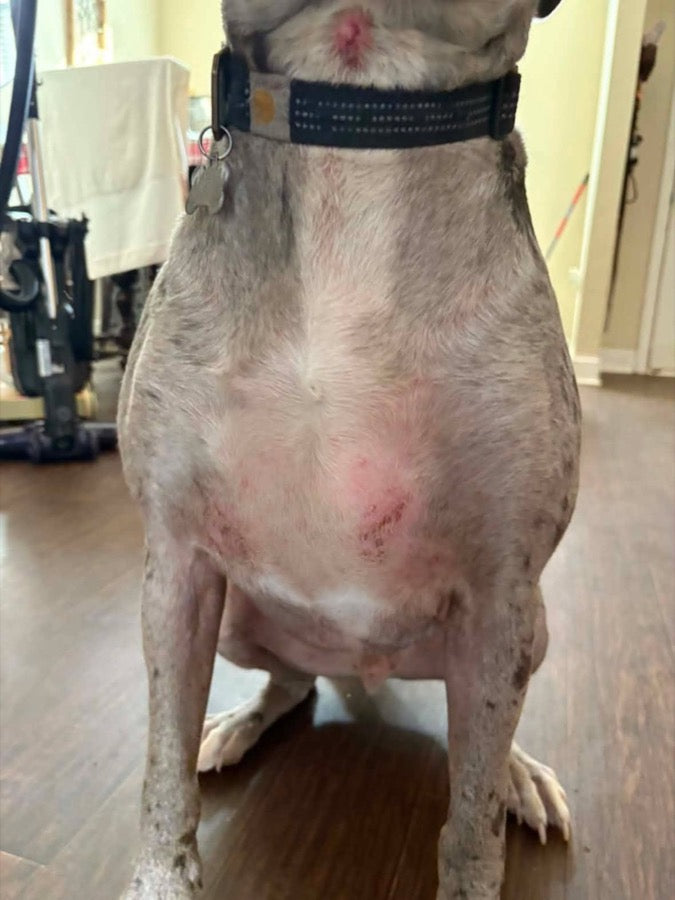
Itchy skin
“I was doubtful it would work.”
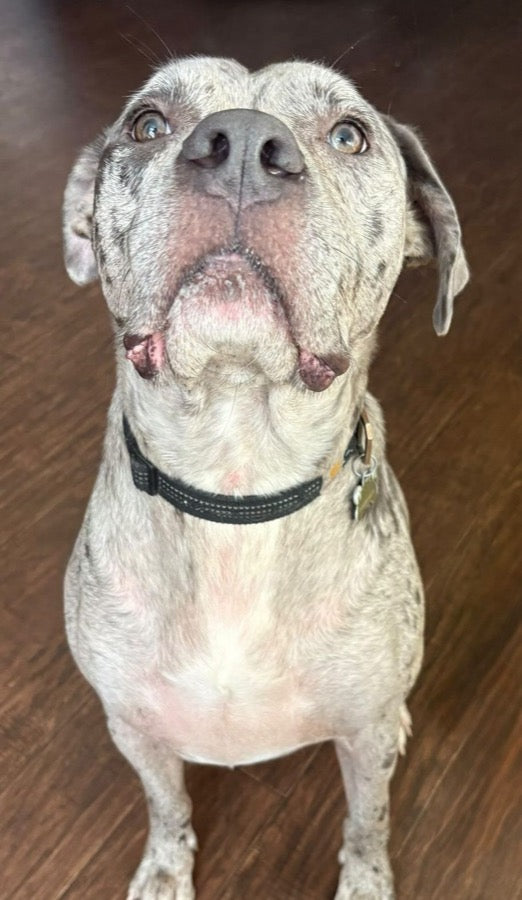
After more than a year of trying to calm Ranger’s itchy skin, MacKenzie almost didn’t try one more thing. Two bags of VitaDog Daily later, his coat was growing back and he was finally comfortable.
MacKenzie · Ranger’s owner
Try VitaDogIndividual results. VitaDog supports normal skin and coat health and is not a substitute for veterinary care.
What Agility Actually Demands
Agility combines elements that few other dog sports demand simultaneously:
Sprint Power and Acceleration
Top agility dogs reach speeds of 15 to 20 mph between obstacles. The acceleration from a stationary start through the first jump is maximum-effort sprint work. Each course involves multiple sprint phases.
Rapid Direction Changes
Course design requires sharp turns, often at full speed. The cruciate ligaments, hocks, stifles, and shoulders take cumulative wear from repeated rapid direction changes across training and trials.
Repeated Jumping
Standard agility courses include 6 to 12 jumps. Each jump generates impact forces through the front legs on landing. Across a season of training and trials, the cumulative jump count is substantial.
Weave Pole Mechanics
The weave poles require rapid lateral movement at speed. The forces through the spine, shoulders, and rear legs during weaves are unusual and create specific cumulative wear patterns.
Multi-Day Trial Events
Many agility trials run multiple days with multiple runs per day. The recovery demand across multi-day events is substantial.
Year-Round Training
Most serious agility competitors train year-round. The cumulative load operates continuously rather than peaking around scheduled events.
What Agility Dogs Need Nutritionally
Agility dogs benefit from comprehensive multi-pathway daily support across several categories:
1. Joint Protection (highest priority)
The single highest-priority category for agility dogs. The combination of jumping (impact through front legs), sprint sports (sustained joint loading), rapid direction changes (cruciate and stifle stress), and training volume creates substantial cumulative joint loading.
What works: Glucosamine HCl + MSM at therapeutic-tier dosing, multi-pathway anti-inflammatory layer (turmeric paired with black pepper extract for piperine-enabled curcumin absorption, quercetin, adaptogens), omega-3 with GLA, gut-joint axis support.
2. Multi-Strain Probiotic with Prebiotic
Agility dogs often travel to trials, change environments frequently, and experience the chronic stress of competition. The gut microbiome takes constant hits.
What works: Multi-strain probiotic at 1 billion+ CFU with inulin and pumpkin prebiotic. Brewers-yeast-free formulation matters for sensitive agility breeds (especially Border Collies and other working herders that often have sensitive guts).
3. Anti-Inflammatory Layer
Agility training generates persistent low-grade inflammatory load from the chronic high-impact, high-velocity work. Without anti-inflammatory support, this becomes the foundation for early-onset osteoarthritis and chronic soft tissue issues.
What works: Turmeric paired with black pepper extract, quercetin, adaptogens (astragalus, liquorice, rosemary), anchovy-source omega-3, GLA from evening primrose oil.
4. Cardiovascular Support
Agility is a high-intensity aerobic sport. Multi-pathway support that addresses cardiovascular health (omega-3 fatty acids, antioxidants) supports the underlying systems agility performance depends on.
What works: Anchovy-source EPA + DHA, vitamin E, vitamin C, full B-complex.
5. Skin Barrier and Coat Support
Agility dogs are bathed often, exposed to varied environments at trials, and many agility breeds have skin sensitivities. Skin barrier support matters across the career.
What works: Anchovy-source omega-3 plus GLA, zinc proteinate, biotin, vitamin E, vitamin C for collagen synthesis support.
6. Full Vitamin and Chelated Mineral Profile
Daily comprehensive vitamin and mineral support fills the gaps that even quality performance kibbles leave open.
What works: Methylcobalamin B12, niacinamide as NAD+ precursor, chelated minerals (zinc proteinate, copper bisglycinate, manganese proteinate), full B-complex.
VitaDog: Multi-Pathway Daily Support for Agility Dogs
VitaDog is built specifically for the multi-pathway daily support profile that serious agility dogs benefit from across their working career.
The agility-relevant stack in VitaDog:
Joint protection: Glucosamine HCl + MSM (600mg combined active blend) for cartilage substrate and sulfur layer. Canine osteoarthritis benefit from glucosamine/chondroitin is documented in McCarthy et al. 2007 (The Veterinary Journal, RCT) and from dietary omega-3 in Roush et al. 2010 (JAVMA, multicentre RCT in 127 dogs)
Multi-pathway anti-inflammatory: Turmeric paired with black pepper extract for piperine-enabled curcumin absorption (without piperine, only 1 to 2 percent of curcumin absorbs; with piperine, up to 2000 percent bioavailability increase per Shoba et al. 1998, Planta Medica). Quercetin dihydrate for histamine and inflammatory response. Astragalus, liquorice, rosemary adaptogens
8-strain probiotic at 1 billion CFU with inulin and pumpkin prebiotic. Multi-strain synbiotic for agility dog gut microbiome resilience
Anchovy + flaxseed + evening primrose oil + MCT four-oil blend: Anchovy-source EPA + DHA (cleaner than salmon, MSC-certified Peruvian anchoveta is the gold standard source), GLA from evening primrose oil, plant ALA, MCT for energy fats. Fresh oil delivery in sealed amber dropper
Full vitamin and chelated mineral profile: Methylcobalamin B12, niacinamide as NAD+ precursor, vitamins A, C, D3, E, zinc proteinate, copper bisglycinate, manganese proteinate, biotin
Brewers-yeast-free formulation throughout. Meaningful for sensitive agility breeds (Border Collies, Australian Shepherds, sensitive Belgian Malinois)
Daily dosing scaled to body weight: most agility dogs fall in the 21 to 75 lbs range (2 scoops + full dropper) based on breed.
Agility competitors across the country use VitaDog daily as the foundation that protects the working career through years of trial seasons. See the all-in-one formulation.
Building Your Agility Supplement Protocol
For most agility dogs, the practical protocol breakdown:
Daily Foundation (Year-Round, Every Day)
Comprehensive multi-pathway daily formula. Runs continuously across training and trial seasons.
Sport-Specific Additions (Training Intensity Peaks and Trial Day)
Optional layered support around training peaks and multi-day trial events. Recovery products, hydration support, electrolyte support as appropriate.
Targeted Vet-Guided Products (As Needed)
For diagnosed conditions (joint issues, soft tissue injuries, allergies), targeted products under vet guidance.
Common Agility Dog Health Patterns
Agility dogs frequently develop characteristic patterns that supplementation addresses:
Cruciate Ligament Wear
The repeated rapid direction changes accumulate stress on the cruciate ligaments across the career. Daily multi-pathway joint support extends the time before degenerative changes appear.
Iliopsoas Strains

Common in agility dogs from the explosive acceleration patterns. Daily anti-inflammatory support helps moderate the chronic inflammatory load that contributes to soft tissue issues.
Shoulder and Elbow Stress
From repeated jumping and impact loading. Daily multi-pathway joint protection addresses the cumulative wear.
Sensitive Guts in Herding Breeds
Border Collies, Australian Shepherds, and similar herding breeds frequently have sensitive guts that benefit from daily multi-strain probiotic with prebiotic, brewers-yeast-free formulation.
Coat Issues from Frequent Bathing
Frequent bathing after dirty training and trials affects skin and coat. Anchovy-source omega-3 with GLA provides direct support.
Frequently Asked Questions
What's the best supplement for agility dogs?
A daily multi-pathway formula covering joint protection (glucosamine + MSM + multi-pathway anti-inflammatory), multi-strain probiotic with prebiotic (brewers-yeast-free for sensitive herding breeds), anchovy-source omega-3 with GLA, and full vitamin and chelated mineral profile. Daily continuous use outperforms competition-cycle-only supplementation.
When should I start supplementing my agility dog?
For joint support specifically, age 12 to 18 months for medium breeds (after growth plates close). For comprehensive daily support, agility dogs benefit from supplementation throughout their working career. Earlier intervention has more leverage than waiting for issues to appear.
What supplements help with agility dog joint health?
Daily multi-pathway joint protection: glucosamine HCl + MSM (cartilage substrate and sulfur), turmeric paired with black pepper extract for piperine-enabled curcumin absorption, quercetin, adaptogens, omega-3 with GLA, and gut-joint axis support. Multi-pathway approaches outperform single-ingredient glucosamine for agility dogs.
Do agility dogs need probiotics?
Yes. Daily multi-strain probiotic with prebiotic supports the gut microbiome under travel stress, trial pressure, and frequent dietary variation. Brewers-yeast-free formulation matters for sensitive herding breeds.
What supplements help with iliopsoas strains and chronic soft tissue issues?
Daily multi-pathway anti-inflammatory support (turmeric with piperine, quercetin, adaptogens, omega-3 with GLA) addresses the chronic inflammatory pathways that contribute to recurring soft tissue issues. For acute injuries, vet-guided rehabilitation and rest periods are primary; daily supplementation supports the underlying systems.
Should I give my agility dog supplements before trials?
Daily foundation supplementation runs continuously, including before trials. Pre-trial sport-specific carbohydrate support 1 to 2 hours before competition can layer on top for handlers who want sport-specific support. The daily foundation is what protects the underlying systems trial performance depends on.
What's the best diet for agility dogs?
Sprint sport athletes benefit from diets heavier on carbohydrates (40 to 50% on dry matter basis) and lighter on fats (12 to 17%) during competition cycles. Quality performance kibble with named protein sources, supplemented daily for the multi-pathway support performance kibble can't deliver, is the practical foundation for most agility dogs.
Can supplements help my agility dog's career last longer?
Yes. Daily multi-pathway supplementation that protects joints, modulates chronic inflammation, supports gut microbiome resilience, and maintains skin barrier integrity meaningfully extends the working career compared to dogs without daily support. The leverage is preventive: starting young matters more than reacting to issues that have already developed.
Broader Context
Sport Dog Nutrition: What Performance Dogs Actually Need, nutrition foundation
Sport Dog Recovery: What Actually Works, recovery framework
Working Dog Supplements: The Complete Guide, foundational reference
Best Joint Supplement for Working Dogs, joint focus
Best Supplements for Border Collies and Working Herders, breed-specific
Best Supplements for Australian Shepherds and Cattle Dogs, breed-specific
Best Supplements for Dock Diving Dogs, related sport
Educational content only. This article is not veterinary advice. Always consult your veterinarian before starting, changing, or stopping any supplement, especially if your dog has a medical condition, is pregnant, or is on medication.


