
Help Old Dog Stiff Joints


Your senior dog is slow to get up. They hesitate at stairs. They've stopped jumping on the couch. The morning routine takes longer than it used to. Cold weather makes everything worse.
You're seeing the early-to-moderate signs of canine osteoarthritis (DJD). The good news: there's meaningful intervention available, and most dogs respond well to a combination of supplements, weight management, exercise modification, and prescription support when needed. The bad news: there's no quick fix, and ignoring it makes things worse faster.
This guide is the practical action plan for stiff senior joints. We cover what's actually happening, what to do in what order, and realistic expectations for what each intervention does.
For the broader joint health framework, see Dog Joint Health Guide. For the canine osteoarthritis picture specifically, see DJD in Dogs.
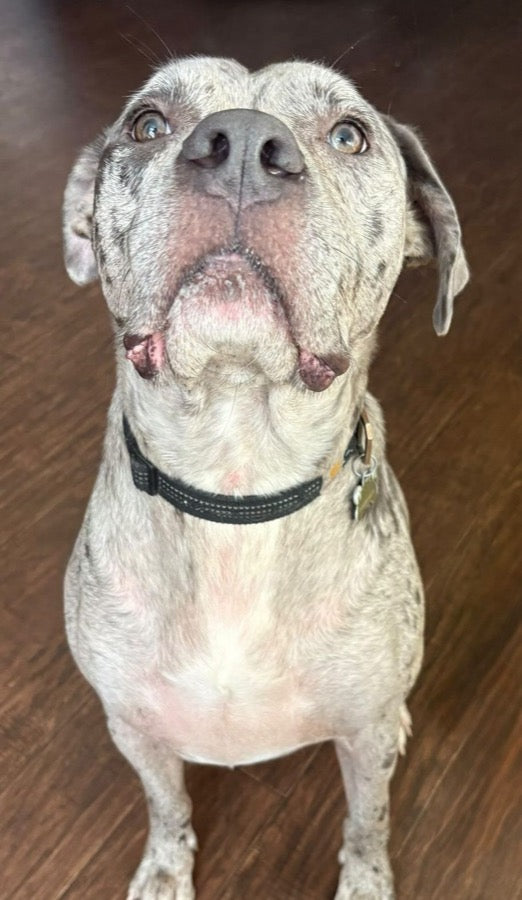
 A VitaDog customer story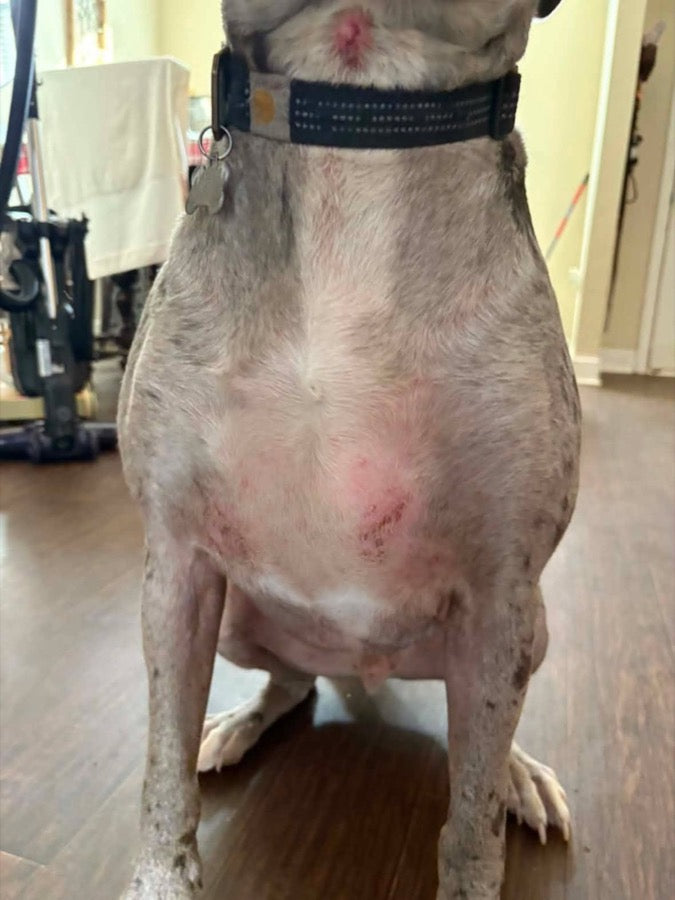
Itchy skin
“I was doubtful it would work.”
After more than a year of trying to calm Ranger’s itchy skin, MacKenzie almost didn’t try one more thing. Two bags of VitaDog Daily later, his coat was growing back and he was finally comfortable.
MacKenzie · Ranger’s owner
Try VitaDogIndividual results. VitaDog supports normal skin and coat health and is not a substitute for veterinary care.
What's Actually Happening
Senior joint stiffness is almost always degenerative joint disease (DJD), the canine version of osteoarthritis. The mechanism:
Cartilage starts thinning at points of high mechanical stress
Synovial fluid quality declines, providing less cushioning
Bone surfaces start rubbing with friction
Inflammation kicks in as damaged cartilage releases inflammatory signaling molecules
The body responds with bone remodeling (bone spurs, joint capsule thickening)
Pain and stiffness become more pronounced
The dog uses the joint less, surrounding muscles atrophy
Reduced muscle support means more joint stress, the cycle compounds
By the time you're seeing visible stiffness, the process has often been progressing silently for 1 to 3 years. The earlier you intervene, the more leverage you have.
Signs You're Already Seeing
The cluster that points to senior DJD:
Slow to get up from lying down, especially after rest
Morning stiffness that loosens with movement (the dog "warms up")
Reluctance at stairs, jumping into car, jumping on furniture
Reduced stamina on walks
Brief skipping or hopping during play
Sloppy sit with hip tucked to one side
Muscle wasting in the rear legs (more visible in larger breeds)
Worse in cold or damp weather
Licking a specific joint persistently
Reduced enthusiasm for activities they used to love
The Action Plan: What Works In What Order
Tier 1: Weight management (often the highest leverage)
If your dog is overweight, this is the single most impactful intervention you can make. Every pound of excess body weight amplifies joint forces dramatically. Research shows dogs at ideal body weight develop arthritis about 2 years later on average than overweight dogs of the same breed.
For senior dogs already showing stiffness, weight reduction alone often produces visible improvement within 4 to 8 weeks. Better than any supplement, faster than most prescription interventions.
How to assess: ribs should be palpable with light pressure but not visible. Visible waist when looking down. Tucked abdomen when looking from the side. If your dog fails any of these, weight loss is part of the protocol.
How to do it: typically 10 to 20% reduction in daily calories, increased low-impact exercise (swimming, controlled walks), no table scraps, weighed measured meals.
Tier 2: Daily multi-pathway joint support
The modern evidence base points to multi-pathway support, not single-ingredient solutions. The seven categories that matter:
Cartilage substrate: glucosamine HCl at 20 mg per pound body weight daily. This is the cartilage building block. Standard dose. Higher loading dose (1.5x) for the first 6 weeks accelerates joint tissue saturation.
Sulfur and connective tissue: MSM at 50 to 100 mg per 10 pounds body weight. Pairs with glucosamine; supports connective tissue integrity and has its own anti-inflammatory effect.
Multi-pathway anti-inflammatory: turmeric paired with black pepper extract (piperine). The piperine pairing is critical because curcumin (turmeric's active) has 1 to 2 percent bioavailability without piperine and up to 2,000 percent increase with piperine (Shoba et al. 1998, Planta Medica). Without piperine, turmeric is largely wasted at any dose. Notable: Dasuquin Advanced contains turmeric without piperine, so the curcumin component is delivering 1 to 2 percent of its labeled dose.
Histamine and inflammatory response: quercetin. Different mechanism than curcumin, complementary.
Adaptogens: astragalus root, liquorice root, rosemary extract. Traditional anti-inflammatory and immune-modulating support.
Omega-3 fatty acids: anchovy-source EPA + DHA (cleaner than salmon, lower contamination ceiling). For most senior dogs at the foundation tier, the moderate omega-3 dose in a daily multi-pathway formula is sufficient. For dogs with diagnosed advanced osteoarthritis at therapeutic doses, a separate concentrated anchovy fish oil layered on top under vet guidance. The multicentre RCT by Roush et al. 2010 in JAVMA evaluated dietary omega-3 in 127 dogs with osteoarthritis.
GLA from evening primrose oil: complementary fatty acid. Useful for senior dogs whose joint issues are paired with skin or coat decline.
Multi-strain probiotic: gut-joint axis support. Particularly relevant for senior dogs because chronic NSAID use disrupts the gut microbiome, and many senior dogs end up on chronic NSAIDs for arthritis pain.
Tier 3: Exercise modification
The right exercise for stiff senior dogs is meaningfully different from active adult exercise:
Low-impact preferred: swimming and hydrotherapy are gold-standard. Underwater treadmill at specialty practices is excellent if accessible.
Controlled leash walks on softer surfaces (grass, dirt, sand). Avoid hard pavement when possible.
Daily moderate activity beats weekend warrior patterns. Two 20-minute walks daily outperform one 90-minute weekend hike for stiff seniors.
Avoid hard-surface running and repeated jumping. These accelerate cartilage wear in already-affected joints.
Stretching and gentle range-of-motion at home, ideally guided by a vet rehabilitation specialist initially.
Tier 4: Environmental modifications
Often-overlooked low-cost interventions:
Orthopedic dog bed with memory foam. Senior joint comfort during 14+ hours of daily sleep matters meaningfully.
Ramps for cars and furniture to eliminate jumping impact.
Non-slip rugs and runners on hardwood and tile floors. Slipping causes joint strain in stiff dogs.
Raised food and water bowls for large breeds with neck/shoulder stiffness.
Heated bed or heating pad in cold months. Warmth meaningfully reduces stiffness.
Stair gates if stairs are problematic; carry small dogs, consider ramps for medium dogs.
Tier 5: Prescription support
For moderate-to-severe stiffness that doesn't fully respond to Tiers 1 to 4, prescription intervention is appropriate. Modern options are well-tolerated and meaningfully effective:
NSAIDs (Rimadyl, Metacam, Galliprant, Onsior): the workhorse anti-inflammatory class for canine arthritis. Galliprant is newer and has fewer GI and kidney concerns than older NSAIDs. Always under vet guidance with periodic bloodwork to monitor liver and kidney function.
Adequan injections: PSGAG (polysulfated glycosaminoglycan), genuinely disease-modifying. Slows cartilage breakdown rather than just managing symptoms. Standard protocol: twice weekly for 4 weeks, then maintenance every 3 to 4 weeks. Strongest single intervention for moderate-to-severe canine osteoarthritis.
Librela (bedinvetmab): newer monoclonal antibody injection for canine osteoarthritis pain. Once-monthly injection, well-tolerated. Has changed late-stage canine arthritis management meaningfully.
Gabapentin or Amantadine for adjunctive pain control in advanced cases.
Stem cell or PRP therapy for specific cases at specialty practices.
Most dogs with significant stiffness end up on a multi-modal protocol: prescription NSAID or Librela + daily multi-pathway supplement + weight management + exercise modification + environmental support. Supplements complement rather than replace medical management for moderate-to-severe cases.

Realistic Timelines
| Intervention | Time to noticeable effect |
| Weight management | 2 to 4 weeks visible mobility improvement |
| Multi-pathway joint formula (Tier 2) | 2 to 4 weeks partial, 8 weeks full |
| Glucosamine + MSM only | 4 to 6 weeks |
| Exercise modification | Same week (less stiffness from less wear) |
| Environmental support | Immediate (orthopedic bed, ramps) |
| NSAIDs | 24 to 48 hours |
| Adequan | 2 to 4 weeks |
| Librela | 2 to 4 weeks |
The most common owner mistake: stopping interventions before they've had time to work. Joint improvements compound over months, not weeks.
What NOT to Do
Forced rest. Total rest causes muscle atrophy, which makes joint instability worse. Modified moderate exercise outperforms total rest.
Aspirin or human NSAIDs without vet guidance. Multiple human NSAIDs are toxic to dogs. Always use canine-formulated prescription products.
Ignoring weight. Of all the interventions in this article, weight management is often the single biggest lever. Don't skip it.
Single-ingredient glucosamine alone for moderate-severe cases. It works for mild prevention but underdelivers for active arthritis without the broader anti-inflammatory and omega-3 layers.
Switching supplements every few weeks. Joint supplements need 8 weeks at full dose before judging effectiveness. Constant switching produces no sustained effect.
Assuming senior stiffness is "just old age." Most senior dogs respond meaningfully to appropriate intervention. "Old age" isn't a diagnosis or a treatment plan.
When to See a Vet
Schedule a vet visit if:
First time you're noticing significant stiffness (baseline workup including bloodwork is appropriate)
Severe lameness or visible pain
Sudden onset stiffness (vs gradual progression)
One-sided severe lameness (could be cruciate ligament tear or other acute injury)
Tier 1 to 3 interventions haven't produced meaningful improvement at 6 to 8 weeks
Quality of life is declining despite home interventions
Senior wellness check is overdue (annual or semi-annual for senior dogs)
X-rays, joint exam, and bloodwork at the vet provide a baseline that informs which prescription interventions make sense. Earlier intervention has more leverage than later intervention.
The Daily Foundation for Senior Joints
For senior dogs with stiff joints, daily multi-pathway support typically outperforms running multiple stand-alone products and addresses several drivers simultaneously.
VitaDog's daily formula is built around exactly the multi-pathway profile senior joints respond to:
Glucosamine HCl + MSM (600mg combined active blend) for the cartilage substrate and sulfur layer.
Turmeric paired with black pepper extract for piperine-enabled curcumin absorption. The piperine pairing is the difference between turmeric supplementation that works and turmeric supplementation that doesn't.
Quercetin dihydrate for histamine and inflammatory response.
Astragalus root, liquorice root, rosemary extract for adaptogenic and antioxidant support.
Anchovy + flaxseed + evening primrose oil + MCT four-oil blend. Anchovy-source EPA + DHA (cleaner than salmon), GLA from evening primrose oil (broader fatty acid profile than fish oil alone), plant ALA, and MCT (energy fats and ketone substrate for the aging brain).
8-strain probiotic at 1 billion CFU with inulin and pumpkin prebiotic. Particularly relevant for senior dogs on chronic NSAIDs because NSAIDs disrupt the gut microbiome.
Methylcobalamin B12 (the bioavailable form, especially relevant for absorption-impaired seniors), niacinamide as NAD+ precursor, full vitamin and chelated mineral profile.
No brewers yeast for sensitive senior skin.
For senior dogs on prescription NSAIDs or Librela, this daily foundation works alongside the prescription, often allowing reduced doses or fewer flares. The combination is meaningfully more effective than either alone for chronic senior arthritis. See the full formulation.
Frequently Asked Questions
How can I help my old dog with stiff joints?
Multi-modal approach: weight management (often the highest leverage), daily multi-pathway joint supplement (glucosamine + MSM + turmeric with piperine + quercetin + adaptogens + omega-3 with GLA + multi-strain probiotic), exercise modification (low-impact daily activity), environmental support (orthopedic bed, ramps, non-slip surfaces), and prescription support (NSAIDs, Adequan, Librela) for moderate-to-severe cases.
What's the best thing to give an old dog for stiff joints?
For most dogs at the foundation tier, a daily multi-pathway formula that addresses cartilage substrate (glucosamine + MSM), inflammation (turmeric with piperine, quercetin), adaptogens, and omega-3 with GLA outperforms single-ingredient products. For moderate-to-severe stiffness, this foundation plus vet-prescribed NSAIDs, Adequan, or Librela.
How long does it take for joint supplements to work in old dogs?
Multi-pathway formulas: 2 to 4 weeks partial improvement, 8 weeks full effect. Glucosamine + MSM alone: 4 to 6 weeks. Loading-phase dosing for the first 6 weeks accelerates joint tissue saturation. Don't judge effectiveness before 8 weeks at full dose.
Should my senior dog take Apoquel for joint stiffness?
No. Apoquel is for atopic dermatitis (allergic itch), not joint pain. For canine osteoarthritis pain, the prescription options are NSAIDs (Rimadyl, Metacam, Galliprant), Adequan injections, or Librela. Discuss with your vet which fits your dog.
Can I give my old dog human ibuprofen or aspirin?
No. Multiple human NSAIDs (ibuprofen, naproxen, others) are toxic to dogs and can cause severe GI ulceration, kidney failure, or death. Always use canine-formulated prescription NSAIDs under vet guidance. Even canine aspirin requires vet supervision because of GI and bleeding risks.
Is glucosamine alone enough for an old stiff dog?
For mild stiffness or prevention, often. For active arthritis, multi-pathway approaches (glucosamine + MSM + turmeric with piperine + quercetin + omega-3 + adaptogens) outperform single-ingredient products meaningfully. Every skipped pathway is a missed lever.
What's the best dog food for old dogs with stiff joints?
A senior-formulated complete diet at appropriate calories for weight management, with named protein sources, moderate fat, and adequate fiber. Some senior or joint-specific formulas include glucosamine and chondroitin, but at therapeutic doses you typically still need supplementation. Avoid rapidly changing foods.
Should I use a heating pad on my dog's stiff joints?
Yes, with caution. Heat reduces stiffness and is comfortable for most arthritic dogs. Use vet-grade or low-setting human heating pads, supervise to prevent burns, and limit to 15 to 20 minute sessions. Cold compresses can also help for acute inflammation; alternate as appropriate. Heated dog beds are an easy daily option.
Broader Context
Dog Joint Health Guide, the foundational biology
DJD in Dogs, canine osteoarthritis picture
Best Supplements for Senior Dogs, senior-specific approach
Best Joint Supplement for Dogs, brand comparison
Glucosamine for Dogs, foundational ingredient
MSM for Dogs, sulfur and anti-inflammatory ingredient
Turmeric for Dogs, piperine-enabled anti-inflammatory layer
Educational content only. This article is not veterinary advice. Always consult your veterinarian before starting, changing, or stopping any supplement, especially if your dog has a medical condition, is pregnant, or is on medication.


