
Tips for Keeping Dogs Cool in Summer


Dogs don’t sweat through their skin. They cool themselves mainly by panting (evaporation across the tongue and respiratory tract) and minimally through sweat glands in their paw pads. This is a less efficient cooling system than the human one, and it gets overwhelmed faster than most owners realize.
Heatstroke kills dogs every summer in cars, on hikes, after dog park visits, and in backyards. Brachycephalic breeds (Bulldogs, Pugs, Frenchies, Boxers), heavy-coated breeds (Huskies, Malamutes, Berners), senior dogs, puppies, and overweight dogs all have less heat tolerance than the average. This article covers prevention and what to do if heatstroke is happening.
 A VitaDog customer story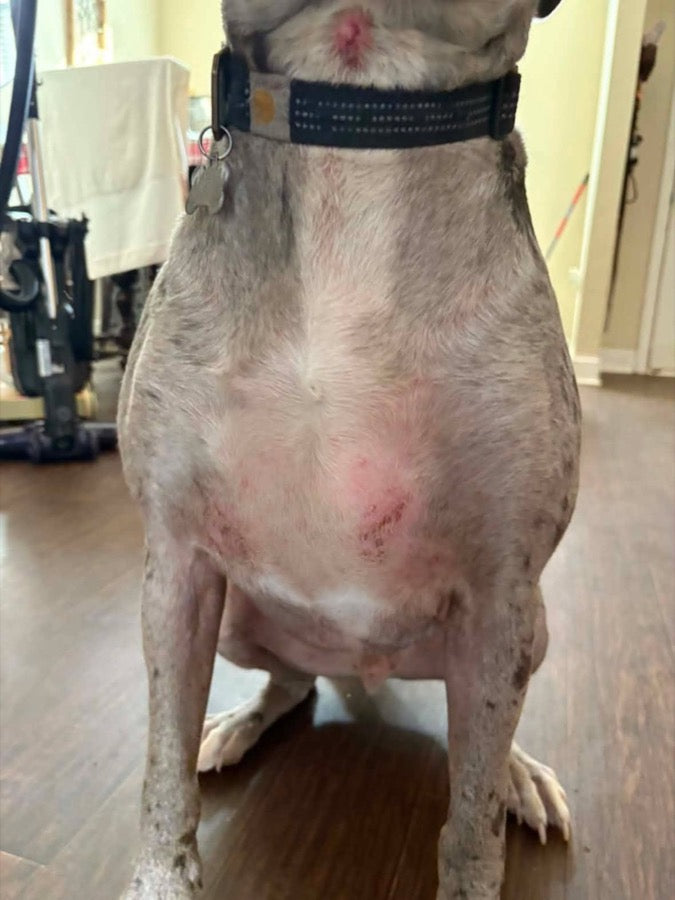
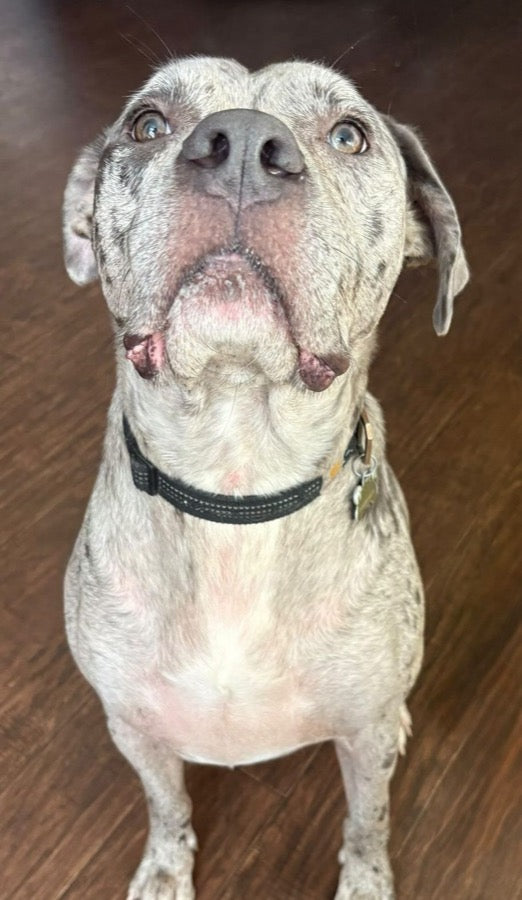
Itchy skin
“I was doubtful it would work.”
After more than a year of trying to calm Ranger’s itchy skin, MacKenzie almost didn’t try one more thing. Two bags of VitaDog Daily later, his coat was growing back and he was finally comfortable.
MacKenzie · Ranger’s owner
Try VitaDogIndividual results. VitaDog supports normal skin and coat health and is not a substitute for veterinary care.
How Dogs Actually Regulate Temperature
- Panting drives most cooling. As warm moisture evaporates from the tongue and airways, it carries heat with it.
- Vasodilation in the ears, paw pads, and inguinal area allows blood to release heat through the skin.
- Sweat glands in paw pads play a minor role.
- Conductive cooling when the dog lies on cool surfaces.
Things that disable this system: high humidity (panting doesn’t work because evaporation slows), restricted airways (BOAS dogs), thick coats, dehydration, obesity.
Signs of Heat Stress (Catch It Early)
Mild to moderate heat stress, treat immediately:
- Excessive panting beyond what the activity warrants
- Bright red gums and tongue
- Drooling more than normal, sometimes ropy and thick
- Restlessness or sudden lethargy
- Slowing down on a walk, refusing to continue
- Wide stance with elbows abducted (trying to maximize air contact)
Severe (medical emergency):
- Body temperature over 104°F (40°C). Normal is 101 to 102.5.
- Vomiting or diarrhea, sometimes bloody
- Stumbling, weakness, collapse
- Confusion or seizures
- Pale or blue gums
- Loss of consciousness
If you see severe signs, this is heatstroke. Cool first, then drive.
Cooling a Dog in Active Heatstroke
Order of operations:
- Move to shade or air conditioning immediately.
- Apply cool water (not ice, not freezing) over the body. Focus on the belly, inner thighs, paw pads, and armpits, where major blood vessels are close to the skin. Keep applying.
- Run a fan if available to accelerate evaporation.
- Offer small amounts of cool water if the dog is conscious and willing.
- Take rectal temperature. Stop cooling at 103.5°F to avoid overcorrection.
- Drive to the nearest emergency vet while continuing cooling in the car. Even after recovery, internal organ damage can develop over the following 24 to 72 hours and needs monitoring.
Do not use ice baths or ice packs directly on the skin. The cold causes peripheral vessels to constrict, which traps heat in the core where it’s most dangerous.

Prevention That Actually Works
Hydration
Always available water. On hot days:
- Multiple bowls in different rooms
- Add ice cubes or frozen broth ice cubes
- Bring water on every walk over 10 minutes
- Wet food or kibble with added water for additional fluid intake. VitaDog can be mixed with water and poured over food for extra hydration.
- Watch the dog’s water consumption; sudden increases are normal in heat
Time of Day
The hottest hours are typically 11 AM to 5 PM, especially when humidity is high. Plan walks, training, and outdoor activity for early morning or evening. Even a “cool” 80°F day can be dangerous in direct sun on hot pavement.
Pavement Test
Place the back of your hand on the pavement for 10 seconds. If you can’t keep it there comfortably, it’s too hot for paws. Asphalt at 87°F air temperature can reach 140°F surface temperature. Walk on grass, dirt trails, or shaded sidewalks; consider boots for unavoidable hot pavement.
Shade and Cool Surfaces
- Shaded outdoor areas with airflow (a dog house in the sun is a worse spot than no dog house at all)
- Tile or stone floors indoors for the dog to lie on
- Cooling mats (gel-filled, pressure-activated)
- Wet towels for the dog to lie on
- Kiddie pools in the yard for water-loving dogs
Cooling Products
- Cooling vests and bandanas. Soak in water before use; evaporation pulls heat as it dries.
- Cooling mats. Useful indoors for dogs that won’t stop running around.
- Misters or sprinkler. Many dogs love them.
Quick note · Whole-body anti-inflammatory support helps dogs handle heat stress better. VitaDog delivers therapeutic-dose omega-3 from anchovy oil plus curcumin with piperine. See the formulation →
Exercise in Hot Weather
Adjust expectations:
- Skip vigorous exercise above 80°F with high humidity.
- Swimming is the gold standard summer exercise: full physical workout, automatic cooling, joint-friendly.
- Mental enrichment (snuffle mats, puzzle feeders, scent games) lets you tire the dog without heat exposure.
- Watch for signs of stress during any outdoor activity. Stop and cool the moment they appear.
Cars Are the Single Biggest Risk
A car parked in 70°F shade can reach 100°F in 30 minutes. In direct sun on a 90°F day, interior temperatures hit 120°F+ within 20 minutes. Cracking windows does almost nothing.
The rule is simple: don’t leave a dog in a parked car. Ever, in summer.
If you see a dog locked in a hot car and the owner isn’t around: most US states now have “hot car laws” allowing or even requiring intervention. Call 911, document the time, find the store manager. Several states grant immunity for forcible entry to save an animal in distress.
Grooming for Summer
A common mistake: shaving a double-coated breed (Husky, Golden, German Shepherd) thinking it’ll keep them cool. The opposite happens. The undercoat insulates against both cold and heat, and the topcoat protects against UV. Shaving removes both functions and exposes skin to sunburn.
Better:
- Brush double-coated breeds thoroughly to remove dead undercoat
- Trim feathering and belly hair on long-haired breeds for airflow
- Bathe more frequently in summer to remove allergens and excess oil
- Sunscreen on pink-skinned, white-coated dogs (especially nose, ears, belly)
Brachycephalic Breeds Need Extra Care
Bulldogs, Pugs, Frenchies, Boxers, Boston Terriers, and similar short-faced breeds have inadequate respiratory cooling capacity. They overheat at temperatures other dogs handle easily.
- Avoid outdoor activity above 75°F
- Consider AC during all daytime hours in summer
- Monitor breathing closely; loud, labored breathing at rest is a sign of distress
- Have an emergency plan with the closest 24/7 vet
When to Call the Vet
Even after a dog recovers from apparent overheating:
- Bloody diarrhea or vomiting
- Continued lethargy or weakness
- Reduced urine output
- Distressed breathing
- Any sign of disorientation or seizure
Internal damage from heatstroke can develop hours after the event. Get checked.
Related Reading
More on health:
- Anxiety in Dogs: Effective Treatment & Relief
- Diagnosing Hip & Elbow Dysplasia in Dogs
- Respiratory Problems in Dogs: Causes & Solutions
- Must-Have Vaccinations for Dogs: Complete Guide
Build the Foundation · Daily Support from VitaDog
Every condition covered in this article is influenced by baseline nutritional support. VitaDog is the comprehensive daily supplement designed for whole-dog health: therapeutic-dose omega-3 from anchovy oil, an 8-strain probiotic with inulin prebiotic, complete joint stack (glucosamine HCl, MSM, curcumin with piperine), full vitamin and mineral profile. One daily powder instead of stacking 4-5 separate bottles.
→ See the VitaDog formulation and get your dog started today.
Educational content only. This article is not veterinary advice. Always consult your veterinarian before starting, changing, or stopping any supplement or treatment, especially if your dog has a medical condition, is pregnant, or is on medication.


