Your dog has diarrhea. Again. Maybe it’s stress, maybe they ate something questionable, maybe they just finished antibiotics. Whatever the cause, you want it to stop, and you’ve heard probiotics can help.
They can. But not all probiotics work the same way for diarrhea, and timing matters. This guide covers which strains work fastest, how to dose them during active diarrhea, and when probiotics aren’t enough and you need a vet.
For the full home-remedy framework, see our Home Remedies for Dog Diarrhea guide.
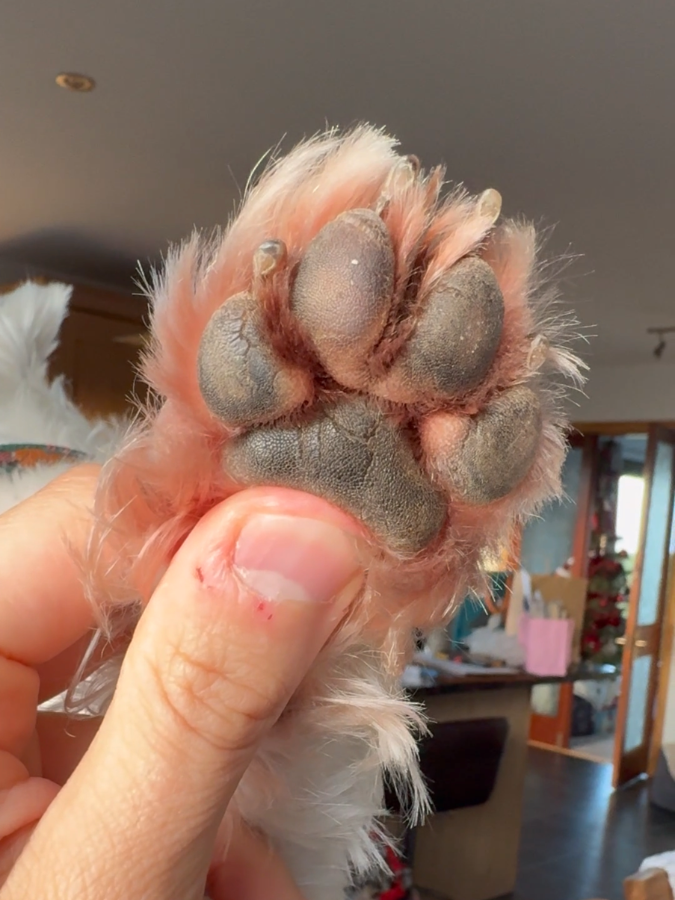
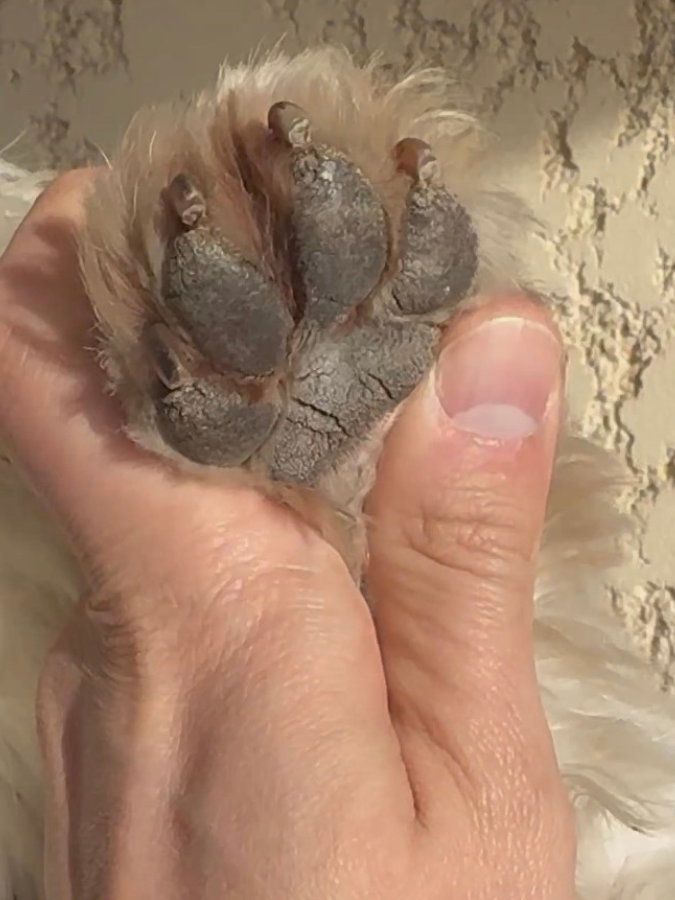
Itchy paws
“I half-believed it. Three weeks later, I’m a convert.”
Brian had tried almost everything for Hector’s itchy, stained paws. He found the VitaDog blog, read it end to end, and only half-believed it, but gave it a shot. Within three weeks the licking had calmed and the rust-colored staining was clearing. Now he won’t switch his 2-year-old Westie to anything else.
Brian · Hector’s owner
Try VitaDogIndividual results. VitaDog supports normal skin and coat health and is not a substitute for veterinary care.
Why Dogs Get Diarrhea (and Why It Keeps Coming Back)
Diarrhea isn’t a disease, it’s a symptom. The gut is reacting to something. Common triggers:
Chronic diarrhea (recurring or lasting more than 2 weeks)
The key distinction: probiotics are effective for most causes of acute diarrhea and can significantly help chronic diarrhea caused by dysbiosis or food sensitivities. They are supportive but not sufficient for parasites, IBD, or EPI, those require veterinary treatment.
For the full gut health framework, see our Complete Dog Gut Health Guide.
How Probiotics Help with Dog Diarrhea
Probiotics combat diarrhea through four mechanisms:
1. Competitive exclusion
Beneficial bacteria physically occupy space on the intestinal wall, preventing pathogenic bacteria from attaching. Think of it as filling all the parking spots so the troublemakers have nowhere to go.
2. Antimicrobial compounds
probiotics strains produce lactic acid, hydrogen peroxide, and bacteriocins, natural antimicrobial substances that inhibit harmful bacteria without affecting the good ones.
3. Gut barrier repair
Diarrhea damages the intestinal lining. Probiotics stimulate mucus production and tight junction repair, rebuilding the barrier that prevents bacteria and toxins from leaking into the bloodstream.
4. Immune modulation
70% of the immune system sits in the gut wall. Probiotics communicate with immune cells, calming the overreactive inflammatory response that perpetuates diarrhea.
Best Probiotic Strains for Dog Diarrhea
Not all strains are equal for acute digestive issues. Here are the most effective, ranked by evidence:
Fast-acting strains (acute diarrhea)
Bacillus subtilis: the standout strain for diarrhea. Spore-forming, so it survives stomach acid intact (many probiotics don’t). Studies show it reduces diarrhea duration by 40-60% in dogs. Also effective against Clostridium-related diarrhea. See Bacillus subtilis for Dogs.
Enterococcus faecium (SF68): the strain in FortiFlora, the most commonly prescribed veterinary probiotic. Well-studied for acute diarrhea in both puppies and adult dogs. Reduces duration and severity of stress-related diarrhea. See Enterococcus faecium for Dogs and the full FortiFlora Review.
Bacillus coagulans: another spore-former with excellent survival through the digestive tract. Particularly effective for antibiotic-associated diarrhea.
Maintenance strains (prevent recurrence)
Lactobacillus acidophilus: the workhorse of gut health. Supports overall microbial balance, produces lactic acid that maintains optimal gut pH, and helps prevent diarrhea from recurring. See Lactobacillus acidophilus for Dogs.
Bifidobacterium animalis: specifically studied for reducing acute diarrhea duration in dogs. Also supports long-term digestive stability.
Lactobacillus rhamnosus: supports immune regulation in the gut and helps prevent antibiotic-associated dysbiosis.
For the full strain comparison, see Lactobacillus Strains for Dogs.
Why multi-strain is better than single-strain
FortiFlora (the most commonly prescribed vet probiotic) contains only Enterococcus faecium. It works for acute episodes but doesn’t provide the diversity needed for long-term gut health. A multi-strain probiotic with both spore-forming (Bacillus) and non-spore-forming (Lactobacillus, Bifidobacterium) strains addresses both the immediate crisis and the underlying imbalance.
For product comparison, see Proviable DC vs Proviable Forte (7-strain multi-strain option) and Best Probiotics for Dogs.
Quick note · Daily nutritional support matters for almost every aspect of canine health. VitaDog bundles an 8-strain probiotic with inulin and pumpkin prebiotic, therapeutic-dose omega-3 from anchovy, and gut-supportive nutrients into one daily powder, the kind of resilient baseline that keeps occasional upsets from turning into chronic episodes.
The acute protocol
Days 1-2 (active diarrhea):
- Start probiotics immediately, don’t wait for the diarrhea to stop
- Give at the full recommended dose (some vets recommend 1.5-2x dose for the first 48 hours)
- Feed a bland diet alongside: boiled chicken breast + white rice (75% rice, 25% chicken), or pumpkin puree mixed with a lean protein
- Ensure plenty of fresh water, diarrhea causes dehydration
Days 3-5 (recovery):
- Continue probiotics at normal dose
- Gradually transition back to regular food over 3-5 days (25% regular food on day 3, 50% on day 4, 75% on day 5, 100% by day 6)
- Continue probiotics through the full transition
Days 6-30 (rebuilding):
- Continue daily probiotics for at least 30 days after the episode resolves
- The gut microbiome needs weeks to fully rebalance after disruption
For antibiotic-associated diarrhea
- Spore-forming strains (Bacillus subtilis, Bacillus coagulans) are especially valuable here because they’re more resistant to antibiotic destruction
Probiotics vs Pumpkin · Do You Need Both?
Pumpkin (plain, canned, not pie filling) is a go-to home remedy for dog diarrhea. It works through a different mechanism than probiotics:
They’re complementary, not competing. Using both is more effective than either alone:
- Pumpkin provides immediate stool-firming effect (within hours)
- Probiotics address the root cause (over days to weeks)
Dose: 1 tablespoon of plain pumpkin per 30 lbs of body weight, mixed into food.
When Probiotics Aren’t Enough · Red Flags
See your veterinarian immediately if your dog has:
Probiotics are supportive care, not emergency care. If in doubt, call your vet.
Preventing Diarrhea · The Long Game
For dogs with recurrent diarrhea, prevention is more valuable than treatment:
Daily probiotic maintenance
Dogs that get daily probiotics have fewer and less severe diarrhea episodes. The gut microbiome stays more resilient to disruption when it’s continuously supported.
Gradual food transitions
When changing food, transition over 7-10 days: start with 25% new food mixed with 75% old food, gradually shifting the ratio. Increase probiotic dose during transitions.
Prebiotic support
Prebiotics (inulin, FOS, pumpkin fiber) feed the probiotic bacteria, helping them establish and maintain healthy populations. A supplement with both probiotics and prebiotics is more effective than probiotics alone. See Inulin for Dogs.
Stress management
Stress-induced diarrhea is extremely common. If your dog gets diarrhea from boarding, travel, or schedule changes, start increasing the probiotic dose 3-5 days before the stressful event.
Complete gut support
The most resilient guts are the ones supported holistically, probiotics for bacterial balance, omega-3 for gut lining integrity, zinc for mucosal repair, and glutamine for intestinal cell energy. Comprehensive daily supplements that include all of these provide better protection than probiotics alone.
VitaDog combines the full 8-strain synbiotic (probiotics + inulin and pumpkin) with therapeutic-dose omega-3 (best fish oil) and gut-supportive nutrients in one daily serving. See the VitaDog formulation.
Related Reading
Condition-specific: - Home Remedies for Dog Diarrhea - Best Probiotics for Stinky Gassy Dogs
Probiotic reviews: - FortiFlora Review - Proviable DC vs Proviable Forte - PetLab Probiotic Chews Review - Best Probiotics for Dogs 2026
Hub guide: - Complete Dog Gut Health Guide
Ingredient deep-dives: - Lactobacillus Strains for Dogs - Bacillus subtilis for Dogs - Enterococcus faecium for Dogs - Inulin for Dogs
The VitaDog approach: - VitaDog Full Formulation
How quickly do probiotics work for dog diarrhea?
For acute diarrhea, spore-forming probiotics (Bacillus subtilis) can show improvement within 24-48 hours. Full resolution typically takes 3-5 days with probiotic support vs 5-7 days without. Chronic diarrhea takes longer, expect 2-4 weeks of consistent daily use.
Can I give my dog human probiotics for diarrhea?
In an emergency, a human probiotic is better than nothing. However, human formulations contain strains optimized for the human gut, may include sweeteners toxic to dogs (xylitol), and don’t include canine-specific strains like Bacillus subtilis. Use a dog-specific product when possible.
Should I stop feeding my dog during diarrhea?
Brief fasting (12-24 hours for adult dogs) can help the gut rest. After that, feed small frequent meals of bland food. Do NOT fast puppies, small dogs, or senior dogs for more than 12 hours, they’re at higher risk of hypoglycemia and dehydration. Always provide water.
My dog gets diarrhea every time we board them. Will probiotics help?
Yes, stress-induced diarrhea is one of the most responsive conditions to probiotic supplementation. Start increasing the probiotic dose 3-5 days before boarding and continue for a week after return. Daily maintenance probiotics also build gut resilience over time, reducing the severity of stress-related episodes.
Can too many probiotics cause diarrhea in dogs?
Rarely, but it’s possible during the first few days. Introducing a high dose of probiotics to a disrupted gut can temporarily increase gas and loose stools as the microbiome adjusts. Start at half dose for the first 2-3 days if the dog has a very sensitive stomach.
Are probiotics safe for puppies with diarrhea?
Yes. Probiotics are safe for puppies and frequently recommended by veterinarians during dietary transitions, post-deworming, and during stressful periods (adoption, new home). However, puppies with severe or bloody diarrhea need veterinary care first, diarrhea in puppies can become dangerous very quickly due to their small body mass and dehydration risk.
Probiotics vs FortiFlora · is one better?
FortiFlora (Purina) contains a single strain (Enterococcus faecium) and is the most commonly prescribed veterinary probiotic. It’s effective for acute episodes. Multi-strain probiotics that include spore-forming bacteria (Bacillus subtilis) plus Lactobacillus and Bifidobacterium strains provide broader gut support for both acute treatment and long-term prevention.
Resilient Gut, Solid Stools · Daily Support with VitaDog
Probiotics work better when the rest of the gut environment supports them: prebiotics to feed the strains, omega-3 to repair the lining, zinc and vitamins to keep the immune-gut conversation healthy. VitaDog packages all of that in one daily scoop.
→ Build a more resilient gut for your dog · see VitaDog.
Educational content only. This article is not veterinary advice. Always consult your veterinarian before starting, changing, or stopping any supplement, especially if your dog has a medical condition, is pregnant, or is on medication.