
How to Get Rid of Fishy Smell on a Dog: The Complete...
You've identified the smell. Now you want it gone.

You've identified the smell. Now you want it gone. This guide is the action-focused companion to our diagnostic hub: it covers exactly what to do, in what order, with realistic timelines for results.
If you haven't yet identified where the smell is coming from, start with our diagnostic guide: Why Does My Dog Smell Like Fish. The treatment depends entirely on the cause.
 A VitaDog customer story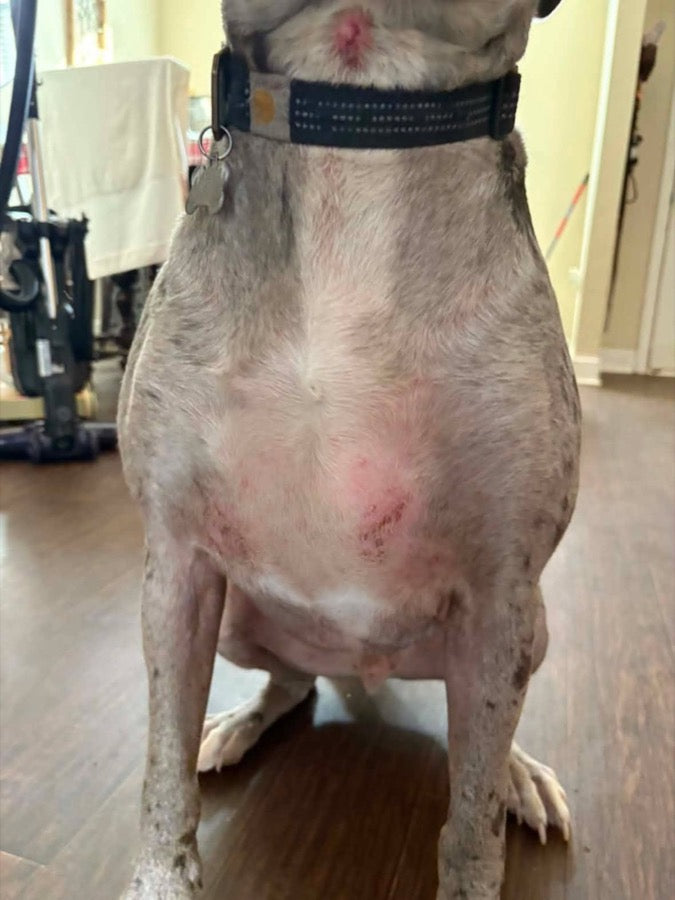
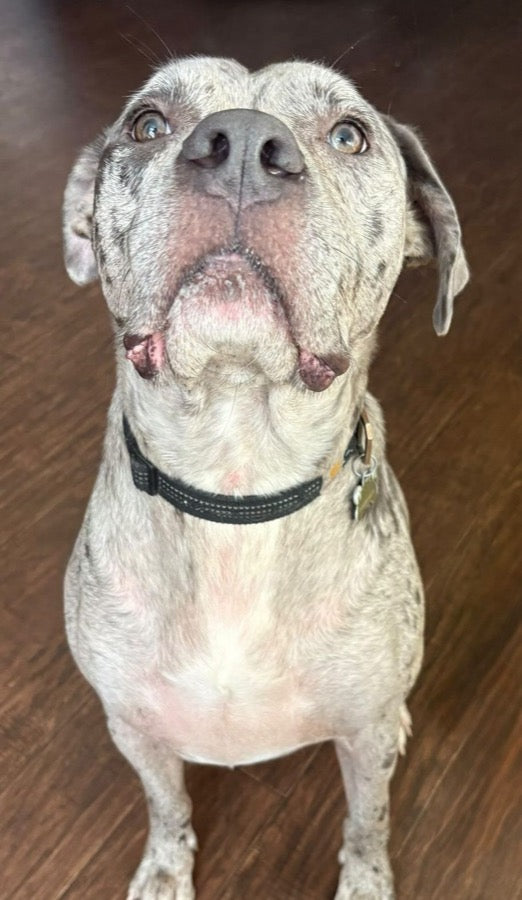
Itchy skin
“I was doubtful it would work.”
After more than a year of trying to calm Ranger’s itchy skin, MacKenzie almost didn’t try one more thing. Two bags of VitaDog Daily later, his coat was growing back and he was finally comfortable.
MacKenzie · Ranger’s owner
Try VitaDogIndividual results. VitaDog supports normal skin and coat health and is not a substitute for veterinary care.
The First 60 Seconds: Identify the Source
Before any treatment, narrow down where the smell is coming from. Sniff-test in this order:
The location dictates the treatment. There is no universal "fishy dog smell remover": the right action plan is entirely cause-specific.
The Bath Question
Most owners' first instinct is to bathe the dog. Almost always wrong:
Bathing fixes: nothing about fishy smells, in most cases. Bathing temporarily masks the smell at most.
Bathing can make things worse: skin yeast often gets aggravated by frequent bathing because shampoo strips the protective skin oils that keep yeast in check. Anal gland smell will return as soon as the next defecation triggers another expression episode.
When bathing helps: if the smell is from the dog rolling in something (transient external smell), then yes, bathe. If the smell is genuinely fishy and persistent for more than 24 hours, bathing is the wrong starting move.
Action Plan: Anal Gland Smell
By far the most common cause. If the smell is from the rear end:
Day 1 to 7: Stool consistency
Add fiber. Plain canned pumpkin (not pie filling) at 1 to 2 tablespoons per 25 lbs body weight per meal. The single highest-leverage intervention.
Start a brewers-yeast-free multi-strain probiotics with prebiotic. Daily, with food.
Watch the stool: target firm, formed, holds shape. Soft-serve consistency is the underlying problem.
Day 3 to 7: Symptomatic care
Warm compress against the rear for 5 to 10 minutes, twice daily. Helps soften any partial impaction.
Walk after meals: physical activity post-meal supports normal gut motility and can help express glands during defecation.
Day 5 to 7: Decision point
If the smell hasn't meaningfully improved after a week of consistent fiber + probiotic + compress, schedule a groomer or vet expression appointment. $15 to $30 for the procedure.
Week 2 to 4: Establish the routine
Continue daily probiotic + fiber. Stool consistency improvements compound over weeks.
Identify dietary triggers if the issue persists. Common: chicken, beef, dairy, wheat, brewers yeast in chew treats and supplements. An 8-week elimination diet can identify the trigger.
Weight management if your dog is overweight. The single biggest long-term lever in small breeds with chronic gland issues.
Beyond week 4: Long-term strategy
For chronically affected dogs: regular groomer expression every 4 to 8 weeks, plus continued daily probiotic + fiber + dietary management. Anal sacculectomy (surgical gland removal) is an option for severely affected dogs whose quality of life is impacted.
For the deep dive on this cause specifically, see My Dog's Butt Smells Like Fish.
Realistic timeline for resolution: 1 to 2 weeks for stool consistency improvement, 4 to 8 weeks for gland expression normalization, ongoing for chronic management.
Action Plan: Fishy Breath
If the smell is from the mouth:
Day 1 to 7: Daily home dental care
Brush the teeth with canine toothpaste (never human toothpaste: xylitol kills dogs). Even 2 to 3 minutes daily makes a measurable difference. Use a finger brush or soft canine toothbrush. Most dogs accept this routine within 1 to 2 weeks if introduced gradually.
Add VOHC-accepted dental chews as supplementary tartar reduction. Greenies, OraVet, Whimzees, similar.
Water additives designed for dental health (look for VOHC seal).
Week 2 to 4: Assess the response
If the breath has improved meaningfully with consistent home care, continue the routine. Daily brushing is the long-term answer.
If the breath hasn't improved, you're likely dealing with subgingival tartar that can't be reached by home care. Schedule a professional dental cleaning.
Long-term: Professional cleanings every 1 to 3 years
Most dogs need professional cleaning under anesthesia every 1 to 3 years. The interval depends on breed predisposition (small breeds typically need more frequent cleanings), home dental care quality, and individual variation. $300 to $1,500 per cleaning depending on extractions needed.
For the deep dive, see My Dog's Breath Smells Like Fish and Dog Bad Breath Home Remedies.
Realistic timeline: 2 to 4 weeks for noticeable home care improvement on mild cases, immediate post-cleaning for moderate-severe cases.
Action Plan: Ear Yeast Smell
If the smell is from one or both ears:
Day 1 to 7: Cleaning and treatment
Inspect the ears. Dark brown to black waxy discharge, redness, head shaking suggests yeast. Significantly inflamed, oozing, or painful ears warrant a vet visit before home treatment.
Clean the ears with a vet-approved canine ear cleaner. Witch hazel + apple cider vinegar (1:1 dilution) is a reasonable home alternative for mild cases on intact skin only: never on broken or raw skin.
For mild cases: continue cleaning every 2 to 3 days for 2 weeks, watch for improvement.
For moderate-severe cases: vet visit for prescription antifungal ear treatment.
Week 2 to 4: Address the underlying cause
Recurrent ear yeast usually has an underlying driver:
Address the underlying driver alongside topical ear treatment. Otherwise the issue recurs every 2 to 4 weeks.
For the full ear yeast protocol, see How to Treat a Dog Ear Infection Without a Vet.
Realistic timeline: 1 to 2 weeks for symptom resolution on mild cases, ongoing management for predisposed dogs.
Action Plan: Skin Yeast (Whole-Body Smell)
If the smell is general body odor across the dog:
Day 1 to 14: Topical and dietary
Medicated shampoo with chlorhexidine, miconazole, or ketoconazole. Twice weekly initially, then weekly maintenance. Vet-grade products work better than over-the-counter pet store shampoos.
Audit food and supplements for brewers yeast: common but under-recognized contributor in sensitive dogs. Many chew-format probiotics, joint chews, and multivitamins use brewers yeast as binder.
Wipe paws and skin folds daily with chlorhexidine wipes or diluted apple cider vinegar.
Identify dietary triggers: chicken, beef, dairy, wheat are top suspects. Brewers yeast specifically. An 8-week elimination diet can identify the trigger.
Week 2 to 8: Address the gut-skin axis
Skin yeast almost always has a gut component. The strongest skin protocols address gut and skin together:
Daily multi-strain probiotic with prebiotic, brewers-yeast-free formulation.
Anchovy-source omega-3 + GLA from evening primrose oil for skin barrier and anti-inflammatory support.
Quercetin for histamine and inflammatory response.
Vitamin E and zinc for skin barrier integrity.
Long-term: Daily foundation
Most dogs with chronic skin yeast benefit from a daily multi-pathway formula that addresses gut, fatty acid, and anti-inflammatory levers together.
For the full protocol, see Dog Yeast Infection Home Remedies and Dog Skin, Coat & Allergy Guide.
Realistic timeline: 2 to 4 weeks for visible reduction in odor, 8 to 12 weeks for sustained skin recovery.
Action Plan: Female-Specific Causes
If the smell is from the genital area in a female dog:
Same-day vet visit if:
Recent heat cycle (2 to 8 weeks ago) + lethargy + off food + drinking more (rule out pyometra: life-threatening)
Severe vulvar discharge with foul smell
Visible vulvar swelling combined with systemic illness
Same-week vet visit for:
New-onset UTI signs (frequent urination, straining, cloudy urine)
Persistent vulvar discharge in non-heat females
Recurrent UTI patterns (more than 2 to 3 in a year)
Action while waiting for vet:
For the full female-specific framework, see My Female Dog Smells Like Fish.
Realistic timeline: depends on cause. UTIs typically resolve within 7 to 14 days of appropriate antibiotics. Pyometra is a surgical emergency. Vaginitis can take 2 to 4 weeks. Heat-cycle-related smell resolves with the cycle (2 to 4 weeks).
What to Avoid
Bathing as a primary intervention. Doesn't fix any of the underlying causes. Can make skin yeast worse.
Air fresheners and "pet odor eliminators." Mask the smell temporarily; do nothing about the cause.
Diet changes without elimination structure. Random food rotation can introduce new sensitivities. If you're investigating food sensitivity, do a structured 8-week elimination on a novel protein under vet guidance.
Home anal gland expression without specific training from your vet. Easy to injure the dog or worsen the issue.
Long-term steroids without vet supervision. Some owners reach for OTC anti-inflammatory products for chronic skin issues. Steroid-containing topical products without vet oversight can suppress legitimate diagnostic signs and create dependence.
Excessive bathing. Strips skin oils, can worsen skin yeast and barrier dysfunction.
Ignoring senior dogs with sudden onset fishy smell. In senior dogs, sudden onset fishy or ammonia-fishy breath can signal kidney or liver dysfunction. Sudden severe vulvar discharge in unspayed senior females can indicate pyometra. Sudden change in pattern in seniors warrants vet evaluation, not home management.
The Daily Foundation for Long-Term Smell Prevention
For dogs with chronic mild fishy smell tendencies (gland-prone breeds, gut-sensitive dogs, atopic dogs), daily multi-pathway support typically outperforms running multiple stand-alone products.
VitaDog's daily formula addresses several of the underlying levers in one product:
This is daily foundation support: it doesn't replace targeted intervention for specific issues (gland expression, dental cleanings, antibiotic for UTIs, antifungal for severe skin yeast). It addresses the underlying drivers that make these issues recur. See the daily dog multivitamin.
How do I get rid of my dog's fishy smell fast?
There's no universal fast fix because the cause matters. The fastest interventions per cause: anal glands → groomer/vet expression (same-day relief, $15 to $30); fishy breath → daily brushing + VOHC chews (improvement in 2 to 4 weeks); ear yeast → cleaning + topical treatment (1 to 2 weeks); skin yeast → medicated shampoo (2 to 4 weeks); UTI → vet-prescribed antibiotics (3 to 5 days for noticeable improvement).
What home remedy gets rid of fishy dog smell?
Depends on the cause. For anal gland: pumpkin + brewers-yeast-free probiotic + warm compress. For fishy breath: daily brushing + VOHC chews. For ear yeast: gentle cleaning + ACV/water rinse on intact skin. For skin yeast: medicated shampoo + brewers yeast audit + anti-inflammatory diet. There's no single home remedy that addresses all causes.
Will bathing get rid of my dog's fishy smell?
Almost never as a primary intervention. Bathing temporarily masks the smell but doesn't address the underlying cause. The smell returns within hours for anal gland issues, hours-to-days for skin yeast, and immediately for breath issues. Bathing has its place in skin yeast protocols (medicated shampoo specifically), but not as a stand-alone fix.
How long does it take to fix a fishy-smelling dog?
Depends on cause and adherence. Anal glands: 1 to 2 weeks for stool improvement, 4 to 8 weeks for gland normalization. Dental: 2 to 4 weeks for home care, immediate after pro cleaning. Ear yeast: 1 to 2 weeks for mild, longer for chronic. Skin yeast: 2 to 4 weeks for visible improvement, 8 to 12 weeks for sustained recovery. UTI: 3 to 5 days into appropriate antibiotics.
Can probiotics help fishy dog smell?
For gut-related causes (anal glands via stool consistency, gut-origin halitosis, gut-skin axis driving yeast), yes. Multi-strain brewers-yeast-free probiotics over 4 to 12 weeks address several of the underlying drivers. For purely dental, ear, or UTI causes, probiotics don't reach the source directly.
When should I see a vet for fishy smell?
Same-day visit for: visible swelling near anus, blood/pus, severe pain, fever, lethargy, sudden lethargy in unspayed female recently in heat (pyometra risk). Same-week visit for: persistent smell despite home care, UTI signs, vulvar discharge in non-heat females, severe ear infection, advanced dental disease. Routine appointment for: chronic mild patterns to discuss long-term management.
Does diet cause fishy smell in dogs?
Indirectly, yes. Dietary triggers that cause soft stool drive anal gland issues. Dietary triggers that cause GI inflammation drive gut-origin halitosis. Dietary triggers (especially brewers yeast in chews and supplements) drive skin yeast. Fish in the diet doesn't cause fishy smell, but other dietary factors absolutely do.
Will a comprehensive supplement fix all fishy smells?
Not directly. A daily multi-pathway formula addresses several underlying drivers (stool consistency, gut microbiome, skin barrier, inflammatory load) but doesn't substitute for targeted intervention (gland expression, dental cleaning, antibiotics for infections). The best protocol typically combines daily foundation support with targeted intervention as needed.
Broader Context
Why Does My Dog Smell Like Fish, the diagnostic hub
My Dog's Butt Smells Like Fish, anal gland deep dive
My Dog's Breath Smells Like Fish, dental and gut-origin breath
My Female Dog Smells Like Fish, female-specific causes
Dog Yeast Infection Home Remedies, skin and ear yeast protocol
Educational content only. This article is not veterinary advice. Always consult your veterinarian before starting, changing, or stopping any supplement, especially if your dog has a medical condition, is pregnant, or is on medication.


