
Buying Dog Supplements on Amazon: What You Should Know First
How to buy dog supplements on Amazon safely: spotting counterfeits, gamed reviews, third-party seller risks, and when Chewy or buying direct is the better call.

 A VitaDog customer story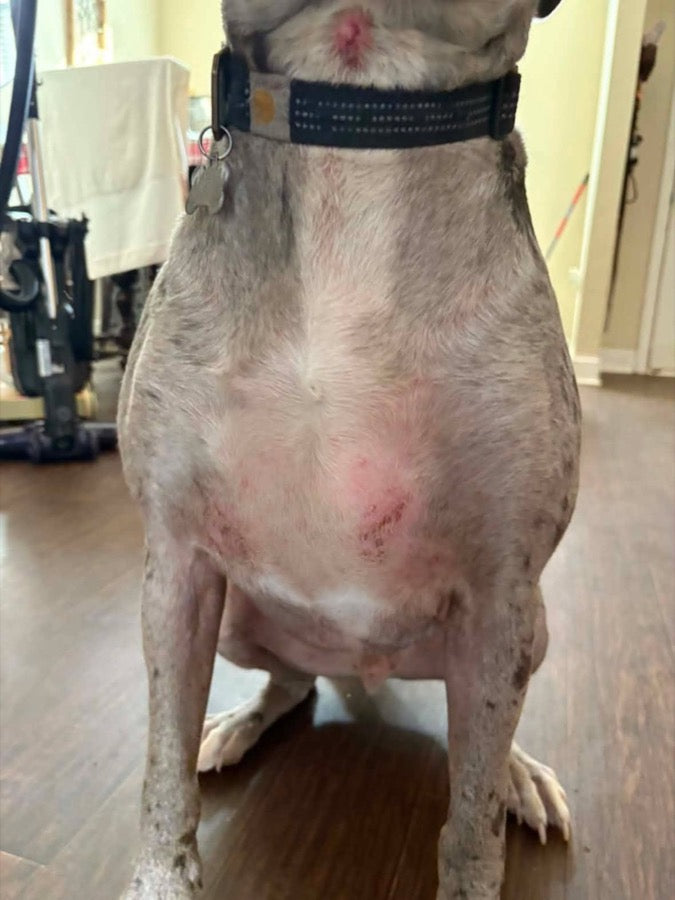
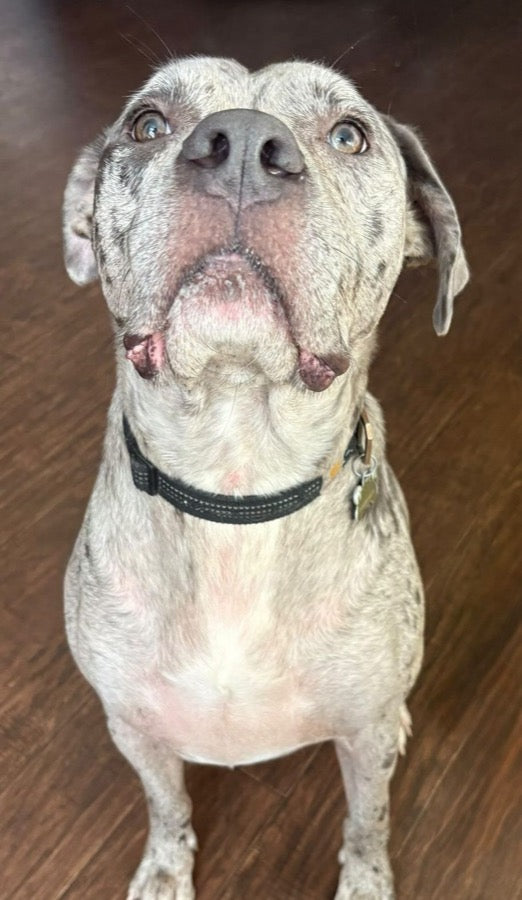
Itchy skin
“I was doubtful it would work.”
After more than a year of trying to calm Ranger’s itchy skin, MacKenzie almost didn’t try one more thing. Two bags of VitaDog Daily later, his coat was growing back and he was finally comfortable.
MacKenzie · Ranger’s owner
Try VitaDogIndividual results. VitaDog supports normal skin and coat health and is not a substitute for veterinary care.
Buying Dog Supplements on Amazon: What You Should Know First
Amazon is the default place most American shoppers look for almost anything, dog supplements included. The catalog is vast, the pricing is usually competitive, and Prime delivery is hard to beat for convenience.
But Amazon is structurally different from a curated retail marketplace, and that difference matters meaningfully for the supplement category specifically. The same listing can ship from the brand’s own warehouse, from a third-party seller, or from a fulfillment center where products from multiple sellers are commingled. Counterfeits, expired stock, and gray-market goods are a real category-wide issue. Reviews can be gamed at scale.
This guide is the honest take on what to expect when buying dog supplements on Amazon. What works well, what doesn’t, how to spot legitimate listings versus risky ones, and which categories are better bought elsewhere.
How Amazon Actually Works for Pet Supplements
Three different fulfillment models on Amazon, each with different quality implications:
1. Sold and shipped by Amazon
Amazon is the seller of record. Inventory comes through Amazon’s wholesale supply chain, often direct from the manufacturer. Generally the cleanest fulfillment path, with the lowest counterfeit risk.
How to identify: “Sold by Amazon.com” appears on the product listing.
2. Sold by third-party seller, fulfilled by Amazon (FBA)
Third-party seller owns the inventory but ships through Amazon’s warehouse network. This is where the “commingling” issue arises: Amazon’s fulfillment centers can pool identical-SKU products from multiple sellers, meaning the unit you receive may not have come from the seller you bought from.
How to identify: “Sold by [third-party name], Fulfilled by Amazon” appears on the listing.
The implication: even if you buy from a legitimate seller, your specific unit may have been pooled with inventory from a less reputable seller. This is the source of most authenticity issues with Amazon supplements.
3. Sold and shipped by third-party seller (FBM)
Third-party seller handles both inventory and shipping. Quality entirely depends on the specific seller. Some are excellent (manufacturer-owned storefronts); some are problematic (gray-market resellers, expired inventory, counterfeit operations).
How to identify: “Sold by [name], Ships from [name]”, both fields are non-Amazon.
For dog supplements specifically, the “Sold by Amazon” option is the lowest-risk path, “FBA” is moderate-risk, and pure third-party fulfillment is highest-risk.
The Counterfeit and Authenticity Problem
This is the supplement-specific issue most owners don’t realize exists.
The scope of the problem
Counterfeit and gray-market dog supplements on Amazon have been a documented issue for over a decade. The mechanism is straightforward:
- Counterfeit operations manufacture products mimicking premium brands
- Products are listed on Amazon at slight discounts to legitimate listings
- FBA commingling means even buyers paying full price from the legitimate seller can receive counterfeit units
- Customer reviews can’t always distinguish (the dog ate it without obvious reaction; effects of supplements take weeks)
Premium joint supplements (Cosequin DS, Dasuquin vs Cosequin), prescription-grade fish oils (Nordic Naturals), and high-end probiotic brands have all had documented counterfeit issues on Amazon at various points.
Why the manufacturers care
Many premium supplement manufacturers have stopped selling on Amazon entirely or restricted authorized sales because of the authenticity issues. When you see a brand explicitly stating “we do not sell on Amazon” on their website, this is usually the reason.
Examples of brands that have publicly distanced from Amazon for authenticity reasons over the years include several human supplement brands (Thorne, Pure Encapsulations historically) and a growing number of pet supplement DTC brands.
How to spot a problematic listing
Red flags to watch for:
- Price meaningfully below the manufacturer’s website price, counterfeit pricing is the most common warning sign
- Multiple sellers under the same listing with widely varying prices
- No “Brand: [Name] Authorized Retailer” badge on the listing
- Recent reviews complaining about packaging changes, color differences, or texture differences versus past purchases
- Very high review counts on relatively new listings (review-buying signal)
- Generic “5 stars, my dog loves it!” reviews dominating with few detailed mid-range reviews
Green flags:
- “Sold and shipped by Amazon” with the brand name as the manufacturer
- “Brand Store”, manufacturer-owned Amazon storefront with their full catalog
- Pricing within 5% of manufacturer’s website
- Recent specific reviews mentioning batch numbers, expiration dates, or packaging details
The Review Problem
Amazon reviews have well-documented manipulation issues across categories. For pet supplements specifically:
Review buying
Many small-to-mid-sized supplement brands have purchased reviews to boost early product launches. The Federal Trade Commission has taken action against several pet supplement companies for fake review schemes.
Review pool migration
Amazon allows brands to migrate reviews across product variants and updates. A “1,000+ reviews” listing may include reviews from previous formulations, different sizes, or even different products entirely. The review count is not always tied to the specific product you’re considering.
Verified purchase ≠ verified quality
A review marked “Verified Purchase” only means the reviewer bought through Amazon. It doesn’t mean they actually used the product, gave it long enough to evaluate, or received an authentic unit (per the counterfeit issue above).
Slow-onset issues underweighted
For pet supplements, many quality issues manifest over weeks or months, for example, brewers yeast in a chew slowly worsening a dog’s itch over 6 to 8 weeks. These slow-onset issues rarely show up in reviews because customers don’t connect the timing.
What’s Reasonably Safe to Buy on Amazon
Amazon works fine for many pet products. The category-by-category honest answer:
Generally safe
- Mass-market dog food (Pedigree, Purina, Hill’s Science Diet) where the supply chain is too consolidated for counterfeiting to be economic
- Routine supplies (beds, crates, leashes, bowls, grooming tools)
- Toys and chews from named brands with consistent SKUs
- Treats from major brands
Buy with caution
- Supplements from premium brands, verify the listing is sold by Amazon or by an authorized retailer
- Prescription-grade omega-3 (Nordic Naturals, Carlson), counterfeit risk is real
- Joint supplements (Cosequin, Dasuquin), counterfeit risk is real
Better bought elsewhere
- Premium DTC supplement brands that don’t authorize Amazon sales, buy direct from the brand
- Veterinary prescription medications, Chewy Pharmacy or your vet’s pharmacy is more reliable
- Fresh food and refrigerated products, temperature management on Amazon is inconsistent
- Newly released or recently reformulated products, review pools are unreliable for these
How to Buy Supplements on Amazon If You Have To
If you’re going to buy a dog supplement on Amazon, the practical process:
1. Verify the brand sells on Amazon. Check the brand’s official website. If they don’t list Amazon as a retailer, anything on Amazon is third-party and likely problematic.
2. Buy from the brand’s own Amazon storefront. “Visit the [Brand] Store” links from the listing usually take you to the manufacturer’s authorized storefront.
3. Check the seller field. “Sold by Amazon.com” or “Sold by [Brand Name] Official” is what you want.
4. Compare to manufacturer pricing. If the Amazon price is more than 10% below the manufacturer’s website, suspect counterfeit.
5. Inspect the package. When the product arrives, check seals, batch numbers, and expiration dates against known authentic units. Photograph anything unusual.
6. Verify with the manufacturer if uncertain. Most premium brands will confirm whether a specific batch number is authentic if you contact customer service.
7. Use Amazon’s return process if anything is off. Amazon’s return policy is one of its real strengths. Use it for any suspect product.
VitaDog and Direct-From-Brand Buying
Some premium dog supplement brands have chosen not to sell on Amazon at all, partly because of the authenticity and gray-market issues described above, partly to maintain control over the customer experience.
VitaDog is currently sold direct through vitadognutrition.com and through Chewy. Not on Amazon. This is intentional. The Amazon supply chain creates real complications for premium DTC brands trying to ensure every customer receives an authentic, in-date product with the brand’s full educational and customer-service experience around it.
If you’ve been searching for VitaDog on Amazon and not finding it, that’s why. The buying paths are direct subscription through the brand’s website (subscribe-and-save pricing, full educational content, brand customer service) or through Chewy autoship. Both deliver authentic product through clean supply chains.
For the broader supplement comparison, see Best All-In-One Dog Supplement. For Chewy specifically, see Chewy for Dog Owners.
Amazon vs Chewy vs Direct: Quick Comparison
Frequently Asked Questions
Are dog supplements on Amazon real or fake?
The majority are real. The minority that aren’t is a real ongoing issue, especially for premium brands. Buying through “Sold by Amazon” listings or the manufacturer’s authorized Amazon storefront is the safest path. Buying through unfamiliar third-party sellers, especially at discount pricing, is the riskiest.
Why is dog food cheaper on Amazon than in stores?
Amazon’s distribution model and Subscribe & Save discount can produce real savings on commoditized products like mainstream dog food. The savings are smaller for niche or premium products, where brand pricing power is stronger.
Is Subscribe & Save worth it for dog supplements?
Subscribe & Save offers 5 to 15% off (depending on how many subscriptions you maintain), which can be meaningful. The catch is the same as Chewy autoship: you should validate a product before enrolling, and audit your active subscriptions every 6 months. The discount is real but doesn’t mitigate the underlying counterfeit risk for premium supplements.
How do I know if my dog’s supplement from Amazon is real?
Compare packaging to authentic units (photos on the manufacturer’s website often help), check seals and batch numbers, verify the listed seller is either Amazon or the manufacturer’s authorized storefront, and contact the manufacturer with the batch number if uncertain. Most premium brands will verify authenticity when contacted.
Why do some brands not sell on Amazon?
Counterfeit and gray-market control is the primary reason. Premium brands have lost real revenue and customer trust to fake products on Amazon. Some maintain direct-only sales channels to ensure every customer receives an authentic unit through a clean supply chain.
Is it OK to buy Cosequin or Dasuquin on Amazon?
Cosequin and Dasuquin authentic listings exist on Amazon, but counterfeit reports for these specific products have been documented. Buying through “Sold by Amazon” listings or the Nutramax authorized storefront is recommended. Buying through unfamiliar third-party sellers is risky for these specific brands.
Can I buy prescription dog medications on Amazon?
Generally not the best choice. Amazon Pharmacy is human-focused; veterinary prescription handling through Amazon is inconsistent. Chewy Pharmacy or your vet’s pharmacy is more reliable for canine prescriptions.
What’s the best place to buy premium dog supplements?
Direct from the brand or through Chewy is generally cleaner than Amazon for premium brands. The brand’s own subscription typically offers the best total value (educational content, customer service, authentic supply chain) for premium DTC brands like VitaDog. For mainstream brands available across multiple retailers, comparing prices makes sense.
Broader Context
- Chewy for Dog Owners, Chewy-specific buyer’s guide
- Best All-In-One Dog Supplement, broader brand comparison
- Do Dogs Need Supplements, baseline evaluation before any purchase
Educational content only. This article is not veterinary advice. Always consult your veterinarian before starting, changing, or stopping any supplement, especially if your dog has a medical condition, is pregnant, or is on medication.


