
My Dog's Butt Smells Like Fish: The Anal Gland Problem...
If the fishy smell is coming specifically from your dog's rear end, you've found the right article. The smell is unmistakable: sharp, fishy, lingering:

If the fishy smell is coming specifically from your dog's rear end, you've found the right article. The smell is unmistakable: sharp, fishy, lingering: and it's almost always one specific issue: the anal glands.
This guide covers exactly what anal glands are, why they go wrong, what to do at home, when to call the vet, and how to keep the problem from recurring.
For the broader picture of fishy smells coming from anywhere on the dog, see our hub article: Why Does My Dog Smell Like Fish.
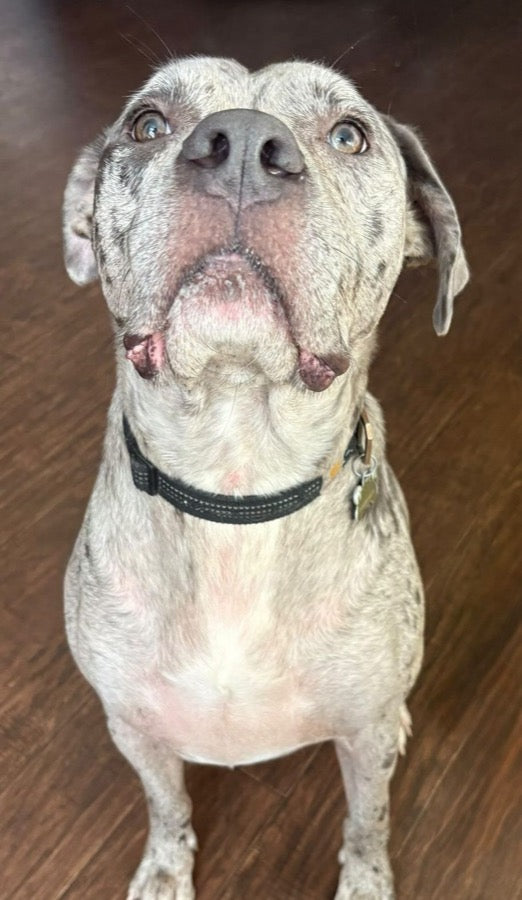
 A VitaDog customer story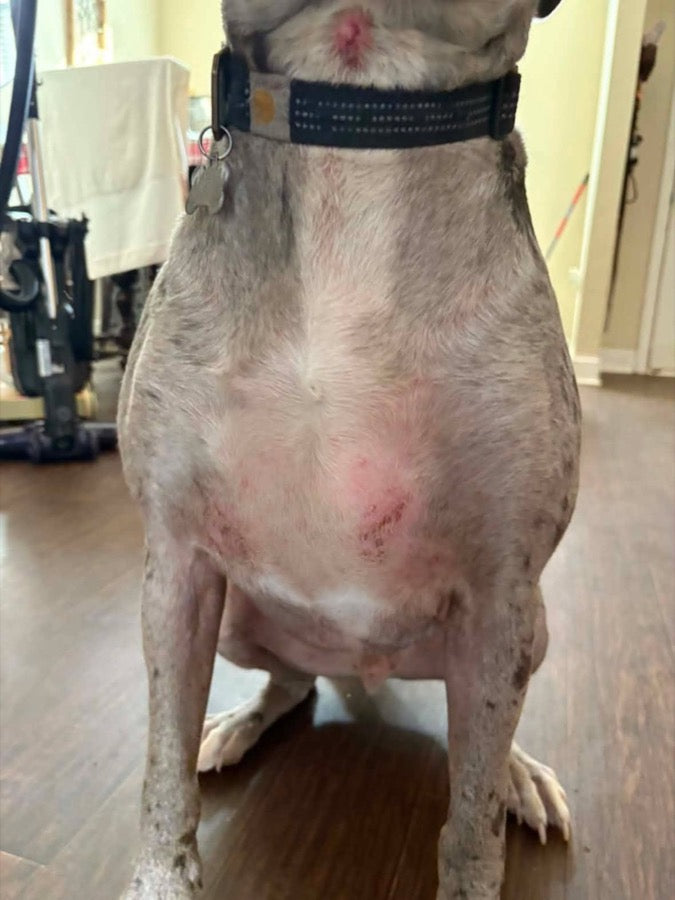
Itchy skin
“I was doubtful it would work.”
After more than a year of trying to calm Ranger’s itchy skin, MacKenzie almost didn’t try one more thing. Two bags of VitaDog Daily later, his coat was growing back and he was finally comfortable.
MacKenzie · Ranger’s owner
Try VitaDogIndividual results. VitaDog supports normal skin and coat health and is not a substitute for veterinary care.
What Anal Glands Actually Are
Dogs have two small scent glands sitting just inside the anus, at roughly the 4 o'clock and 8 o'clock positions. They're each about the size of a pea in a small dog, slightly larger in big breeds. They produce a brownish, oily fluid with a distinctive smell that dogs use for territorial marking and individual identification.
When everything works normally, the glands express small amounts of fluid every time the dog defecates. The pressure of firm stool passing through naturally squeezes the glands, releasing fluid into the environment as part of normal scent communication.
When that natural expression doesn't happen properly, fluid backs up. The fluid becomes thicker, darker, and increasingly smelly. That's what your nose is detecting: backed-up anal gland fluid.
Why Anal Glands Go Wrong
The mechanism is almost always the same: stool isn't firm enough to express the glands during defecation. Several causes feed into this:
1. Soft stool consistency
The single biggest factor. Soft stool, even just slightly soft, doesn't apply enough pressure during defecation to express the glands. Over days and weeks, fluid accumulates.
Common causes of chronic soft stool: food sensitivities (chicken, beef, dairy, wheat are top suspects), gut dysbiosis (often from antibiotic history), low-fiber diets, and frequent food changes without proper transition.
2. Small breed predisposition
Some breeds are anatomically more prone to gland issues:
Chihuahua
Pug
French Bulldog
Shih Tzu
Cocker Spaniel
Basset Hound
Toy and Miniature Poodle
Cavalier King Charles Spaniel
The combination of body size, gland positioning, and often-soft stool patterns makes these breeds frequent visitors to the groomer for gland expression.
3. Obesity
Excess tissue around the anus changes the mechanical positioning of the glands and reduces the natural expression that should happen during defecation. Overweight dogs of any breed are more prone to chronic gland issues.
4. Anatomical variation
Some dogs are simply built for persistent gland issues. The duct that carries fluid out of the gland can be naturally narrow or oddly angled, making natural expression difficult regardless of stool consistency.
5. Diet sensitivity
Dogs with chronic GI sensitivity to specific ingredients (commonly chicken, beef, dairy, wheat, or brewers yeast in chew-format treats and supplements) often have persistently variable stool consistency. Variable stool drives variable gland expression, drives backup, drives smell.
The Severity Spectrum
Anal gland issues progress through identifiable stages:
Stage 1: Full glands (mild)
Glands fill up but aren't yet problematic. You might smell a faint fishy odor when the dog gets stressed or excited, because stress triggers spontaneous partial expression. Mild scooting occasionally.
Home manageable: increase fiber, switch to a brewers-yeast-free probiotics, monitor.
Stage 2: Impacted (moderate)
Fluid in the gland thickens and the duct becomes blocked. Persistent fishy smell. Regular scooting, licking at the base of the tail, reluctance to sit, sitting down abruptly.
Groomer or vet expression typically resolves stage 2 within minutes. Cost is usually $15 to $30.
Stage 3: Infected (call vet)
Bacteria proliferate in the trapped fluid. Gland becomes swollen, warm, painful. The dog may show pain when sitting or being touched near the rear. Sometimes visible swelling on one or both sides of the anus.
Vet visit needed: typically requires expression plus antibiotics.
Stage 4: Abscessed (vet now)
Infection progresses to abscess formation. Visible swelling becomes red and inflamed. Significant pain. Sometimes systemic signs (fever, lethargy).
Same-day vet visit: typically requires drainage, antibiotics, sometimes pain management.
Stage 5: Ruptured (vet now)
Abscess breaks through the skin near the anus. You'll see an open wound, often with bloody or purulent discharge. The dog is usually in significant pain.
Same-day vet visit: requires wound management, antibiotics, sometimes surgery, and pain control.
Signs of Anal Gland Problems
The cluster of signs to watch for:
A single episode of scooting after a soft stool isn't an emergency. Persistent scooting plus fishy smell plus any of the other signs warrants action.
What to Do at Home
For mild cases (stage 1 to early stage 2):
1. Add fiber to firm up stool
This is the highest-leverage home intervention. Plain canned pumpkin (not pie filling) at 1 to 2 tablespoons per 25 lbs body weight per meal does more for gland expression than anything else you can do at home. The soluble fiber bulks up stool, applying the pressure needed for natural expression during defecation.
Alternative fiber sources: psyllium husk, ground flaxseed, beet pulp, butternut squash. Pumpkin is the most palatable for most dogs.
2. Multi-strain probiotic with prebiotic
Daily probiotic support over 4 to 8 weeks normalizes stool consistency, the underlying lever for gland health. Critical: pick a brewers-yeast-free product. Brewers yeast in chew-format probiotics (FortiFlora, PetLab, others) can drive cross-reactive issues that worsen the chronic GI patterns underlying gland problems.
Synbiotic formulations (probiotic + prebiotic) outperform probiotic-only.
3. Warm compress
Apply a warm (not hot) wet washcloth against the rear end for 5 to 10 minutes, twice daily. Helps soften any partial impaction and relieves discomfort. Most dogs tolerate this well, especially with treats during.
4. Watch the poop
Stool should be formed enough to hold its shape and have a slight resistance to compression. "Soft-serve" consistency is the core problem. Pellet-hard stool is also problematic (over-firm stool can scratch the gland duct on exit).
5. Weight management
If your dog is overweight, this is the single most impactful long-term fix in small breeds with chronic gland issues. Even a 10 to 15% body weight reduction often resolves chronic gland problems entirely.
When to Call a Groomer or Vet
Groomer expression is appropriate for stage 1 to stage 2 issues:
Persistent fishy smell after 3 to 5 days of fiber support
Regular scooting that isn't responding to home care
Dog visibly uncomfortable but no swelling or pain
Most groomers offer gland expression as a $15 to $30 add-on. Some only vets will do it depending on your region and the groomer's training.
Vet visit needed for:
Visible swelling, redness, or wound near the anus
Blood or pus
Dog showing significant pain
Fever or lethargy
Recurrent issues (more than 3 to 4 expressions per year)
Chronic gland issues that aren't responding to dietary changes
Should I Express the Glands at Home?
Technically yes, practically not recommended for most owners.
Why home expression is risky:
If your dog has chronic gland issues and you've been specifically shown the technique by your vet, home expression can be appropriate. Otherwise, outsource it.
Long-Term Prevention
For dogs prone to recurring gland issues, the durable fix isn't more expressions: it's fixing the underlying drivers:
Diet consistency
Stable diet without frequent changes. If your dog has identified food sensitivities, strict avoidance. Audit for brewers yeast in chew-format treats and supplements; it can drive chronic GI variability in sensitive dogs.
Daily fiber
Consistent fiber intake produces consistent stool consistency. Pumpkin is the easiest delivery. A daily formula that includes inulin and pumpkin in the prebiotic substrate handles this without a separate fiber supplement.
Multi-strain probiotic
Daily multi-strain probiotic with prebiotic for sustained gut microbiome support. Brewers-yeast-free for sensitive dogs.
Weight management
Single highest-leverage intervention in small breeds with chronic gland issues.
Regular expression schedule
For dogs with persistent anatomical predisposition, every 4 to 8 weeks at the groomer is often more practical than chasing the issue.
Consider gland removal in severe chronic cases
For dogs with recurrent abscesses or ruptures despite all the above, surgical anal gland removal (anal sacculectomy) is sometimes appropriate. Discuss with vet: not first-line, but a real option for severely affected dogs.
The Daily Foundation for Gland Health
VitaDog's daily formula supports the two main levers for anal gland health in one product:
For dogs with chronic gland issues, this addresses the stool consistency lever and the gut wall inflammation lever simultaneously, in one daily addition. Inside the all-in-one dog supplement.
Why does my dog's butt smell like fish?
Almost always anal gland issues. The glands produce a brownish oily fluid with a sharp fishy smell, used for territorial marking and individual identification. When the glands aren't expressing naturally during defecation, fluid backs up and the smell intensifies. Other rear-end fishy smell sources are uncommon by comparison.
How do I get rid of my dog's fishy butt smell?
Address the underlying gland issue. Add fiber (pumpkin), start a brewers-yeast-free multi-strain probiotic, manage weight if applicable, and have a groomer or vet express the glands if needed. Bathing alone doesn't fix it: the smell will return within hours unless the underlying gland issue is resolved.
Why does my dog smell fishy when scared or excited?
Stress and excitement can trigger spontaneous partial anal gland expression. A startled dog releasing a small amount of gland fluid is normal: wild canids do the same thing. If the smell is fleeting (passes within a few minutes) and your dog isn't showing other gland-issue signs, this is normal behavior. Persistent fishy smell is not.
Can I express my dog's glands at home?
Technically yes, but not recommended for most owners. Improper expression can injure the duct or fail to fully empty the gland. Groomers and vets charge $15 to $30 for the procedure. Worth the outsource unless your vet has specifically taught you the technique for your dog.
How often should anal glands be expressed?
Healthy dogs shouldn't need manual expression: the glands should empty naturally during defecation. For dogs with chronic gland issues that haven't been resolved through diet and weight management, every 4 to 8 weeks is typical. More frequent than monthly suggests the underlying issue isn't being addressed.
Will probiotics help with anal gland problems?
Indirectly, yes. Multi-strain probiotics with prebiotic over 4 to 8 weeks normalize stool consistency, which is the underlying lever for natural gland expression. Probiotics don't directly affect the glands themselves, but they often resolve the chronic gland issue by fixing what's driving it.
Does my dog's diet cause anal gland issues?
Often, indirectly. Diets that produce soft, variable, or low-bulk stool drive gland issues. Common dietary contributors: food sensitivities (chicken, beef, dairy, wheat), low-fiber diets, frequent food changes, brewers yeast in chew treats and supplements. Address the dietary trigger and gland issues often resolve.
When is anal gland surgery appropriate?
For dogs with recurrent abscesses or ruptures despite consistent dietary management, weight management, and regular expression. Anal sacculectomy (surgical gland removal) is a reasonable last-resort intervention. Not first-line, but a real option for severely affected dogs whose quality of life is impacted.
Broader Context
Why Does My Dog Smell Like Fish, the broader hub on fishy smells
Home Remedies for Dog Diarrhea, stool consistency context
Educational content only. This article is not veterinary advice. Always consult your veterinarian before starting, changing, or stopping any supplement, especially if your dog has a medical condition, is pregnant, or is on medication.


