
Home Remedies for Dog Diarrhea: 8 Safe Fixes (2026 Guide)
Dog diarrhea home remedies: 24-hour bland diet, fiber, probiotics that work fast. When to escalate to a vet. Plus VitaDog's 8-strain daily probiotic.

Most dog diarrhea is self-limiting. A dietary indiscretion, mild stress, or a change in food, and the dog is back to normal within 24 to 48 hours. For those cases, home remedies can meaningfully shorten the recovery window, with a vet visit reserved for the red-flag symptoms listed below.
The trick is knowing which cases are self-limiting vs which ones are the opening symptom of something serious - parvovirus, pancreatitis, toxin ingestion, or an obstruction. The wrong call turns a treatable problem into an emergency.
This guide gives you the decision framework plus the remedies that actually work, ranked honestly by evidence.
 A VitaDog customer story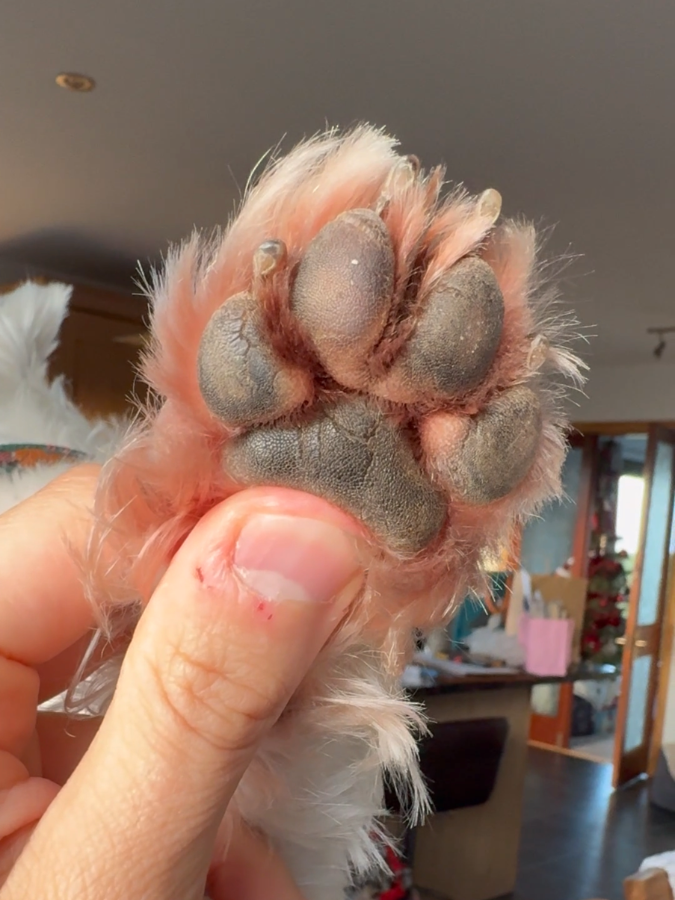
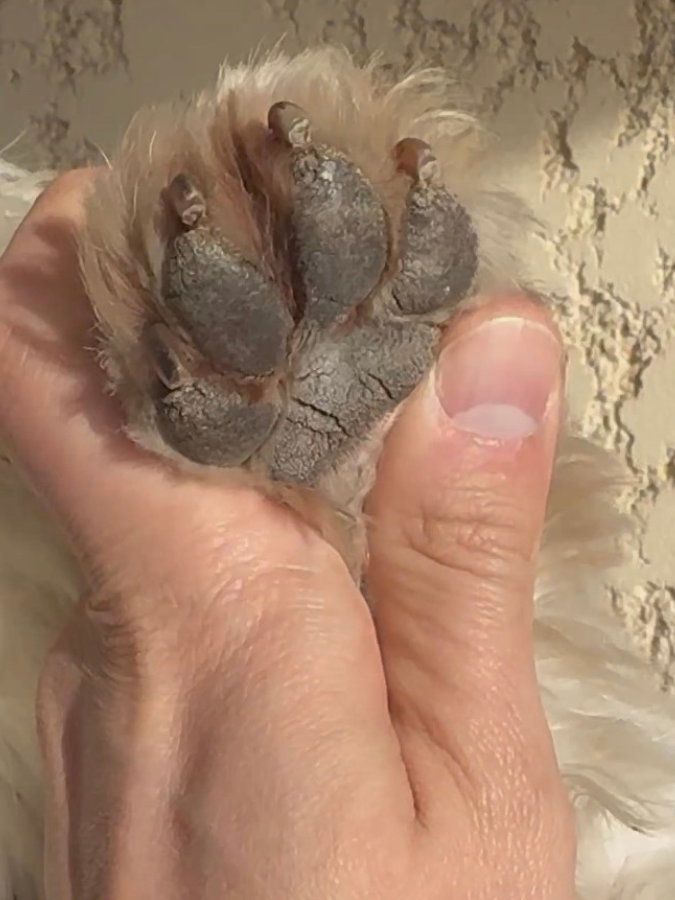
Itchy paws
“I half-believed it. Three weeks later, I’m a convert.”
Brian had tried almost everything for Hector’s itchy, stained paws. He found the VitaDog blog, read it end to end, and only half-believed it, but gave it a shot. Within three weeks the licking had calmed and the rust-colored staining was clearing. Now he won’t switch his 2-year-old Westie to anything else.
Brian · Hector’s owner
Try VitaDogIndividual results. VitaDog supports normal skin and coat health and is not a substitute for veterinary care.
Decision Tree: Home Care or Vet Visit?
Safe to try home care if ALL of these apply:
Dog is otherwise alert and hydrated
Loose stool but not watery pure liquid
Eating and drinking normally (or with mild appetite reduction)
No vomiting, or just 1 to 2 episodes that resolved
No blood in stool
No severe abdominal pain (dog isn't tensing up or bloated)
First 24 to 48 hours of diarrhea only
Healthy adult dog (not a young puppy, not a senior with comorbidities)
Go to the vet immediately if ANY of these apply:
The blood and vomiting combo especially should get you moving. Hemorrhagic gastroenteritis (HGE) can kill a dog in 24 hours through dehydration alone.
Clinical reference: Merck Veterinary Manual on digestive disorders.
The 24-Hour Fasting Question
Older advice: fast your dog for 12 to 24 hours when diarrhea starts. This is no longer the consensus recommendation.
Current veterinary thinking:
Better practice: skip the next meal, then transition to a bland diet rather than going back to normal kibble immediately.
The Bland Diet Protocol
The single most effective intervention for mild canine diarrhea is a 2 to 4 day bland diet. This gives the gut a break from hard-to-digest food while staying nourished.
The classic recipe
Alternatives if chicken doesn't work
Boiled lean ground turkey
Boiled lean white fish (cod, pollock)
Boiled scrambled egg (no oil, no butter)
Plain cottage cheese in small amounts
Clinical reference: VCA Hospitals on diarrhea in dogs.
Feeding schedule
Small meals every 4 to 6 hours instead of full meals twice a day
Total daily volume: about 75% of normal feeding
Gradually transition back to normal food over 3 to 5 days once stool firms up
Most mild diarrhea resolves within 24 to 48 hours on bland diet alone.
Tier 1: Genuinely useful
Plain canned pumpkin (unsweetened, not pie filling)
Pumpkin's soluble fiber absorbs excess water in the gut and firms up stool. Ironically it works for both diarrhea AND constipation: fiber regulates in both directions.
Dose by weight:
Under 15 lbs: 1 teaspoon
15 to 35 lbs: 1 to 2 tablespoons
35 to 75 lbs: 2 to 3 tablespoons
Over 75 lbs: 3 to 4 tablespoons
Mix into food or give directly. Effect is visible within 12 to 24 hours.
Multi-strain probiotics
A multi-strain canine probiotic or a dedicated acute-diarrhea product like FortiFlora or Proviable-Forte can meaningfully speed gut recovery. Effect is often visible within 2 to 3 days.
For long-term prevention of recurrent diarrhea, pick a probiotic without brewers yeast (FortiFlora and many chew-format probiotics include it as a "prebiotic" or binder, which can drive issues for sensitive dogs over months of daily use).
For comparison, see the FortiFlora review and Proviable comparison.
Bone broth
Plain bone broth (no onions, no garlic, no added salt) provides hydration with electrolytes and some protein without stressing the gut. Especially helpful for dogs that aren't drinking enough water during an episode.
Homemade or store-bought dog-safe broth both work. Offer 1/4 cup per 10 lbs body weight 2 to 3 times daily during active diarrhea.
Kaolin-pectin products
OTC dog-formulated kaolin-pectin products are effective stool binders. Read the label: the human version of Kaopectate was reformulated years ago to contain bismuth subsalicylate, which is NOT appropriate for every dog and toxic to cats. Pick a dog-specific product.
Slippery elm bark
A traditional remedy with genuine evidence. Slippery elm forms a mucilage that coats the gut lining, reducing irritation.
Dose: 1/4 teaspoon of slippery elm powder per 10 lbs body weight, mixed with a bit of water to form a paste, given 2 to 3 times daily during active diarrhea.
Tier 2: Modest or situational evidence
Plain yogurt
Some probiotic content, but low-dose and many dogs are mildly lactose-intolerant. Better options exist (dedicated probiotics). Not wrong to try, just not optimal.
Sweet potato
Similar to pumpkin (fiber regulation) but less well-studied. Use boiled or baked plain sweet potato if pumpkin isn't available.
Rice water
Boil rice in extra water, strain the liquid, offer it to the dog as a drink. The starchy water can modestly firm up stool. More useful for puppies or dogs that won't eat solid food.
Tier 3: Skip these
Imodium (loperamide). Some dogs tolerate it; some have serious reactions (Collies and related breeds with MDR1 gene mutation especially). Never give without vet guidance.
Pepto-Bismol. Contains bismuth subsalicylate, which is in the aspirin family. Unsafe for some dogs, absolutely toxic to cats in any amount. Skip unless your vet specifically dosed it.
Raw eggs, garlic, apple cider vinegar by mouth. Internet suggestions with no real evidence for acute diarrhea.
Human anti-diarrhea medications (any kind, really). Dosing and safety is different in dogs. Don't improvise.
Hydration: The Critical Piece
Diarrhea itself rarely kills dogs. Dehydration from diarrhea does.
Signs of dehydration:
Dry, tacky gums (healthy gums are wet and slippery)
Skin "tent" stays up when you pinch and release (healthy skin snaps back immediately)
Sunken-looking eyes
Lethargy, weakness
Reduced urination or very dark urine
Keep hydration support going throughout the episode:
Fresh water always available
Bone broth (see above)
Ice cubes (some dogs will lick ice when they won't drink water)
Offer small amounts frequently rather than one big bowl
Pedialyte (unflavored only) is safe for dogs in small amounts: 1/8 cup per 5 lbs body weight per day
If the dog refuses all liquids for 12+ hours, that's a vet visit regardless of other signs.
Clinical reference: Merck Veterinary Manual on stomach and intestinal disorders.
Root Cause Considerations
Most one-off diarrhea episodes are from dietary indiscretion (got into the trash, ate grass, new treat, table scraps), food change without proper transition, mild stress, or minor infectious agents the immune system clears on its own.
Recurrent or chronic diarrhea (more than 2 to 3 episodes a month, or loose stool most days) is a different problem. Common causes:
Food sensitivity or allergy
Chronic gut dysbiosis (often antibiotic-related)
Parasites (giardia, whipworms, others)
Inflammatory bowel disease
Pancreatic insufficiency
Thyroid issues (in older dogs)
Chronic diarrhea needs a workup, not home remedies on repeat.
Clinical reference: Merck Veterinary Manual on acute hemorrhagic diarrhea syndrome.
Prevention: What Lowers Recurrence
Long-term, the goal is gut resilience. Our 8-strain probiotic blend seeds beneficial flora, inulin prebiotic feeds them, and pumpkin fiber firms the stool, all in our all-in-one dog supplement. See also FortiFlora compared to multi-strain probiotics.
Daily multi-strain probiotic. Multi-strain canine probiotic supports gut resilience. Pick one without brewers yeast for long-term use.
Omega-3. Has anti-inflammatory effects in the gut lining.
Proper food transitions. When switching foods, always transition over 7 to 10 days (25% new for 3 days, 50% for 3 days, 75% for 3 days, 100%).
Limit table scraps. Especially fatty ones - they're a leading cause of pancreatitis-induced diarrhea.
Routine deworming. Every 3 to 6 months, or per your vet's protocol.
Stress management. Travel carriers, bland diets on kennel days, routine bedtime.
VitaDog's daily formula is built for gut resilience: an 8-strain probiotic at 1 billion CFU (L. acidophilus, L. plantarum, L. brevis, L. delbrueckii, L. fermentum, B. bifidum, E. faecium, B. subtilis) with inulin and pumpkin as prebiotic substrate. No brewers yeast. The four-oil blend (anchovy + flaxseed + evening primrose oil + MCT) provides anti-inflammatory omega-3 support for gut lining. Pumpkin (100mg) and liquorice root contribute to GI soothing and stool consistency. Inside the all-in-one dog supplement.
For deeper context on specific probiotic strains, see our lactobacillus strains for dogs guide.
What can I give my dog for diarrhea at home?
Plain canned pumpkin, a bland diet of boiled chicken and white rice, a multi-strain probiotic, and bone broth for hydration. Expect improvement within 24 to 48 hours for mild cases.
How long is too long for dog diarrhea?
Beyond 48 hours in an adult dog, or 24 hours in a puppy or senior, with consistent home treatment and no improvement, see the vet. Any diarrhea with blood, repeated vomiting, lethargy, or suspected toxin exposure warrants immediate veterinary attention regardless of duration.
Is it OK to give my dog Pepto-Bismol?
Not without specific vet guidance. Pepto contains bismuth subsalicylate, related to aspirin, which is inappropriate for some dogs and toxic to cats. Safer to use dog-specific kaolin-pectin products or wait for bland diet and probiotic to take effect.
Can rice stop dog diarrhea?
White rice is a core component of the bland diet protocol that works for mild diarrhea. It's easy to digest and doesn't irritate the gut. It's not a standalone cure: pair it with a bland protein (chicken, turkey) and usually a probiotic.
How much pumpkin can I give my dog for diarrhea?
1 teaspoon for small dogs (under 15 lbs), 1 to 2 tablespoons for medium dogs (15 to 35 lbs), 2 to 3 tablespoons for larger dogs. Use plain canned pumpkin, not pumpkin pie filling (which contains sugar and spices). Effect typically visible within 12 to 24 hours.
When should I worry about my dog's diarrhea?
Worry and act fast if you see blood, repeated vomiting, severe lethargy, dehydration signs, suspected toxin ingestion, or diarrhea persisting beyond 48 hours. Worry less about a single loose stool in an otherwise normal dog after a treat or mild stress.
Educational content only. This article is not veterinary advice. Always consult your veterinarian before starting, changing, or stopping any supplement, especially if your dog has a medical condition, is pregnant, or is on medication.
Related reading


