
Alopecia in Dogs: Complete Guide to Causes & Treatment
Alopecia in dogs: causes from hormonal to allergy-driven, vet diagnostics that matter, and the supplement strategy that actually regrows coat. Try VitaDog daily.

Part of our complete Dog Skin, Coat & Allergy Guide, see the full picture across yeast infections, allergies, hot spots, alopecia and supplement strategies.
 A VitaDog customer story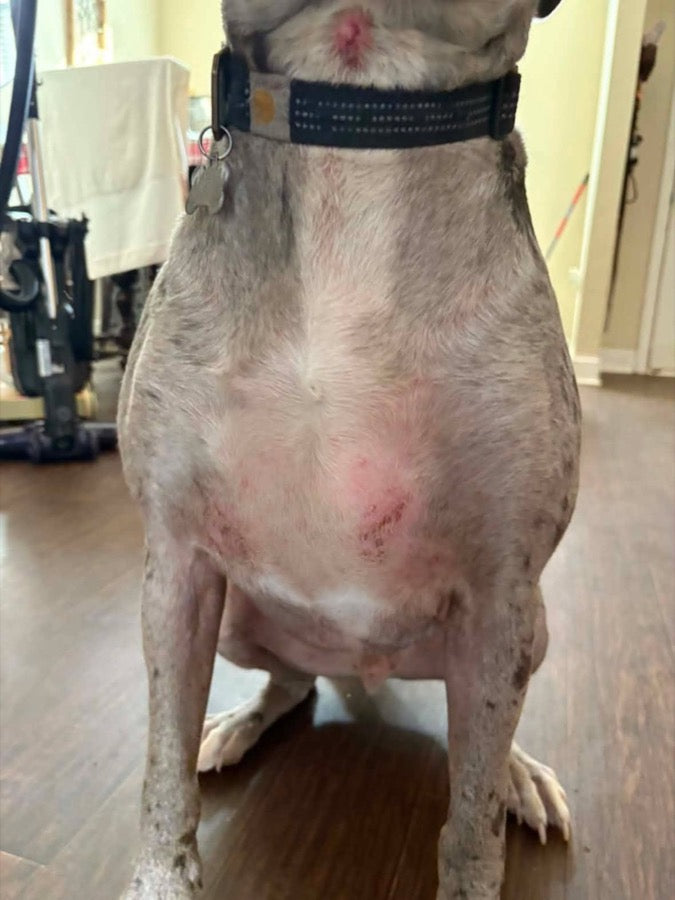
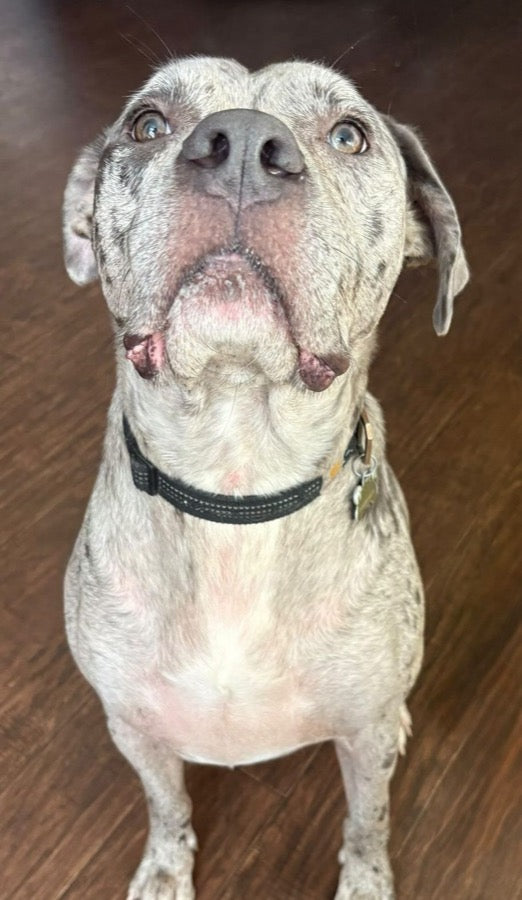
Itchy skin
“I was doubtful it would work.”
After more than a year of trying to calm Ranger’s itchy skin, MacKenzie almost didn’t try one more thing. Two bags of VitaDog Daily later, his coat was growing back and he was finally comfortable.
MacKenzie · Ranger’s owner
Try VitaDogIndividual results. VitaDog supports normal skin and coat health and is not a substitute for veterinary care.
Alopecia in Dogs: Causes, Treatments & Why It Matters
If your dog is losing hair in patches, thinning all over, or developing bald spots that don't seem to be going away, you're dealing with alopecia. The term itself just means hair loss, but the underlying causes range from completely benign to indicating something serious.
This guide covers what alopecia actually is, the most common causes in dogs, how to figure out which one applies to your dog, and what to do about it. The honest truth: most cases respond to identifying the trigger and treating the underlying issue, not to topical hair-regrowth tricks.
What Is Alopecia in Dogs?
Alopecia is the medical term for hair loss. In dogs it can present as:
It can affect any breed but is more common in:
Bulldogs and other brachycephalic breeds
Dachshunds, Greyhounds, Whippets (post-clipping alopecia, color dilution)
Northern breeds (Huskies, Malamutes) for seasonal flank alopecia
Doberman Pinschers and other breeds prone to hypothyroidism
Yorkies, Chihuahuas, and small breeds with color dilution
The Most Common Causes
1. Allergies (atopic dermatitis)
By far the most common cause of canine alopecia. Chronic itching leads to chronic scratching, which damages follicles and causes hair loss in the affected areas.
Patterns: paws, face, ears, belly, armpits. Often seasonal initially, then year-round. Often linked to food sensitivities, environmental allergens, or both. Brewers yeast in food, treats, or supplements is a common but under-recognized contributor in yeast-prone or atopic dogs because of cross-reactive immune effects.
Treatment: address the allergy (food trial, environmental management, prescription anti-itch meds when needed), support skin barrier function, treat secondary infections.
2. Parasites
Demodex mange (Demodex canis): hair loss in patches, often around the face and front legs in puppies. Can become generalized in immunocompromised dogs.
Sarcoptic mange (scabies): intense itching, often spreading to humans in the household. Hair loss from scratching plus mite damage.
Fleas: not direct hair loss but flea allergy dermatitis causes hair loss from compulsive scratching, especially around the tail base.
Treatment: prescription parasiticides (Bravecto, Simparica, NexGard, etc.) handle most parasitic causes. Demodex sometimes needs longer protocols.
3. Bacterial or fungal skin infections
Pyoderma: bacterial skin infection, often with circular hair loss patterns, redness, and pus.
Ringworm (despite the name, a fungus): circular patches of hair loss with red border, sometimes spreading to humans.
Yeast (Malassezia) overgrowth: greasy, itchy skin with hair loss in chronic cases.
Treatment: antibiotics for bacterial, antifungals for fungal, plus addressing underlying immune or barrier issues.
4. Hormonal causes
Hypothyroidism: classic symmetrical hair loss along the flanks and tail (sometimes called "rat tail"), weight gain, lethargy, dull coat. Most common in middle-aged to senior dogs of larger breeds.
Cushing's disease (hyperadrenocorticism): thin coat, pot belly, increased thirst and urination, panting, muscle weakness. Usually senior dogs.
Sex hormone imbalance: less common, sometimes seen in intact dogs with reproductive tumors.
Treatment: identify the specific hormonal issue with bloodwork, treat the underlying condition. Hair often regrows once the hormone is normalized.
5. Genetic and breed-specific
Color dilution alopecia: blue or fawn-colored Dobermans, Yorkies, Whippets, Chihuahuas. Hair shafts develop abnormally; gradual coat thinning.
Pattern baldness: Dachshunds (especially shorthairs), Chihuahuas. Symmetrical hair loss on ears, chest, belly. Cosmetic.
Seasonal flank alopecia: Boxers, Bulldogs, Schnauzers, Airedales. Cyclic hair loss usually winter, regrowth in spring/summer. Linked to melatonin and daylight cycles.
Post-clipping alopecia: Northern breeds (Huskies, Malamutes, Pomeranians) where coat sometimes doesn't regrow normally after shaving.
Genetic causes: management, not cure. Coat-supporting nutrition can help quality of remaining hair.
6. Stress, anxiety, and behavioral
Compulsive licking and chewing (acral lick dermatitis), often on a paw or leg. Chronic stress can also disrupt the hair growth cycle directly.
Treatment: behavioral modification, environmental enrichment, sometimes anxiety medication.
7. Nutritional deficiencies
Less common in dogs eating commercial diets but can occur with:
Zinc deficiency (especially Northern breeds)
Biotin deficiency (rare but possible)
Omega-3 and EFA deficiency
Severe protein malnutrition
Treatment: address the specific deficiency with supplementation and diet review.
How Vets Diagnose Alopecia
Most cases require a vet visit for diagnosis. Common diagnostic steps:
Some cases are visually obvious to an experienced vet; others require systematic workup. Don't DIY a chronic alopecia case.
What You Can Do at Home
While working through a diagnosis, these supportive measures help most cases:
Identify and remove triggers
Skin barrier support
quercetin for dogs for histamine and inflammatory response, especially useful for allergic alopecia
Gut microbiome support
Topical care
Behavioral support (for stress-driven cases)
When to Push for Veterinary Workup
See your vet promptly if:
Hair loss is progressing rapidly
Multiple areas affected
Symmetrical pattern (suggests hormonal cause)
Combined with weight gain, lethargy, increased thirst, or other systemic signs (hypothyroidism, Cushing's)
Skin is broken, bleeding, or showing signs of infection
Your dog is losing significant body coat (not just specific patches)
Dog is intensely itchy and home care isn't helping
Endocrine causes especially are missed for months by owners assuming "just shedding" or "normal aging." Dogs with hypothyroidism feel sluggish and gain weight along with the coat changes. Dogs with Cushing's drink and urinate excessively. Both are treatable, and treatment usually restores normal coat over 3 to 6 months.
What Won't Fix Alopecia
Be skeptical of:
These don't address the underlying cause, which is what determines whether hair grows back.
The Multi-Pathway Approach
Most cases of canine alopecia, even after specific medical treatment, benefit from comprehensive skin and gut support:
VitaDog's daily formula combines these in a single product: anchovy oil + flaxseed + evening primrose oil + MCT four-oil blend (the GLA from evening primrose oil is specifically evidence-backed for atopic skin), 8-strain probiotics at 1 billion CFU + inulin prebiotic with no brewers yeast, quercetin dihydrate for histamine and inflammatory support, and astragalus and liquorice root for adaptogenic and anti-inflammatory backup. Plus zinc proteinate, biotin, vitamin E, and full multivitamin coverage. For dogs with allergic, atopic, or yeast-driven alopecia, the absence of brewers yeast alone is a meaningful upgrade over chew-format competitors that include it.
See the daily dog multivitamin.
For related context, see Common Skin Conditions in Dogs and Remedies and Effective Dog Allergy Treatments.
Is alopecia in dogs serious?
Sometimes. Cosmetic alopecias (color dilution, pattern baldness) aren't medically serious but require management. Allergic, parasitic, infectious, and hormonal causes can be more consequential. Sudden or progressing alopecia with other symptoms (lethargy, weight changes) warrants a vet visit.
Can dog alopecia grow back?
Usually yes if the underlying cause is treated. Allergic, parasitic, infectious, hormonal, and nutritional causes often see complete coat regrowth over 3 to 6 months once the cause is addressed. Genetic alopecias (color dilution, pattern baldness) are typically permanent.
What deficiency causes hair loss in dogs?
Most commercial dog foods provide adequate nutrition, so dietary deficiency is uncommon as a primary cause. When it does occur, zinc deficiency (especially in Northern breeds), biotin deficiency, severe protein deficiency, or omega-3 fatty acid deficiency are the most common nutritional contributors.
Can stress cause hair loss in dogs?
Yes. Compulsive licking and chewing from anxiety can cause localized alopecia (acral lick dermatitis). Chronic stress can also disrupt the normal hair growth cycle directly.
Can brewers yeast cause hair loss in dogs?
Indirectly, yes, in sensitive dogs. Brewers yeast is a different species from skin yeast (Malassezia), but yeast-prone or atopic dogs frequently react to dietary brewers yeast through cross-reactive immune pathways. Itching and scratching driven by this reaction can lead to alopecia in chronic cases. Brewers yeast is a common ingredient in chew-format treats and supplements; worth auditing if your dog has a history of itchy or yeast-prone skin.
How long does it take for dog hair to grow back?
Variable. Trauma-related (post-surgical clipping, hot spot recovery) typically 4 to 8 weeks. Allergy-related, once allergies are controlled, 2 to 4 months. Hormonal causes (hypothyroidism, Cushing's), 3 to 6 months once treated. Northern breed post-clipping alopecia can take 6+ months or be permanent.
Should I shave my long-haired dog with alopecia?
Generally no. Shaving can worsen post-clipping alopecia in some breeds (Northern breeds especially) and removes the protective coat. If skin treatment requires access (medicated baths, topical medications), targeted clipping rather than full shaving is usually adequate.
Educational content only. This article is not veterinary advice. Always consult your veterinarian before starting, changing, or stopping any supplement, especially if your dog has a medical condition, is pregnant, or is on medication.


