
VitaDog vs Iron Paws: Honest Comparison 2026

2-minute fit check
Is this right for your dog?


The premium dog supplement category has exploded over the past two years, and both VitaDog and Iron Paws are part of the wave: powder formats, “human-grade” positioning, vet involvement, longevity framing. On the surface they look like cousins. Under the hood, they’re built differently.
This guide breaks down what’s actually in each, where they overlap, and which dog they each serve. The short version: if you want a one-pillar greens approach, Iron Paws is a defensible pick. If you want true multi-pathway daily support that addresses joints, gut, inflammation, pigment, and skin barrier in one serving, VitaDog is the stronger formulation.
Here’s the full breakdown.
 A VitaDog customer story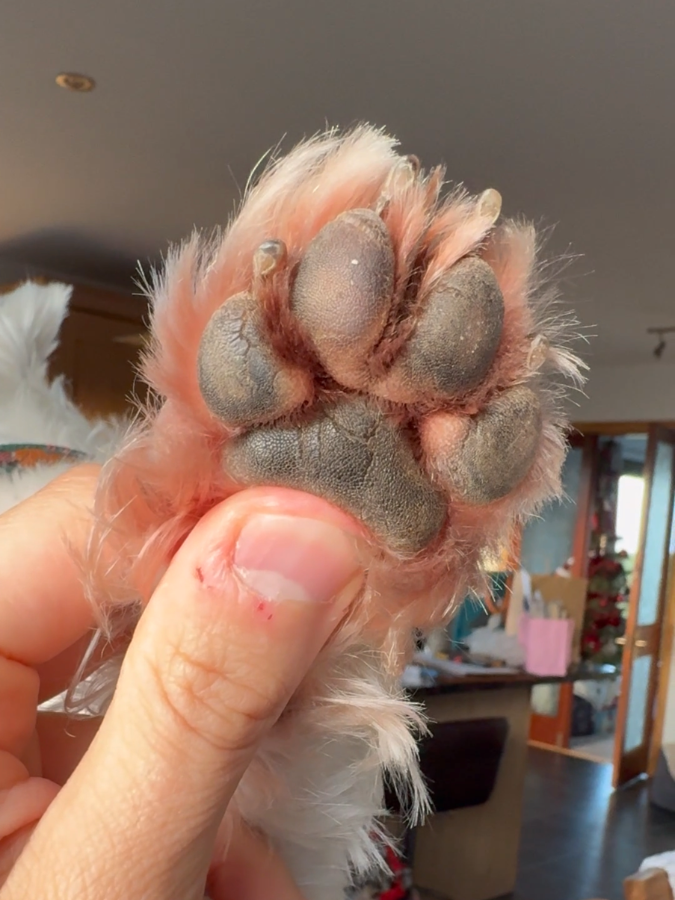
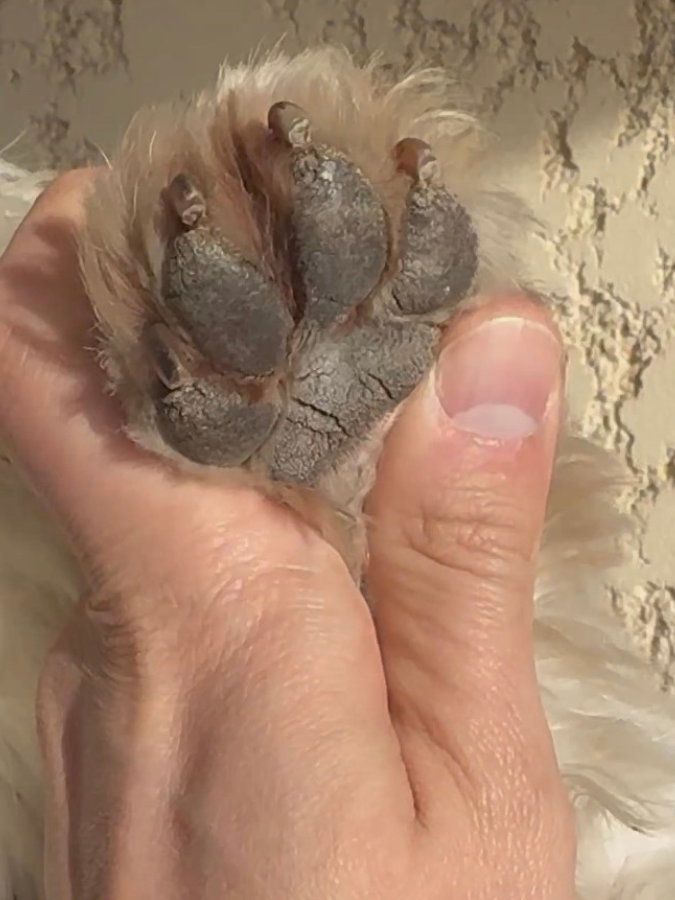
Itchy paws
“I half-believed it. Three weeks later, I’m a convert.”
Brian had tried almost everything for Hector’s itchy, stained paws. He found the VitaDog blog, read it end to end, and only half-believed it, but gave it a shot. Within three weeks the licking had calmed and the rust-colored staining was clearing. Now he won’t switch his 2-year-old Westie to anything else.
Brian · Hector’s owner
Try VitaDogIndividual results. VitaDog supports normal skin and coat health and is not a substitute for veterinary care.
Quick Comparison
| Category | VitaDog | Iron Paws |
|---|---|---|
| Format | Daily powder + fresh oil dropper | Daily powder (greens-based) |
| Active ingredients | 40+ | 19-20 |
| Joint support | Glucosamine HCl + MSM | Not in primary formula |
| Omega-3 | Anchovy + flaxseed + EPO + MCT (4-oil blend) | Not specified in formula |
| Probiotic | 8 strains at 1 billion CFU + inulin + pumpkin | Not specified |
| B12 form | Methylcobalamin (bioactive) | Not specified |
| Trace minerals | Chelated (proteinate, bisglycinate) | Greens-bound |
| Antioxidant layer | Quercetin, turmeric + piperine, rosemary, vitamins C/E | Greens-based (spirulina, chlorella, kale, spinach, wheatgrass, dandelion) |
| Brewer’s yeast | None | Yes |
| Servings per day | One | Two recommended for full benefit |
| Made in | USA, third-party tested | USA, FDA-registered facility, third-party tested |
What Each One Actually Is
VitaDog
VitaDog is a multi-pathway daily supplement with two components: a powder containing 40+ active ingredients and a fresh oil dropper providing the omega-3 and GLA fatty acid layer. The formula was built around five health pathways working together: joint support (glucosamine HCl + MSM), anti-inflammatory and antioxidant coverage (turmeric with black pepper extract, quercetin, astragalus, liquorice, rosemary, vitamins C and E), gut-immune support (8-strain probiotic at 1 billion CFU plus inulin and pumpkin prebiotic), nutritional foundation (full B-complex with methylcobalamin B12, chelated zinc, copper, manganese, plus vitamins A, D3, E), and skin and coat support (the four-oil blend providing EPA, DHA, ALA, GLA, plus biotin and zinc).
One scoop a day plus the oil dropper, sized to dog weight. The whole-dog approach in one serving.
Iron Paws
Iron Paws is a greens-based powder marketed as a “human-grade superfood” for dogs. The flagship is built around a core of green superfoods: spirulina, chlorella, kale, spinach, wheatgrass, dandelion, plus pumpkin seed, taurine, and a handful of additional botanical ingredients. The full list comes to 19 to 20 active ingredients.
The company was founded by Dr. Sharon MacIvor, DVM, and launched in February 2025. The formula is manufactured in an FDA-registered facility in New Jersey with third-party testing. Iron Paws recommends two servings per day for “maximum benefits.”

Where the Formulations Differ
The two products take fundamentally different approaches to canine wellness, and the differences matter more than the surface similarities suggest.
Joint support
VitaDog: Glucosamine HCl + MSM as a dedicated joint blend at meaningful doses, plus the anti-inflammatory antioxidant layer (turmeric with piperine, quercetin, rosemary) that supports joint comfort through inflammation reduction.
Iron Paws: No glucosamine, no MSM, no dedicated joint ingredients in the primary formula. The greens contribute some antioxidant support that indirectly helps inflammation, but there’s no cartilage-specific or connective-tissue support.
For senior dogs, large breeds, or any dog with mobility concerns, this is a significant gap. Joint support is one of the top three reasons owners buy daily supplements, and it isn’t present in the Iron Paws formula.
Omega-3 and fatty acid profile
VitaDog: Four-oil blend providing EPA and DHA from anchovy (small-fish source, lower heavy metal load), ALA from flaxseed, GLA from evening primrose oil, and MCT for absorption. Delivered as a separate fresh liquid oil dropper to protect the omega-3 from oxidation. Therapeutic-dose for skin barrier, anti-inflammatory effect, coat shine, and cognitive support.
Iron Paws: No omega-3 fish oil component disclosed in their public formula. Their greens include some alpha-linolenic acid (ALA, the plant form of omega-3), but two issues with this approach.
First: plant-ALA converts poorly to EPA and DHA in dogs. The bioactive omega-3 fatty acids (EPA and DHA) are not the same molecules as ALA. ALA has to be enzymatically converted to EPA and then to DHA inside the body, and the conversion rate in dogs is typically below 5%. To get meaningful EPA and DHA from plant ALA alone, a dog would need to eat an impractical amount of greens.
Second: liquid fish oil minimizes the bioavailability and oxidation issues that affect other delivery formats. Bioavailability of EPA and DHA varies meaningfully by physical form of delivery (Couëdelo et al. 2024, Nutrients), and marine oils incorporated into semi-solid carrier matrices oxidize measurably over shelf life (Hughes et al. 2012, Journal of Food Science). A fresh liquid oil in a sealed amber dropper sidesteps both effects.
For any dog with skin issues, dull coat, arthritis, or inflammatory concerns, omega-3 is one of the most well-evidenced single supplements. Iron Paws doesn’t deliver it in the bioavailable form. VitaDog does, in the format the canine research showed produces the strongest plasma response.
Probiotic and gut support
VitaDog: 8-strain probiotic at 1 billion CFU per daily serving, with two prebiotics (inulin and pumpkin). The strain panel includes Bacillus subtilis, Bifidobacterium bifidum, Enterococcus faecium, four Lactobacillus species (acidophilus, brevis, delbrueckii, fermentum, plantarum), targeting the full dysbiosis pattern most dogs face.
Iron Paws: No transparent probiotic strain or CFU disclosure on their public product information. The greens contribute fiber and some prebiotic effect, but a fiber-only approach is not the same as live probiotic supplementation.
The gut-immune axis is the foundation of so much canine health (70% of immune function lives in the gut) that this is a structural gap, not just a niche one.
B-vitamin form
VitaDog: Full B-complex including methylcobalamin B12, the bioactive form. Methylcobalamin matters more than cyanocobalamin for dogs with absorption issues, senior dogs, or any dog with elevated B-vitamin demand.
Iron Paws: B-vitamin content comes primarily from the greens (spirulina, wheatgrass, dandelion). The B-vitamins in greens are real but in modest amounts, and the form isn’t standardized or labeled. This is fine for a dog whose B-status is already adequate but inadequate for a dog with absorption issues, gut dysbiosis, or B12 deficiency.
Trace minerals
VitaDog: Chelated forms throughout: zinc proteinate, copper bisglycinate, manganese proteinate. Chelated minerals are absorbed substantially better than oxide or unbound forms, particularly important for senior dogs and dogs with reduced absorption.
Iron Paws: Minerals come from the greens (spirulina is a moderate source of iron and trace minerals, kelp ingredients sometimes contribute iodine). The bioavailability of plant-bound minerals is variable, and the exact mineral content isn’t dose-disclosed.
For dogs with mineral-deficiency-driven coat fading, skin issues, or pigment changes, the chelated form makes a measurable difference.
Brewer’s yeast
VitaDog: No brewer’s yeast in the formula. The inactive ingredients use peanut butter flavor, oat flour, peanut flour, whey protein concentrate, and xanthan gum as the palatant and binder system.
Iron Paws: Contains brewer’s yeast. This is a meaningful concern for dogs with atopic dermatitis, yeast-prone skin, recurring ear infections, or histories of cross-reactive itch. Brewer’s yeast in a “wellness” supplement can compound the exact problem many owners are trying to fix.
For dogs without any yeast or itch sensitivity, this isn’t a dealbreaker. For dogs with skin or coat issues, this single ingredient is reason enough to look elsewhere.
Where Iron Paws Holds Its Own
Iron Paws isn’t a bad product. A few things they get right:
Greens density. Spirulina, chlorella, kale, spinach, wheatgrass, and dandelion are legitimate antioxidant and micronutrient sources. For a dog whose diet is light on green vegetables and whose primary need is general antioxidant support, the greens base contributes something real.
Vet co-founder with a name. Dr. Sharon MacIvor, DVM, is the named formulator. Having a veterinarian publicly attached to the brand provides accountability that anonymous-formulator products don’t.
FDA-registered facility, third-party tested. Manufacturing quality is solid. The product is made to recognized standards with batch-level testing.
Donates to shelter dogs. A portion of sales goes to shelter support. This doesn’t affect the formulation but does affect the brand experience.
Powder format. Like VitaDog, Iron Paws skipped the soft-chew format that comes with the brewer’s yeast and the heat-processing damage to delicate actives. Powder has a higher dose ceiling and avoids the oxidation issues that chews face with omega-3.
These are real positives. They just don’t change the underlying formulation gap.

Where VitaDog Wins (And Why It Matters)
Five places where VitaDog’s formulation does what Iron Paws can’t:
Joint stack. Glucosamine HCl + MSM is missing from Iron Paws entirely. Any dog with mobility concerns, any senior, any large breed, gets meaningful support from VitaDog that they don’t from Iron Paws.
Real omega-3 at therapeutic dose. The four-oil blend (anchovy + flaxseed + EPO + MCT) delivers EPA, DHA, ALA, and GLA. Iron Paws delivers some ALA from plant sources but not the EPA and DHA that drive skin, coat, and anti-inflammatory benefit.
Live probiotic at meaningful CFU. 8 strains at 1 billion CFU plus prebiotic versus an undisclosed greens-fiber approach. Live probiotics and dietary fiber are not interchangeable for gut-immune outcomes.
Multi-pathway depth. VitaDog hits joint, gut, anti-inflammatory, antioxidant, B-complex, mineral, and skin-barrier pathways. Iron Paws hits antioxidant and micronutrient pathways via greens. For owners looking for “the one supplement,” VitaDog covers more of what dogs actually need.
No brewer’s yeast. For yeast-prone, itchy, or atopic dogs, this is the single biggest formulation difference between the two.
Cost Comparison
Both products are direct-to-consumer with subscription discounts. Iron Paws recommends two servings per day for “maximum benefits,” which doubles their effective monthly cost for any dog whose owner takes that recommendation seriously.
VitaDog is one daily serving covering all five pathways. For most dogs, this also replaces a separate fish oil, separate joint supplement, separate probiotic, and separate multivitamin, which collectively run $50 to $90 per month depending on brand quality.
The honest cost comparison: VitaDog at one daily serving with no other supplements needed comes out lower than Iron Paws at the recommended two daily servings plus the parallel fish oil, probiotic, and joint products an Iron Paws user would still need to buy.

Who Each Product Is For
Iron Paws makes sense if:
- Your dog is young, healthy, and has no joint, gut, or skin concerns
- You want to add antioxidant and micronutrient support on top of a diet that’s already comprehensive
- You’re not concerned about brewer’s yeast for your dog
- You’re already buying a separate fish oil, joint product, and probiotic and just want a greens supplement on top
- You like the shelter-donation angle and want to support that mission
VitaDog makes sense if:
- You want one daily supplement that covers joint, gut, inflammatory, antioxidant, and skin pathways
- Your dog has mobility concerns, skin issues, gut sensitivity, or any other multi-system pattern
- You want to consolidate three to five separate supplements into one daily serving
- You need a brewer’s-yeast-free formula for a yeast-prone, atopic, or itchy dog
- You want therapeutic-dose omega-3 with the full fatty acid profile (EPA, DHA, ALA, GLA)
- You want chelated trace minerals and methylcobalamin B12 for absorption-compromised seniors or homemade-diet dogs
Switching from Iron Paws to VitaDog
For owners currently on Iron Paws and considering the switch, the practical guidance:
- The greens content of Iron Paws is replaced by VitaDog’s antioxidant layer (turmeric with piperine, quercetin, rosemary, vitamins C and E) plus the broader B-complex and chelated minerals. The pathway is covered differently but adequately.
- VitaDog adds joint support, real omega-3, and live probiotic that Iron Paws doesn’t provide. You’ll likely see the strongest visible improvement in skin and coat quality (from the omega-3) and in joint comfort if your dog has any mobility issues.
- Brewer’s-yeast-sensitive dogs typically show reduced itch or yeast-related signs within 4 to 8 weeks of switching to a yeast-free formula.
- Transition is straightforward: discontinue Iron Paws, start VitaDog at the appropriate weight-based dose. No taper needed.
Frequently Asked Questions
Is Iron Paws or VitaDog better for senior dogs?
VitaDog. Senior dogs benefit most from joint support (glucosamine + MSM), methylcobalamin B12 for declining absorption, chelated minerals for the same reason, and therapeutic-dose omega-3 for anti-inflammatory and cognitive support. Iron Paws lacks all of these. The greens base contributes antioxidant support, but that’s one pathway out of the five seniors typically need.
Which one has more ingredients?
VitaDog has 40+ active ingredients. Iron Paws has 19 to 20. Ingredient count isn’t everything, but in this case the gap reflects real differences in coverage: VitaDog includes a joint stack, four-oil blend, 8-strain probiotic, full B-complex with bioactive forms, chelated minerals, antioxidant polyphenols, and broader vitamin profile. Iron Paws is greens-heavy with a smaller supporting cast.
Can I give my dog both?
Technically yes, but it’s redundant. The greens layer in Iron Paws overlaps with VitaDog’s antioxidant content (vitamin C, vitamin E, quercetin, turmeric, rosemary). Doubling up doesn’t add meaningful benefit and roughly doubles your monthly cost. If you’re using Iron Paws and want the full multi-pathway approach, switching to VitaDog is the cleaner path.
Is the brewer’s yeast in Iron Paws really a problem?
For yeast-prone or atopic dogs, yes. Brewer’s yeast can drive cross-reactive itch, ear infections, and skin flare-ups in dogs with histories of these issues. For a healthy dog with no skin or coat sensitivity, the brewer’s yeast probably won’t cause visible problems. The catch: many owners come to supplements precisely because of itch, ear infections, or yeast issues, and Iron Paws’s formula compounds the exact thing they’re trying to fix.
Does VitaDog include greens like Iron Paws does?
Not in the spirulina/chlorella/kale/spinach sense. VitaDog covers the antioxidant pathway through polyphenols (turmeric with piperine, quercetin, rosemary extract) plus vitamins C and E. The two approaches target similar outcomes (oxidative stress reduction, immune support) through different routes. For owners specifically wanting whole-food greens in the supplement, Iron Paws delivers that and VitaDog doesn’t. For owners wanting evidence-based polyphenol antioxidants alongside everything else, VitaDog covers it.
Which one is more vet-recommended?
Both have veterinary involvement. Iron Paws is publicly attached to Dr. Sharon MacIvor, DVM. VitaDog’s Chief Veterinary Officer is Neither product has “official” vet recommendation status in any formal sense, this is a marketing claim category for the entire industry.
Why is VitaDog’s omega-3 from anchovy and not salmon?
Anchovy is a small-fish source with significantly lower accumulated heavy metal load than salmon (which sits higher up the food chain). Anchovy also provides high concentration of EPA and DHA at meaningful purity. The four-oil blend in VitaDog combines anchovy with flaxseed (ALA), evening primrose oil (GLA), and MCT for a broader fatty acid profile than salmon-only or anchovy-only options.
Is the powder format better than chews?
For most dogs, yes. Powder has a higher dose ceiling (chews are limited by the size dogs will accept), avoids the heat-extrusion damage to delicate actives, and doesn’t require brewer’s yeast as a binder. Both VitaDog and Iron Paws are powder-based, which is one thing they get right that brands like Wuffes, Dog Is Human, and PetLab Co don’t.
Broader Context
- Best Iron Paws Alternatives · the standalone alternatives guide
- Best Multivitamin for Dogs 2026 · full category comparison
- Iron Paws Review: Is This Greens Powder Worth It? · deep-dive review
- Iron Paws Ingredients Explained · ingredient-by-ingredient breakdown
- Best Iron Paws Alternatives 2026 · roundup of alternative options
- Best Supplements for Senior Dogs · senior-specific guidance
- Best Probiotics for Dogs 2026 · probiotic category deep-dive
The Right Multi-Pathway Foundation in One Daily Serving
Iron Paws is a credible greens supplement. It does one pathway well (antioxidant and micronutrient support through whole-food greens) and skips the others. VitaDog covers all five pathways that most dogs benefit from: joint (glucosamine + MSM), omega-3 (anchovy + flaxseed + EPO + MCT), gut (8-strain probiotic + prebiotic), antioxidant (turmeric with piperine, quercetin, adaptogens), and full vitamin and mineral profile (methylcobalamin B12, chelated zinc/copper/manganese, vitamins A, D, E). One daily serving, no brewer’s yeast, no oxidation issues, no need to stack three other supplements alongside.
→ See the VitaDog formulation.
Educational content only. This article is not veterinary advice. Always consult your veterinarian before starting, changing, or stopping any supplement, especially if your dog has a medical condition, is pregnant, or is on medication.


