
Dog Yeast Infection Home Remedies: 7 Vet-Informed Fixes
Dog yeast infection home remedies: 5 evidence-backed steps, when to see a vet, and the gut-skin connection most owners miss. Plus VitaDog's daily routine.

Part of our complete Dog Skin, Coat & Allergy Guide, see the full picture across yeast infections, allergies, hot spots, alopecia and supplement strategies.
 A VitaDog customer story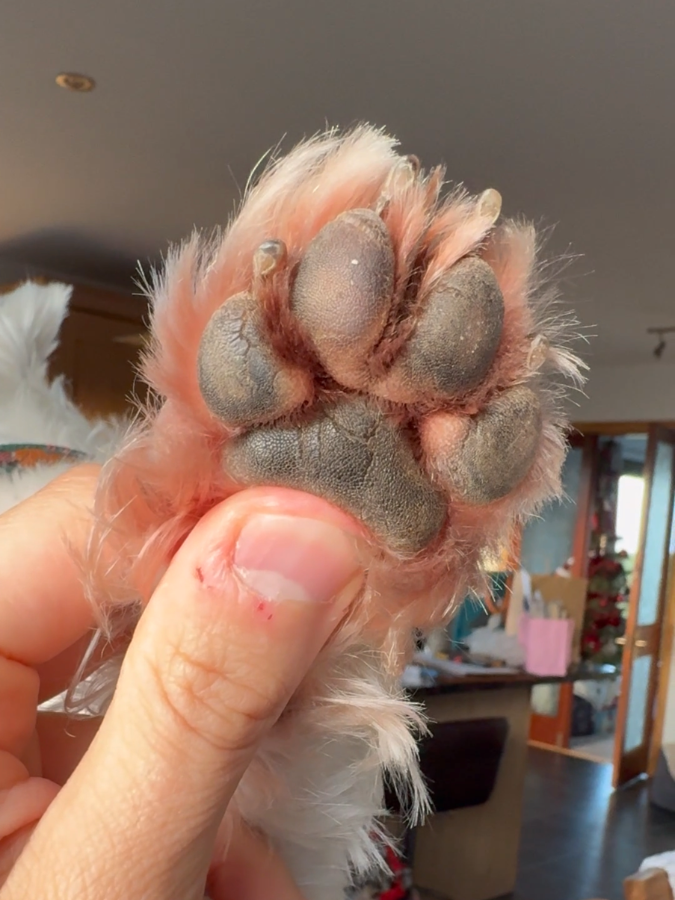
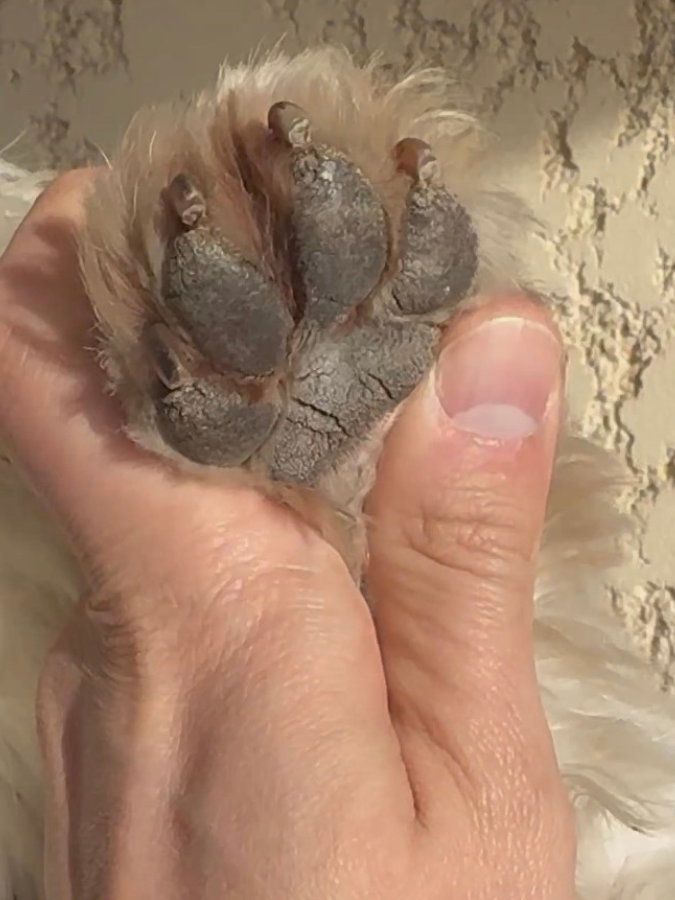
Itchy paws
“I half-believed it. Three weeks later, I’m a convert.”
Brian had tried almost everything for Hector’s itchy, stained paws. He found the VitaDog blog, read it end to end, and only half-believed it, but gave it a shot. Within three weeks the licking had calmed and the rust-colored staining was clearing. Now he won’t switch his 2-year-old Westie to anything else.
Brian · Hector’s owner
Try VitaDogIndividual results. VitaDog supports normal skin and coat health and is not a substitute for veterinary care.
Dog Yeast Infection Home Remedies That Actually Work
Yeast infections are one of the most common skin and ear problems in dogs. The smell (corn chips or musty feet), the itching, the greasy coat, the dark brown ear gunk - most owners recognize it even without a formal diagnosis.
What owners get wrong is thinking of yeast as a surface problem. It isn't. Yeast overgrowth is usually a symptom of an underlying imbalance: gut microbiome disruption, diet sensitivity, wet environment, or a compromised skin barrier. Treating only the surface is why the infection comes back in 4 weeks.
This guide covers what actually works at home, what's a waste of time, and the signs that mean your dog needs a vet visit instead.
What Is a Dog Yeast Infection?
The culprit in nearly all canine yeast infections is Malassezia pachydermatis, a yeast species that lives normally on healthy dog skin in small amounts. When the skin environment shifts (moisture, pH, immune function, microbiome balance), Malassezia overgrows and causes symptoms:
Common locations: ears, paws (between toes), belly, armpits, groin, skin folds.
Clinical reference: VCA Hospitals on yeast dermatitis (Malassezia).
The Root Causes (Why Surface Treatment Fails)
Before reaching for any remedy, understand why the yeast is overgrowing. The common triggers:
If you address only the surface and not the trigger, the infection returns. Every single time.
The Brewers Yeast Audit (Do This First)
Before any topical treatment, audit what your dog is eating. Read the ingredient list on:
For dogs with recurrent or active yeast infections, removing brewers yeast from the diet is one of the highest-leverage changes you can make, and it often costs nothing (just switch to a yeast-free version of what you already give). This is invisible to most owners because no one tells them to look at the inactive ingredients.
Tier 1: Actually works
Apple cider vinegar (ACV) rinse
One part organic apple cider vinegar with the mother, two parts water. Use as a rinse after bathing or a spot treatment on affected skin. Don't use on open wounds or raw skin.
ACV's acidity shifts the skin pH out of the range Malassezia prefers. For paw yeast specifically, a 50/50 ACV-water soak (2 to 5 minutes) is a well-established home treatment. Dry the paws thoroughly after.
Avoid ACV in dog ears with active inflammation; it will sting on raw skin.
Coconut oil topical
Virgin coconut oil contains lauric acid and caprylic acid, both of which have antifungal activity against Malassezia in lab studies. Apply a thin layer to affected skin 1 to 2 times daily.
Coconut oil also oral (1/4 teaspoon per 10 lbs body weight, start low) can support skin barrier function over time, though the oral effect is slower than topical.
Medicated shampoo (chlorhexidine or miconazole)
Not strictly "home remedy" but available over-the-counter without prescription. Shampoos containing chlorhexidine (≥2%) or miconazole (2%) are genuinely effective against Malassezia. Lather, wait 10 minutes before rinsing. Use 2 to 3 times weekly during active infection, then weekly for maintenance.
This is the single most effective at-home intervention for widespread skin yeast.
Multi-strain probiotic supplementation (without brewers yeast)
Yeast overgrowth and gut dysbiosis are deeply linked. A multi-strain probiotic can help rebalance gut flora, which in turn supports the skin microbiome. The catch: pick a probiotic that doesn't itself contain brewers yeast as a prebiotic or binder, otherwise you're partially defeating the point.
Look for: Lactobacillus acidophilus, L. plantarum, Bifidobacterium bifidum, Bacillus subtilis. Inulin or FOS as the prebiotic, not brewers yeast.
Effect is slow (4 to 8 weeks) but addresses the root cause. For comparison of canine probiotics including which ones use brewers yeast and which don't, see our FortiFlora review and Proviable comparison.
Diet changes: lower carbohydrate, no brewers yeast
Yeast feeds on sugars. Kibble diets high in corn, wheat, rice, and white potato provide substrate. Switching to a lower-carb kibble or a fresh/raw diet often reduces yeast burden over 6 to 12 weeks. While you're at it, eliminate brewers yeast from the diet (check kibble, treats, supplements).
Tier 2: Modest evidence
Ear flush with witch hazel or saline
For mild ear yeast without visible inflammation, a gentle flush with diluted witch hazel or plain saline can reduce yeast burden and clean debris. Apply a few drops, massage the base of the ear, let the dog shake, wipe with cotton.
Stop immediately if your dog shows pain or if the ear has open sores (that's a vet visit).
Tea tree oil, DILUTED ONLY
Tea tree oil has genuine antifungal activity but is highly concentrated. Undiluted tea tree oil is toxic to dogs. Only use at ≤1% dilution in carrier oil, and never near the eyes, mouth, or genitals. Many vets recommend avoiding it entirely because of the narrow safety margin.
Oatmeal bath
Doesn't kill yeast but soothes inflamed skin while you address the underlying cause. Colloidal oatmeal shampoos or DIY oatmeal rinses reduce itching during recovery.
Tier 3: Waste of time
Yogurt (plain, unsweetened). Too little probiotic content to matter, plus most dogs don't tolerate dairy well.
Raw garlic. Low-dose garlic has some antimicrobial effect but the dose required for yeast would approach canine toxicity thresholds. Not worth the risk.
Hydrogen peroxide. Damages healthy skin and tissue while doing little against yeast. Outdated advice.
Lemon juice. Acidic enough to alter pH but also highly irritating on inflamed skin. Use ACV instead.
Dog Paw Yeast Infection Home Remedy
Paw yeast is among the most common and persistent presentations. Protocol:
Expect 3 to 4 weeks of consistent daily care for mild cases; 6 to 8 weeks for chronic cases.
Dog Ear Yeast Infection Home Remedy
Ear yeast is the most common place owners try to treat at home, and the one where the line between "safe to handle yourself" and "vet visit today" matters most. Ears are trickier than paws because the canal is deep, L-shaped and holds moisture, and you cannot see what is happening at the bottom of it.
What ear yeast looks and smells like
Brown or dark waxy discharge, a sweet musty or corn-chip smell, redness inside the flap, and a dog who shakes their head or rubs one ear on the carpet. Yeast usually affects both ears at once. One ear alone is a warning sign, because it points more often to a foreign body (a grass seed is the classic) or a bacterial infection than to a yeast overgrowth.
Only treat at home if all of these are true
No pus, no blood, no strong rotten odor
The ear is not swollen shut and the canal is visible
Your dog is not crying, tilting their head, or losing balance
No hearing change, and no history of a ruptured eardrum
If any one of those fails, stop and book the vet. The reason is specific rather than cautious boilerplate: if the eardrum is perforated, several common cleaning solutions can reach the middle ear and cause permanent damage, and you cannot check an eardrum at home. Head tilt and balance loss are the signs that the middle ear is already involved.
The safe home routine
Use a purpose-made dog ear cleaner with a drying agent rather than a kitchen recipe. Fill the canal, massage the base of the ear for twenty to thirty seconds until you hear the squelch, then let your dog shake their head out, and wipe only what you can reach with a cotton pad or gauze on your finger. Repeat every one to three days depending on how much discharge comes out, and keep the ear dry between cleanings.
What not to do, in order of how often it goes wrong: no cotton buds down the canal (they pack debris against the eardrum), no undiluted apple cider vinegar on inflamed skin (it stings badly on raw tissue and buys you a dog who will never let you near an ear again), no plain water or oil-only mixes (moisture without a drying agent feeds the problem), and no leftover drops prescribed for another dog or another episode.
If it keeps coming back
Recurring ear yeast is rarely an ear problem. It is usually the visible end of an allergy, environmental or food, and the ear is simply where that dog shows it first. Clearing the episode without addressing the driver gets you the same ear again in six weeks. That is the conversation worth having with your vet: not "what drops do we use", but "what is making this ear the weak spot, and how do we manage that year round".
If there is no improvement after ten to fourteen days of consistent cleaning, or if the ear gets worse at any point, escalate rather than persist.
Dog Skin Yeast Infection Home Remedy
For widespread skin yeast (belly, armpits, skin folds):
Clinical reference: VCA Hospitals on Malassezia dermatitis.
When Home Remedies Aren't Enough
See your vet within 1 to 2 weeks if:
The infection has spread or worsened
Your dog is scratching themselves raw or creating open wounds
There's pus, bleeding, or crusting beyond superficial
Ear symptoms include pain, head tilt, balance issues, or hearing loss
Your dog seems systemically unwell (fever, lethargy, appetite loss)
You've tried consistent home treatment for 3 to 4 weeks with no improvement
This is the second or third recurrence (chronic yeast needs a workup including thyroid, allergies, immune status)
Oral antifungal medications (ketoconazole, fluconazole, terbinafine) are sometimes necessary for deep or resistant yeast infections. They're safe when appropriately dosed but require liver monitoring.
Clinical reference: AAHA management of allergic skin diseases guidelines.
The Long-Term Strategy
Yeast lives on every dog, so prevention is a daily routine, not a one-time fix. Our 8-strain probiotic supports the gut-skin axis, omega-3 strengthens the skin barrier, and turmeric calms inflammation, all stacked in our all-in-one dog supplement. Related: see FortiFlora vs multi-strain probiotics and why fishy smell often points to yeast.
Home remedies handle active infections. The real win is preventing recurrence. That means:
Omega-3 supplementation to support skin barrier function
VitaDog's daily formula is built for exactly this use case: an 8-strain probiotic at 1 billion CFU (L. acidophilus, L. plantarum, L. brevis, L. delbrueckii, L. fermentum, B. bifidum, E. faecium, B. subtilis) with inulin and pumpkin as prebiotic substrate, anchovy oil + flaxseed + evening primrose oil + MCT for omega-3 and GLA (specifically evidence-backed for atopic skin), zinc and biotin for skin barrier, vitamin E, and no brewers yeast anywhere in the formula. For a dog with a history of yeast issues, the absence of brewers yeast alone is a meaningful upgrade over chew-format competitors that include it.
Inside the all-in-one dog supplement.
For more on probiotic strains and their skin impact, see our Lactobacillus strains for dogs guide.
What kills yeast on dogs fast?
Chlorhexidine 2% or miconazole 2% medicated shampoo is the fastest effective at-home option. 10-minute contact on wet skin, rinsed well, 2 to 3 times per week. Expect visible improvement within 7 to 10 days.
Can brewers yeast cause yeast infections in dogs?
Brewers yeast (Saccharomyces cerevisiae) is a different species from Malassezia (the yeast that overgrows on dog skin), so it's not a direct cause. But yeast-prone dogs frequently react to dietary brewers yeast through cross-reactive immune pathways and gut-skin axis effects. Many owners managing recurrent yeast issues see meaningful improvement when they remove brewers yeast from the dog's diet, treats, and supplements.
Can I use Monistat on my dog?
Monistat (miconazole) is sometimes used for canine yeast by vets. It's the same active ingredient as pet-formulated miconazole products. Use only on skin, never orally, and stop if there's any sign of irritation.
How long does a dog yeast infection take to clear up?
Mild cases: 2 to 3 weeks with consistent treatment. Chronic or widespread: 6 to 12 weeks. If you see no improvement after 3 to 4 weeks of consistent home care, escalate to vet.
Does apple cider vinegar really kill yeast in dogs?
ACV shifts skin pH to a range Malassezia doesn't thrive in, effectively reducing overgrowth. It doesn't "kill" yeast in a sterile sense but creates an unfavorable environment. Works well for paws and body skin; avoid on open wounds or inflamed ears.
Can I give my dog yogurt for yeast infection?
Plain unsweetened yogurt has some probiotic content, but the CFU count is low and many dogs are mildly lactose-intolerant. A dedicated canine probiotic without brewers yeast is meaningfully more effective than yogurt.
What food causes yeast infection in dogs?
Diets high in corn, wheat, white rice, potato, added sugars, and brewers yeast provide substrate or cross-reactivity triggers for yeast. Kibbles with corn or wheat as top-3 ingredients are common contributors. Many treats and chews include brewers yeast as a binder. Lower-carb kibbles, fresh or raw diets, and yeast-free supplements typically reduce yeast burden in predisposed dogs.
Educational content only. This article is not veterinary advice. Always consult your veterinarian before starting, changing, or stopping any supplement, especially if your dog has a medical condition, is pregnant, or is on medication.


