
Best Supplements for Senior Dogs 2026: The Complete Stack
Senior dogs (7+ years for large breeds, 10+ for small) have different supplement needs than young adults. Reduced nutrient absorption, increased joint

Senior dogs (7+ years for large breeds, 10+ for small) have different supplement needs than young adults. Reduced nutrient absorption, increased joint stress, cognitive changes, and accumulated inflammation all create specific support opportunities.
Most general “senior dog supplement” products are just repackaged multivitamins with marketing targeted at older dogs. The real senior supplement strategy is a layered stack addressing joint, gut, cognitive, skin, and immune needs simultaneously.
This guide covers exactly what your senior dog needs, which products deliver it, and how to build the stack without over-spending on redundant supplements.
 A VitaDog customer story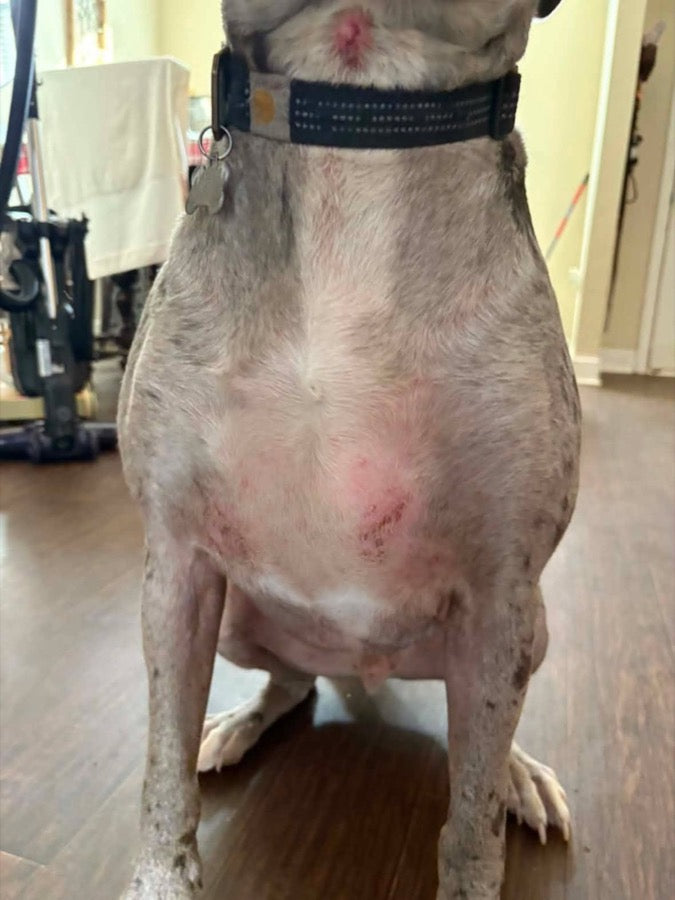
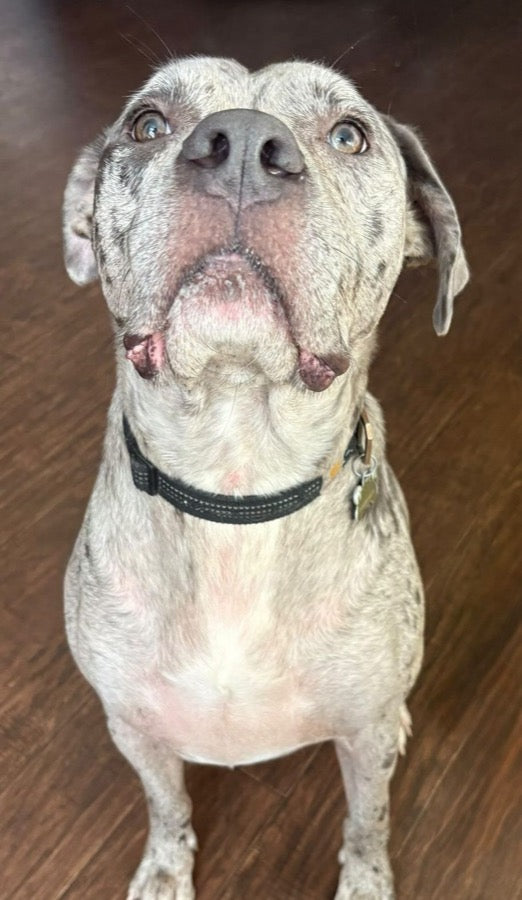
Itchy skin
“I was doubtful it would work.”
After more than a year of trying to calm Ranger’s itchy skin, MacKenzie almost didn’t try one more thing. Two bags of VitaDog Daily later, his coat was growing back and he was finally comfortable.
MacKenzie · Ranger’s owner
Try VitaDogIndividual results. VitaDog supports normal skin and coat health and is not a substitute for veterinary care.
What Changes in Senior Dogs
Before picking supplements, understand what shifts in older dogs:
Joint and mobility
- Cartilage breaks down faster than it rebuilds
- Synovial fluid quality decreases
- Bone density changes
- Muscle atrophy accelerates with reduced activity
- Inflammation levels increase chronically
Most senior dogs have some degree of osteoarthritis (DJD) by age 10. For the full picture, see DJD in dogs.
Digestion
- Reduced digestive enzyme production
- Microbiome composition shifts (lower diversity)
- Nutrient absorption decreases
- Chronic low-grade gut inflammation more common
- B12 absorption particularly affected
Cognitive function
- Canine Cognitive Dysfunction (CCD) is essentially canine dementia
- Signs: disorientation, altered sleep/wake cycles, anxiety, reduced interaction
- Starts as early as age 8-10 in some dogs
- Progressive without intervention
Skin and coat
- Skin thinning and reduced barrier function
- Coat quality decline
- Slower wound healing
- Increased dryness and flaking
Immune function
- Immune senescence, reduced effective response to infection
- Increased inflammatory markers at baseline
- Higher cancer risk (cumulative factor, not purely aging)
Heart and kidneys
- Age-related functional decline
- Some specific supplements support (taurine, CoQ10, omega-3)
- Kidney-specific supplements if CKD is diagnosed
The Complete Senior Supplement Stack
A comprehensive senior support approach layers:
Option 1 · VitaDog · Best complete senior support
Ingredients covered:
- Multi-pathway joint and anti-inflammatory stack (glucosamine HCl, MSM, turmeric with piperine, quercetin for dogs, astragalus, liquorice, rosemary)
- Multi-strain probiotics (8 strains) with inulin prebiotic
- Therapeutic-dose omega-3 (best fish oil)
- Full B-complex (including B12), vitamins A, D3, E
- Zinc, biotin, trace minerals
- Antioxidant support
What makes it senior-appropriate:
- All the joint, gut, skin, and cognitive ingredients most seniors need in one daily serving
- Doesn’t require stacking 5-7 separate products
- Dosed by weight appropriately
Gaps if needed separately: SAMe, CoQ10, MCT oil, these are specific cognitive/cellular additions for dogs with confirmed needs.
Inside the all-in-one dog supplement.
Option 2 · Dasuquin Advanced + Fish Oil + Probiotic + Senior Multi
Ingredients covered when stacked:
- Dasuquin Advanced for joint + ASU + curcumin + boswellia
- Nordic Naturals or equivalent for therapeutic omega-3
- Proviable-DC for multi-strain probiotic
- VetriScience Senior or equivalent for vitamins
Trade-offs:
- Higher total monthly cost when stacked
- 4 separate dosing schedules
- Compliance friction
- Some dogs won’t tolerate all four formats
Option for owners who want each piece specifically chosen. See comparisons: - Dasuquin vs Cosequin - Best Fish Oil for Dogs - Best Probiotics for Dogs - Best Multivitamin for Dogs
Option 3 · Dog Is Human Multivitamin · Simplest (but incomplete)
Covers:
- Broad vitamin/mineral profile
- Glucosamine/chondroitin at modest doses
- Single-strain probiotic
- Fish oil at modest dose
Gaps for seniors:
- Joint doses often insufficient for senior dogs with real joint disease
- Single-strain probiotic doesn’t match multi-strain needs of aging gut
- Omega-3 dose often below therapeutic for senior joint/cognitive needs
- No green-lipped mussel, no curcumin with piperine
Best for: younger seniors with mild symptoms. Often needs supplementation for dogs with established age-related conditions.
See full Dog Is Human Multivitamin Review.
For senior dog with established arthritis
Foundation: - VitaDog or Dasuquin Advanced + therapeutic-dose fish oil - Prescription NSAID (Rimadyl, Metacam, Galliprant) as needed, per vet
Adjuncts: - Additional curcumin with piperine if starting stack doesn’t include - Glucosamine loading dose for first 4-6 weeks - Physical rehabilitation or hydrotherapy if available
See DJD in dogs for the full multi-modal approach.
For senior dog with cognitive changes (CCD/canine dementia)
Foundation: - Therapeutic-dose omega-3 (DHA-focused) - Multi-strain probiotic (gut-brain axis) - VitaDog or equivalent multivitamin
Adjuncts: - SAMe (S-adenosylmethionine), 20 mg/kg/day - Phosphatidylserine - MCT oil supplementation (start low) - Antioxidant blend - Prescription Selegiline (Anipryl) if moderate/severe, per vet
For senior dog with chronic kidney disease (CKD)
Specialized protocol, work with vet:
- Omega-3 at therapeutic dose for proteinuria management
- Phosphorus binders if prescribed
- B12 supplementation (often deficient in CKD)
- Potassium supplementation if indicated
- Prescription renal diet
Don’t use general senior supplements without vet review in CKD, some minerals and fat-soluble vitamins need restriction.
For senior dog with chronic GI issues
Foundation: - Multi-strain synbiotic probiotic (daily, long-term) - B12 supplementation (often deficient) - Prescription GI diet or careful commercial food selection - Digestive enzymes if enzyme insufficiency confirmed
Adjuncts: - Omega-3 for gut inflammation - Saccharomyces boulardii if yeast overgrowth suspected
See Home Remedies for Dog Diarrhea.
For senior dog with chronic skin or allergy issues
Foundation: - Therapeutic-dose omega-3 - Multi-strain probiotic (gut-skin axis) - Zinc, biotin, vitamin E for barrier support - Regular bathing with appropriate medicated shampoo if yeast/bacterial involvement
See Dog Itchy Skin Home Remedies and the Dog Skin Coat & Allergy Guide.
What to Skip for Most Seniors
Save money by not buying:
Generic “Senior Dog Vitality” products with vague claims
Often just regular multivitamins with senior marketing.
Glucosamine-only joint supplements
Insufficient for a senior dog needing comprehensive joint support. Either upgrade to a full stack or stack with other joint ingredients.
High-dose fat-soluble vitamin products
Risk of vitamin A or D3 toxicity with excess dosing. Stay within established therapeutic ranges.
Immune-boosting botanicals with thin evidence
Many trendy ingredients (echinacea, astragalus as specific pet products) don’t have robust canine evidence. Foundational antioxidants and omega-3 are better-established.
Calcium supplements (unless vet-directed)
Calcium excess causes problems. Only supplement with vet guidance for specific conditions.
Practical Weekly Plan for an Average Senior Dog
Say you have a 10-year-old, 50-lb otherwise healthy Labrador with mild stiffness:
Daily: - VitaDog daily powder (or equivalent complete formula) - Possibly separate fish oil if you want higher omega-3
Every few days: - Monitor stool quality, mobility, energy - Brush teeth (dental health matters in seniors)
Weekly: - Swimming or hydrotherapy if available - Assess weight and body condition
Monthly: - Full supplement inventory check - Photo documentation of gait/mobility
Every 6 months: - Vet wellness exam with senior panel bloodwork - Adjust supplements based on findings
Cost-Effective Senior Supplement Strategy
For a medium-large senior dog:
Minimum effective stack: - Joint + omega-3 + probiotic + multivitamin = ~$60-$100/month if stacked separately, ~$50-$70/month consolidated
Don’t under-invest: - Supplementation below therapeutic doses wastes money without delivering effect - Skipping key ingredients (therapeutic omega-3, multi-strain probiotic) leaves major gaps
Don’t over-spend: - $200+/month on supplements isn’t proportionate to the added benefit - Premium marketing doesn’t always deliver better formulation
For most seniors, a consolidated supplement + optional add-ons for specific conditions (SAMe for cognition, extra omega-3 for severe arthritis) delivers the best value.
Related Reading
Hub guides: - Complete Dog Joint Health Guide - Complete Dog Gut Health Guide - Complete Dog Skin, Coat & Allergy Guide
When your dog turns senior, by breed: - German Shepherd life expectancy - How long Golden Retrievers live - Rottweiler lifespan - Cane Corso life expectancy - every breed, by AKC data
Related reviews: - Best All-in-One Dog Supplement 2026 - Best Joint Supplement for Dogs - Best Probiotics for Dogs - Best Fish Oil for Dogs - Best Multivitamin for Dogs - Dasuquin vs Cosequin - Dog Is Human Review
Condition-specific: - DJD in Dogs - Alopecia in Dogs - Dog Bad Breath Home Remedies
Ingredient deep-dives: - Glucosamine for Dogs - MSM for Dogs - Fish Oil & Omega-3 for Dogs - Fish Oil Dosage for Dogs - Green Lipped Mussel for Dogs - Turmeric for Dogs
The VitaDog approach: - See the all-in-one formulation
What are the most important supplements for senior dogs?
The foundation: joint stack (glucosamine, chondroitin, MSM, GLM, curcumin with piperine), therapeutic-dose omega-3, multi-strain probiotic with prebiotic, and senior-appropriate vitamins and minerals. For cognitive support, DHA-rich omega-3 and antioxidants. For specific conditions, targeted additions.
At what age should I start senior supplements?
Large breeds: 7 years. Medium breeds: 8-9 years. Small breeds: 10+ years. Earlier if your dog shows mobility, cognitive, or digestive changes. Prophylactic joint support can start in middle-aged dogs (3-6 years for high-risk breeds).
How many supplements does my senior dog really need?
If using a consolidated formula (VitaDog, Dog Is Human): one daily product covers most of the bases. If stacking separate products: typically 3-5 (joint supplement, fish oil, probiotic, multivitamin, possibly cognitive support). The consolidated approach is usually cheaper, simpler, and delivers more consistent dosing.
Can I give my senior dog human supplements?
Some, with caveats. Many human supplements contain xylitol, inappropriate dosing for dog body weight, or combinations that don’t match canine needs. Dog-formulated products are almost always more appropriate for ongoing use. Human fish oil specifically can work if dosed by EPA+DHA content.
What’s the best supplement for an arthritic senior dog?
A full joint stack (glucosamine, chondroitin, MSM, green-lipped mussel, curcumin with piperine, omega-3) combined with weight management and appropriate exercise. Products like VitaDog or Dasuquin Advanced + separate therapeutic-dose fish oil are the two main routes. Prescription NSAIDs can layer on top when symptoms exceed supplement control.
Should senior dogs take a different multivitamin than younger dogs?
Ideally yes. Senior formulations typically include additional antioxidants, higher B12 for cognitive support, and sometimes additional joint ingredients. General adult multivitamins work but aren’t optimally targeted for senior nutritional shifts.
Educational content only. This guide is not veterinary advice. Always consult your veterinarian before starting, changing, or stopping any supplement, especially if your dog has a medical condition, is pregnant, or is on medication.
“Just like us, it's the fuel that feeds the machine.”


