
Best Probiotics for Stinky Gassy Dogs: Fix the Smell,...
If your dog clears a room, it's not just unpleasant, it's usually a signal. Chronic bad-smelling flatulence means something in your dog's digestion isn't

If your dog clears a room, it’s not just unpleasant, it’s usually a signal. Chronic bad-smelling flatulence means something in your dog’s digestion isn’t working right. The gas itself is the symptom; fixing it means addressing what’s actually happening in the gut.
This guide covers why dogs get stinky gas, which probiotics actually help (and why some don’t), and the full set of fixes that work alongside supplementation.
 A VitaDog customer story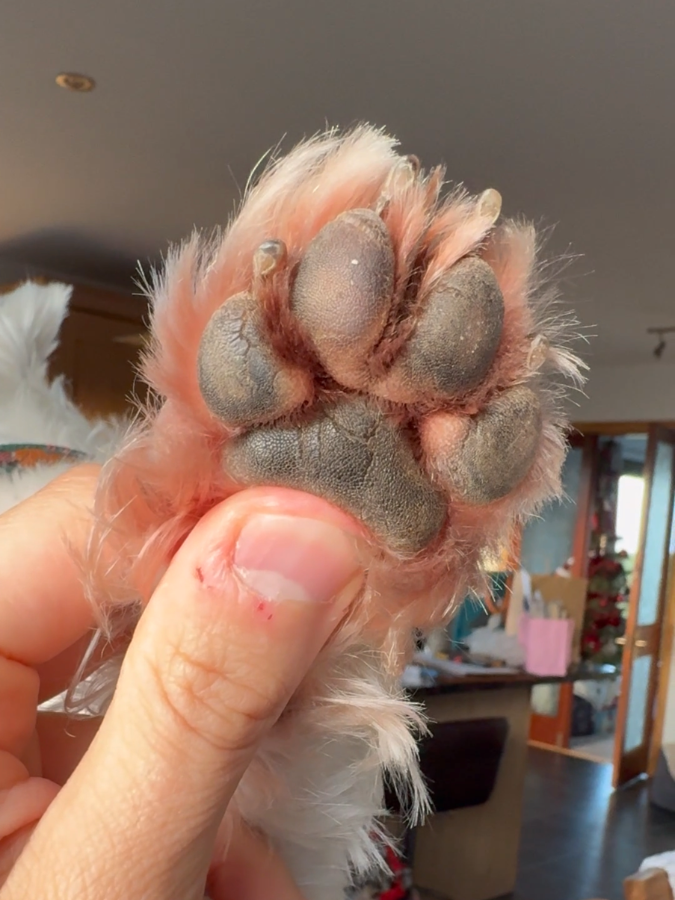
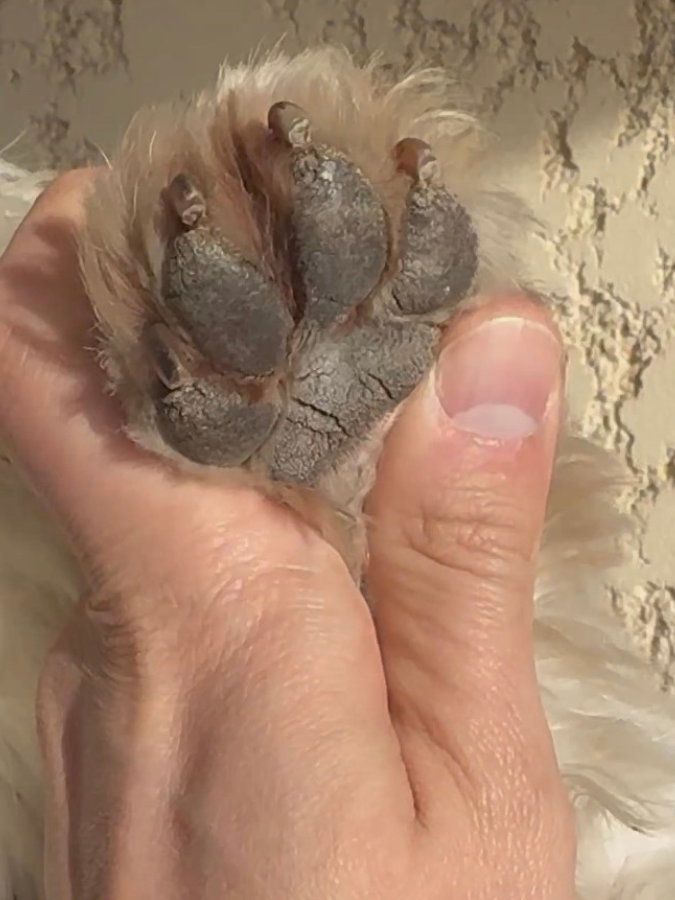
Itchy paws
“I half-believed it. Three weeks later, I’m a convert.”
Brian had tried almost everything for Hector’s itchy, stained paws. He found the VitaDog blog, read it end to end, and only half-believed it, but gave it a shot. Within three weeks the licking had calmed and the rust-colored staining was clearing. Now he won’t switch his 2-year-old Westie to anything else.
Brian · Hector’s owner
Try VitaDogIndividual results. VitaDog supports normal skin and coat health and is not a substitute for veterinary care.
Why Your Dog Has Bad Gas
Dog flatulence isn’t random. It’s almost always caused by one of these:
1. Gut microbiome imbalance (dysbiosis)
A healthy gut microbiome ferments food efficiently with relatively minimal gas. When beneficial bacteria populations drop and opportunistic bacteria expand, fermentation produces more sulfur-containing gas byproducts (the stinky ones: hydrogen sulfide, methanethiol).
Common triggers: - Antibiotic history - Chronic stress - Diet changes without proper transition - High-carbohydrate diets feeding the wrong bacteria
2. Food intolerance or sensitivity
Poorly digested food ferments excessively in the colon. Sensitivities to specific proteins or carbohydrate sources are common culprits.
Common canine food sensitivities: beef, chicken, dairy, wheat, soy, egg.
3. Diet composition
Certain foods produce more gas in most dogs: - Sulfur-rich foods: broccoli, cauliflower, cabbage, eggs (in excess) - Legumes: lentils, beans, peas, often in grain-free kibbles - Dairy: many dogs are partially lactose-intolerant - Corn, soy, wheat in sensitive dogs - High-fiber diets that aren’t properly transitioned - Spoiled or low-quality proteins
4. Eating too fast
Gulping air while eating (aerophagia) contributes to gas. Common in fast eaters and brachycephalic breeds (Bulldogs, Pugs, French Bulldogs).
5. Digestive enzyme deficiency
Some dogs, especially seniors, produce insufficient digestive enzymes. Undigested food reaches the colon and ferments.
6. Underlying GI conditions
Chronic conditions worth ruling out: - Inflammatory bowel disease (IBD) - Exocrine pancreatic insufficiency (EPI) - Small intestinal bacterial overgrowth (SIBO) - Parasites
For the broader gut health picture, see our dog gut health guide.
Best Probiotics for Stinky Gassy Dogs
Not all probiotics are equal for this specific problem. Dogs with chronic gas benefit most from products that:
1. VitaDog · Best complete approach
Why it works for gassy dogs:
- Omega-3 at therapeutic dose reduces gut inflammation that drives excess fermentation
Consolidated approach, often fixes gas AND the chronic skin/joint/coat issues that overlap in dogs with gut dysbiosis.
See the daily dog multivitamin.
2. Proviable-DC · Best dedicated multi-strain
Why it works:
Best for owners who already have other supplements covered and want probiotic-only.
Full review: Proviable DC vs Proviable Forte.
3. PetLab Probiotic Chews · Best chew format
Why it works:
Trade-offs: moderate CFU per chew. See full PetLab Probiotic Chews review.
4. FortiFlora + Pumpkin · Best rescue for acute episodes
If the gas started suddenly (dietary indiscretion, antibiotic course, stress event):
This stops acute fermentation flare-ups. Transition to a multi-strain daily product once acute symptoms resolve. See FortiFlora review.
Beyond Probiotics · The Full Fix
Probiotics alone usually don’t fix chronic stinky gas. The full approach:
1. Dietary audit
Common gas-triggering ingredients in kibble: - Legumes (peas, lentils, beans), very common in “grain-free” - Corn, wheat, soy - Specific proteins your dog reacts to - Very high fiber content
Try a limited-ingredient or novel-protein kibble for 6-8 weeks and see if gas improves. Candidate proteins: duck, venison, rabbit, fish, lamb.
2. Slow eating
If your dog gulps their food: - Slow-feeder bowls (puzzle bowls with obstacles) - Food scatter feeding (spread kibble across a rubber mat) - Multiple small meals instead of 1-2 large ones - Water in food to slow eating and improve digestion
3. Digestive enzymes
For senior dogs or dogs with suspected enzyme insufficiency:
- Typically given with meals
- Meaningful impact if enzyme deficiency is the issue
4. Remove table scraps and treats
Table scraps are a top cause of sudden gas episodes. Fatty scraps especially drive GI disruption.
If you must give treats, stick to single-ingredient dog-appropriate options (small pieces of lean meat, plain-cooked vegetables).
5. Omega-3 for gut inflammation
Chronic low-grade gut inflammation contributes to fermentation dysfunction. Therapeutic-dose omega-3 supports healing. See fish oil dosage for dogs.
6. Stress management
The gut-brain axis is real. Chronic stress disrupts microbiome balance. Address: - Routine and predictability - Adequate exercise - Enrichment - Reduce anxiety triggers
When to See the Vet
Chronic gas that doesn’t respond to the above in 6-8 weeks warrants workup:
Gas paired with any of these is a vet visit, not a supplement issue:
- Weight loss
- Vomiting
- Bloody stool
- Lethargy
- Distended painful abdomen
- Reduced appetite
- Change in stool consistency lasting more than 2 weeks
Recovery Timeline
For chronic stinky gas, realistic expectations:
If you see no improvement by week 8-12 of consistent multi-strain probiotics + dietary adjustments + slow eating, see your vet for underlying condition screening.
The Consolidated Approach
Gassy dogs often have multiple things going on: dysbiosis + skin issues + chronic inflammation + dietary sensitivity. Running separate probiotic, best fish oil, and enzyme supplements gets expensive and creates compliance friction.
VitaDog was designed for exactly this use case: multi-strain probiotic + inulin prebiotic + therapeutic-dose omega-3 + zinc and biotin for skin + full vitamin profile. One daily serving. See the daily dog multivitamin.
For owners who specifically want probiotic-only, Proviable-DC is the strongest dedicated option.
Related Reading
Probiotic options: - Best Probiotics for Dogs 2026 - FortiFlora Review - Proviable DC vs Proviable Forte - PetLab Probiotic Chews Review
Hub guides: - Complete Dog Gut Health Guide
Related conditions: - Home Remedies for Dog Diarrhea - Why Does My Dog Smell Like Fish - Dog Yeast Infection Home Remedies
Ingredient detail: - Lactobacillus Strains for Dogs - Inulin for Dogs
The VitaDog approach: - Complete VitaDog Formulation
What probiotic is best for a gassy dog?
For daily support: a multi-strain synbiotic like VitaDog (8 strains + inulin + broader whole-dog support) or Proviable-DC (7 strains + prebiotic). For acute episodes: FortiFlora for 7-14 days. Single-strain probiotics generally don’t fix chronic gas because they don’t rebalance a dysbiotic microbiome fully.
How long does it take for probiotics to reduce dog gas?
Initial improvement usually within 2 weeks. Substantial improvement by 6-8 weeks. If no meaningful improvement by 8-12 weeks of consistent daily multi-strain supplementation, the issue likely needs veterinary workup rather than a different probiotic.
Why does my dog fart so much and smell so bad?
Almost always one of: gut microbiome imbalance, food sensitivity, dietary composition (legumes, dairy, certain proteins), eating too fast, or digestive enzyme deficiency. Occasionally an underlying GI condition. Start with diet review and multi-strain probiotic; escalate to vet if no improvement in 2 months.
Can I give my dog probiotics every day to reduce gas?
Yes. Daily multi-strain probiotic supplementation for chronic gas is appropriate and generally safe long-term. Continue even after gas improves, stopping often leads to recurrence.
Does food cause dog gas?
Common triggers: legumes (peas, lentils), dairy, corn, wheat, soy, high-fat scraps, fatty treats. Also any specific protein your dog is sensitive to. A food trial with a novel protein for 6-8 weeks often reveals whether food is the main driver.
When should I worry about my dog’s gas?
Worry if paired with any of: weight loss, vomiting, diarrhea lasting more than a few days, bloody stool, lethargy, painful or distended abdomen, appetite loss, or significant change in stool consistency. These suggest underlying GI disease beyond simple dysbiosis.
Educational content only. This guide is not veterinary advice. Always consult your veterinarian before starting, changing, or stopping any supplement, especially if your dog has a medical condition, is pregnant, or is on medication.


