Quercetin for Dogs: Nature's Antihistamine Explained
Quercetin for dogs explained: nature's antihistamine, dose by weight, when it works (and when it doesn't), how to combine with bromelain. VitaDog daily.

Part of our complete Dog Skin, Coat & Allergy Guide, see the full picture across yeast infections, allergies, hot spots, alopecia and supplement strategies.
Quercetin is one of the most interesting, under-used supplements in the canine allergy toolkit. Owners who go looking for “natural Benadryl for dogs” or “holistic antihistamine” end up finding quercetin in forum posts and functional veterinary practice, but it rarely appears on mainstream supplement shelves.
This guide covers what quercetin actually is, how it works as a natural antihistamine, the right dose for your dog, and the honest limits of what it can and can’t do.
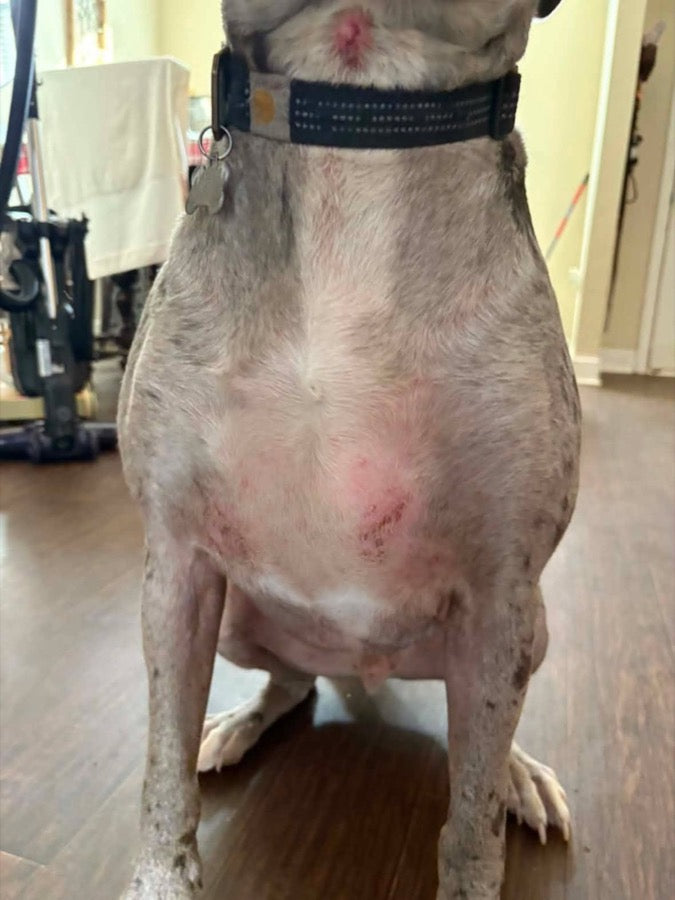
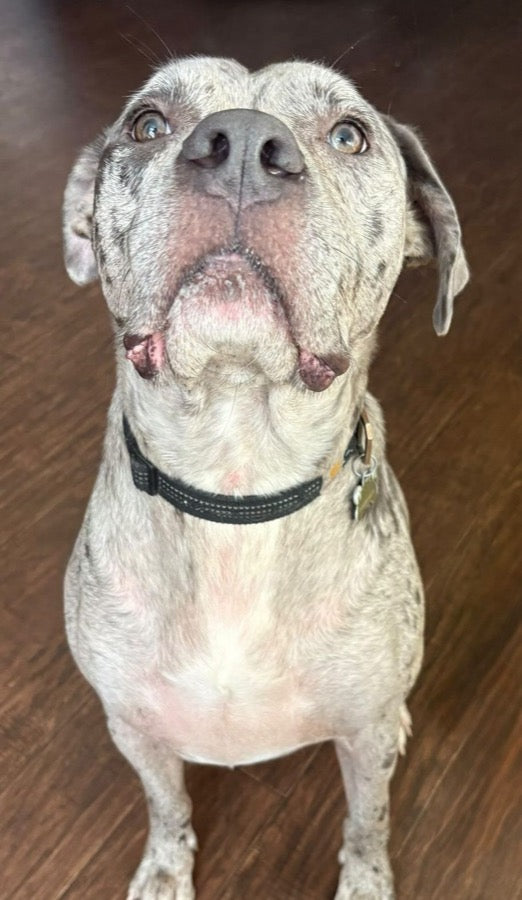
Itchy skin
“I was doubtful it would work.”
After more than a year of trying to calm Ranger’s itchy skin, MacKenzie almost didn’t try one more thing. Two bags of VitaDog Daily later, his coat was growing back and he was finally comfortable.
MacKenzie · Ranger’s owner
Try VitaDogIndividual results. VitaDog supports normal skin and coat health and is not a substitute for veterinary care.
What Is Quercetin?
Quercetin is a plant-derived flavonoid found in high concentrations in:
- Red and yellow onions (highest source, but not dog-safe)
- Apples (skins especially)
- Berries
- Green tea
- Leafy greens (kale, spinach)
- Capers, broccoli
It’s a potent antioxidant and anti-inflammatory compound that’s been studied extensively in humans for allergies, cardiovascular health, and exercise recovery. Veterinary research is thinner but the mechanism is consistent across species.
How Quercetin Works
Quercetin acts through several anti-allergic pathways simultaneously, which is why it’s often called “nature’s antihistamine”:
1. Mast cell stabilization
Mast cells are the immune cells that release histamine in response to allergens. Quercetin stabilizes their membranes, reducing the amount of histamine released when the allergic cascade kicks off.
This is preventive rather than reactive. Unlike antihistamines that block histamine receptors after histamine is already circulating, quercetin reduces the initial release.
2. Anti-inflammatory action
Quercetin inhibits several inflammatory pathways: - Reduces production of inflammatory cytokines - Modulates NF-kB (master inflammation regulator) - Decreases leukotriene production
Different mechanism than NSAIDs or curcumin, complementary to both.
3. Antioxidant support
Quercetin is a direct free-radical scavenger and supports the body’s own antioxidant enzymes. Relevant for allergic dogs because allergic inflammation generates oxidative stress that damages tissue.
4. Immune modulation
Modulates T-cell balance, reducing the hyperactive allergic immune response.
Benefits for Dogs
Quercetin is most useful for:
For broader allergy support context, see our dog itchy skin home remedies guide.
Quercetin is not useful for: - Bacterial or yeast infections - Parasitic itching (fleas, mites) - Structural joint problems (DJD) - Digestive issues not allergy-related
Quercetin Dosage for Dogs
Standard canine dosing guideline: 8-12 mg per pound body weight, divided into 2 daily doses.
| Dog weight | Daily total | Per dose (twice daily) |
|---|---|---|
| Under 10 lbs | 50-100 mg | 25-50 mg |
| 10-25 lbs | 100-300 mg | 50-150 mg |
| 25-50 lbs | 200-600 mg | 100-300 mg |
| 50-75 lbs | 400-900 mg | 200-450 mg |
| 75-100 lbs | 600-1,200 mg | 300-600 mg |
| Over 100 lbs | 1,000-1,500 mg | 500-750 mg |
Give: - Twice daily for steady blood levels - On an empty stomach for best absorption (30 minutes before meals, or 2 hours after) - With bromelain (pineapple enzyme) which enhances quercetin absorption
Quercetin + Bromelain
The most common therapeutic formulation pairs quercetin with bromelain. Bromelain: - Enhances quercetin absorption - Has its own anti-inflammatory effects - Is considered synergistic with quercetin for allergy support
Most over-the-counter canine quercetin products include bromelain. Ratio is typically 2:1 quercetin to bromelain.
How Long Does It Take to Work?
Not a quick acting product.
For allergic dogs, quercetin works best as a daily regimen during allergy season, not as needed.
Common question: can I use quercetin instead of Benadryl?
| Quercetin | Benadryl (diphenhydramine) | |
|---|---|---|
| Mechanism | Mast cell stabilization + anti-inflammatory | Histamine receptor blockade |
| Speed of onset | Slow (days to weeks for chronic effect) | Fast (30-60 minutes) |
| Duration of action | Hours | 4-8 hours per dose |
| Chronic use safety | Excellent | Concerns with long-term use |
| Drowsiness | Rarely | Commonly |
| Vet guidance needed | Over-the-counter | Recommended, especially for dosing |
Practical: use Benadryl for acute allergic events (bee sting, vaccine reaction, acute hives) under vet guidance. Use quercetin for chronic or seasonal allergy management as part of a preventive protocol. They work on different time scales and different mechanisms.
Quercetin Safety and Side Effects
Quercetin has a good safety profile in dogs. Side effects are uncommon:
Rare: - Mild GI upset (usually transient) - Headache-like symptoms (very rare) - Kidney effects at extremely high doses (far above therapeutic)
Cautions:
Toxicity: quercetin has a very wide safety margin. Acute overdose is unlikely to cause serious problems.
What to Look For in a Quercetin Product
Named form: quercetin dihydrate or quercetin aglycone (both are absorbed fine).
Paired with bromelain: improves absorption and adds complementary effect.
Dose per serving clearly stated: look for actual mg of quercetin, not total supplement weight.
Source: plant-derived from sophora, rutin, or fruit sources. All work similarly.
Avoid: products with xylitol, artificial sweeteners, or unclear “proprietary blend” dosing.
Where Quercetin Fits in the Allergy Toolkit
Quercetin is one piece of a broader allergy management strategy:
- Omega-3 therapeutic dose for skin barrier and inflammation, see fish oil dosage for dogs
Quercetin alone won’t resolve moderate-to-severe allergies. As an adjunct in a comprehensive approach, it meaningfully contributes to control.
Quercetin in Complete Supplements
Because quercetin is niche, it’s rarely included in mainstream canine supplements. Most VitaDog-type products focus on the broader anti-inflammatory ingredients (omega-3, curcumin, MSM) that apply to wider dog populations.
For dogs with specific allergic presentations, stand-alone quercetin + bromelain products (or a veterinary compounded formulation) are the usual route.
Our dog itchy skin home remedies guide covers the broader strategy when itch is the main symptom.
Is quercetin safe for dogs?
Yes. Quercetin has a good safety profile with rare mild side effects. Caution in dogs on blood thinners, with severe liver disease, or pregnant/nursing. Widely used in integrative veterinary practice for allergy support.
How much quercetin can I give my dog?
8-12 mg per pound body weight daily, divided into 2 doses. For a 50-lb dog, that’s 400-600 mg/day. Give on an empty stomach, ideally with bromelain for enhanced absorption.
Does quercetin work for dog allergies?
Yes, for mild to moderate environmental allergies, and as an adjunct in more severe cases. Works through mast cell stabilization and anti-inflammatory effects. Takes 2-4 weeks to reach measurable effect, 6-8 weeks for full effect. Not a quick-acting antihistamine like Benadryl.
Can I give my dog human quercetin supplements?
Yes, if you dose by weight and check for inappropriate additives (xylitol, artificial sweeteners). Human quercetin is chemically identical to pet-grade. Look for quercetin + bromelain combined formulations, they typically work better than quercetin alone.
What are the side effects of quercetin in dogs?
Side effects are uncommon. Mild GI upset occasionally. Very rare kidney effects at extreme doses. Caution in dogs on blood thinners or complex medication regimens where cytochrome P450 interactions could matter.
Quercetin vs Apoquel for dogs: which is better?
Different tools. Apoquel is a prescription JAK inhibitor with strong effect on moderate-to-severe allergic itch. Quercetin is a natural supplement with mild-to-moderate effect. Quercetin can sometimes reduce the dose of Apoquel needed under vet supervision, but doesn’t replace it for serious allergy cases.
Educational content only. This article is not veterinary advice. Always consult your veterinarian before starting, changing, or stopping any supplement, especially if your dog has a medical condition, is pregnant, or is on medication.