Dog Yeast Infection Treatment: Shampoos vs Probiotics vs Home Remedies

Three ways to treat a dog yeast infection, compared side by side: antifungal shampoos and wipes (fast surface relief), internal gut and immune support (works on the overgrowth at its source), and home remedies (cheap, with mixed evidence). Most owners grab one and skip the other two, then wonder why the itch keeps coming back. Here is exactly what each approach does, what it costs, and how to combine them.
If your dog is licking their paws raw, smells musty or "corn-chip," or has itchy, greasy patches that clear up and then return, you are likely dealing with a Malassezia yeast overgrowth. Malassezia is a normal resident of healthy dog skin; it only becomes a problem when the skin barrier, gut and immune system fall out of balance and let it multiply.1 That single fact is why so many treatments disappoint: they attack the yeast on the surface without changing the conditions that let it bloom in the first place.
Below we compare the three approaches owners actually use, plus when to bring in your vet.
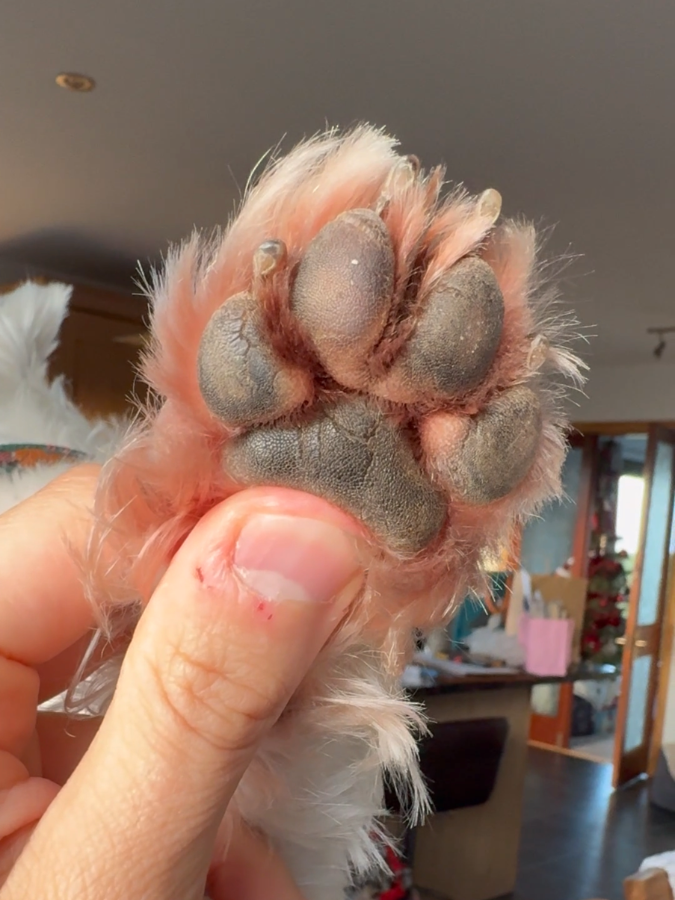
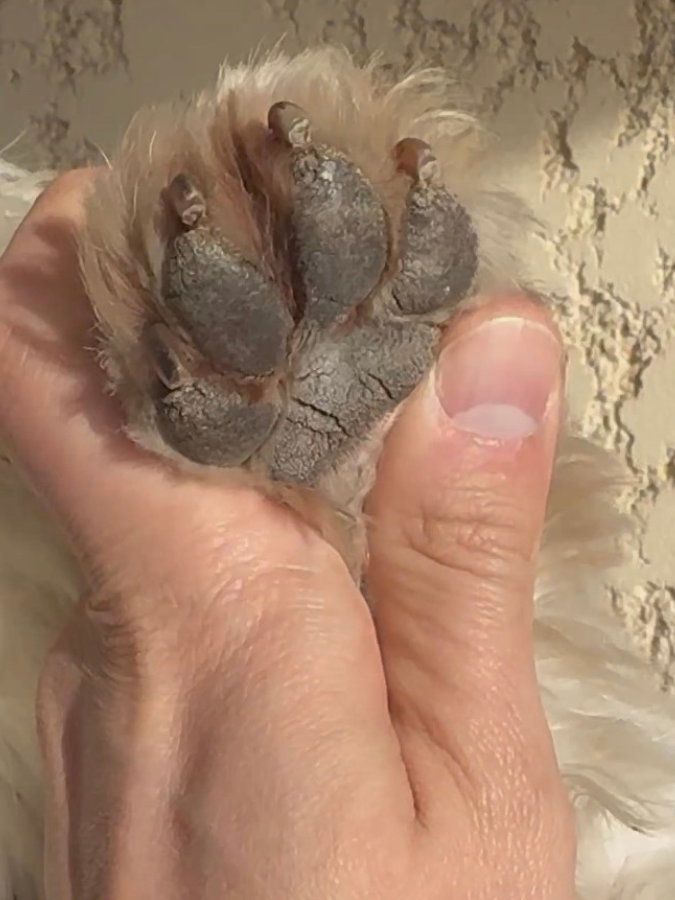
Itchy paws
“I half-believed it. Three weeks later, I’m a convert.”
Brian had tried almost everything for Hector’s itchy, stained paws. He found the VitaDog blog, read it end to end, and only half-believed it, but gave it a shot. Within three weeks the licking had calmed and the rust-colored staining was clearing. Now he won’t switch his 2-year-old Westie to anything else.
Brian · Hector’s owner
Try VitaDogIndividual results. VitaDog supports normal skin and coat health and is not a substitute for veterinary care.
Dog yeast infection treatments at a glance
| Approach | What it does | Speed | Typical cost | Main limitation |
|---|---|---|---|---|
| Antifungal shampoos & wipes | Reduce yeast on the skin, paws and folds | Days | $15-$30 | Does not address why it keeps returning |
| Gut, immune & skin support | Rebalances the gut and supports skin barrier and immune function | Weeks | $25-$70/mo | Not a fast fix for an active flare |
| Home remedies | Mild surface relief (ACV rinse, coconut oil, diet) | Variable | $5-$20 | Evidence is mixed; can irritate if misused |
| Veterinary prescription | Clears stubborn, systemic or ear infections | Days to weeks | Varies | Requires a diagnosis; not for casual use |
First, why surface treatment keeps failing
Yeast lives on the skin, but it is fed by what happens inside. Roughly 70% of the immune system sits in the gut, and a growing body of research points to a "gut-skin axis" in which the gut microbiome shapes skin barrier function and allergic, inflammatory responses. When the gut is out of balance, the skin becomes a friendlier place for Malassezia to take over. Scrub the surface all you like; if the terrain does not change, the yeast comes back.

This is also why a shampoo alone rarely ends the cycle. It is the right tool for an active flare, but it is a reset button, not a long-term strategy. For the full breakdown of at-home fixes ranked by evidence, see our companion guide: dog yeast infection home remedies.
Option 1: Antifungal shampoos and wipes
Medicated shampoos are the fastest way to knock down surface yeast. The most common contain chlorhexidine with miconazole or ketoconazole; enzymatic options and gentler cleansers also exist. Used two to three times a week during a flare, with the lather left on for ten minutes, they can bring visible relief within days.
- Best for: active flare-ups, itchy paws, skin folds and localized greasy patches.
- Strengths: fast, targeted, widely available, and useful for ears and paws where topicals reach easily.
- Limitations: the effect is temporary. Shampoos do nothing for the internal imbalance driving the overgrowth, so on their own they tend to become a weekly chore rather than a fix.
Think of topicals as the flare layer: reach for them to calm things down, not to keep things calm.
Option 2: Gut, immune and skin support (the prevention layer)
This is the layer most owners skip, and it is the one that changes the terrain. The goal is simple: rebuild a balanced gut, support the skin barrier, and give the immune system what it needs so yeast has less room to overgrow.
The evidence here has grown quickly. A 2025 randomized controlled study found that Lacticaseibacillus rhamnosus GG improved outcomes in dogs with atopic dermatitis, the itchy, inflamed skin condition that so often runs alongside yeast trouble.2 A separate 2025 study on multi-strain probiotics reported adjuvant benefit in canine atopic dermatitis alongside measurable shifts in both the gut and skin microbiome.3 Probiotics are not antifungal drugs, and they will not clear an acute infection on their own, but they are a legitimate part of a long-term, root-cause routine.
Not all gut-support products are equal. Here is how the common options compare:
- Single-strain probiotics (for example Purina FortiFlora): one bacterial strain, popular and vet-familiar, mainly aimed at digestion. A fine starting point, but narrow.
- Multi-strain probiotics with a prebiotic (for example Nutramax Proviable): several strains plus fiber to feed them, which better reflects how a healthy gut actually works.
- Daily all-in-one support (VitaDog): an 8-strain probiotic at 1 billion CFU, an inulin prebiotic to feed those strains, plus EPA and DHA omega-3s for the skin barrier and turmeric for everyday inflammatory support, all in one scoop. It is built as a daily terrain-and-coat routine rather than a single-purpose digestive powder.
The honest framing: if your dog's yeast keeps returning across the whole body, or you want to stop the cycle rather than manage it week to week, the internal layer is where the leverage is. VitaDog is a daily gut, immune and skin support, not a treatment for infection, and it works best paired with a topical during a flare.
Option 3: Home remedies
Home remedies belong in the picture for mild cases and tight budgets. A diluted apple cider vinegar rinse can lower surface pH, coconut oil may soothe dry patches, and cutting high-starch foods removes some of what feeds an imbalanced gut. The evidence is mixed and none of these is a cure, but as gentle, supportive steps they have a place.
We rank each home remedy by how much evidence actually backs it, and flag the ones that are a waste of time, in the full guide: dog yeast infection home remedies: what works and what does not.
The combination that actually works
The three approaches are not rivals; they are layers. The routine that ends the cycle usually looks like this:

- Calm the flare with a medicated shampoo two to three times a week until the skin settles.
- Fix the terrain with a daily gut, immune and skin routine so the yeast has less room to return.
- Support with diet by trimming high-starch foods and keeping ears and folds clean and dry.
Topical alone is a treadmill. Internal alone is slow during an active flare. Together, they treat the symptom and the cause.
When to see a vet
Home and over-the-counter approaches are for mild, uncomplicated cases. Book a veterinary visit if you see any of the following: a suspected ear infection (head shaking, odor or discharge), skin that is raw, bleeding or rapidly spreading, no improvement after two to three weeks, or a dog that is lethargic, off food or in obvious discomfort. Stubborn or systemic yeast often needs prescription oral antifungals and a proper diagnosis, which only your vet can provide.
Frequently asked questions
What is the best treatment for a dog yeast infection?
There is no single best treatment, because a flare and its root cause are two different problems. A medicated antifungal shampoo is best for calming an active flare, while a daily gut, immune and skin routine is best for stopping it from returning. Most dogs do best with both.
What can I give my dog for a yeast infection?
For the surface, a chlorhexidine or ketoconazole shampoo. For the underlying balance, a probiotic and prebiotic combined with skin-supporting omega-3s. Severe or ear infections need a veterinary prescription.
Do probiotics help with dog yeast infections?
Probiotics are not antifungal drugs and will not clear an active infection on their own, but research links certain strains to improved skin outcomes in dogs with atopic, inflammatory skin.2 They are a reasonable part of a long-term, root-cause routine rather than a quick fix.
How long does a dog yeast infection take to clear up?
A mild surface flare often improves within one to two weeks of consistent topical care. Rebuilding gut and skin balance so it stops recurring takes longer, usually several weeks, which is why the internal layer is a daily habit, not a one-off.
Can I treat a dog yeast infection at home?
Mild, localized cases can often be managed at home with a medicated shampoo, supportive home remedies and a daily gut and skin routine. See a vet if it involves the ears, does not improve, or is spreading. For the full at-home playbook, read our home remedies guide.
What food helps with dog yeast infections?
Lower-starch diets are commonly recommended, since excess simple carbohydrates can feed an imbalanced gut. Pair diet changes with a prebiotic and probiotic to support the beneficial bacteria that keep yeast in check.
Educational content only. This guide is not veterinary advice. VitaDog is a daily nutritional supplement, not a treatment or cure for any infection. Always consult your veterinarian before starting, changing or stopping any product, especially if your dog has a medical condition, is pregnant or is on medication.
Sources
- Malassezia dermatitis in dogs and cats. The Veterinary Journal, 2024. PMID 38431127
- Efficacy of Lacticaseibacillus rhamnosus GG in the treatment of canine atopic dermatitis: a randomized controlled study. Brazilian Journal of Microbiology, 2025. PMID 40839184
- Adjuvant therapeutic effects of probiotic strains on canine atopic dermatitis and their impact on the gut and skin microbiome. Animals (Basel), 2025. PMID 41227429