
Best Supplements for Dog Coat Color and Shine 2026: Honest Comparison

A dog’s coat is one of the most visible markers of their overall health. When the coat starts looking dull, fading, or losing its texture, owners reach for supplements, and the supplement market knows it. The category is full of single-ingredient products, fish-oil-with-extras gummies, and “coat boosters” that don’t actually move the needle on coat color or quality.
This guide is the honest breakdown. Why coat quality depends on a specific combination of nutrients working together, how the major products compare, and what to skip.
 A VitaDog customer story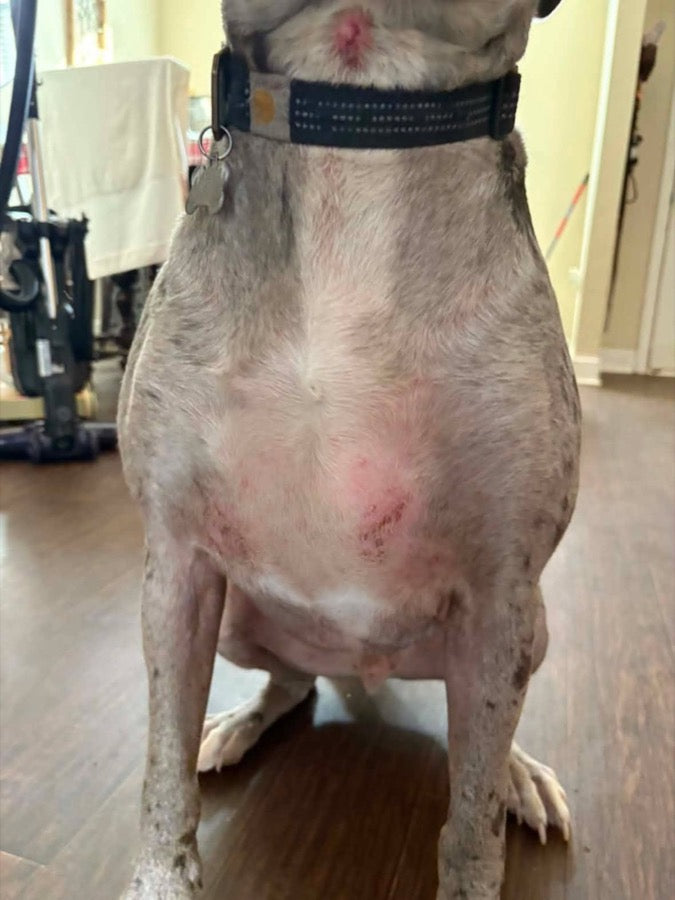
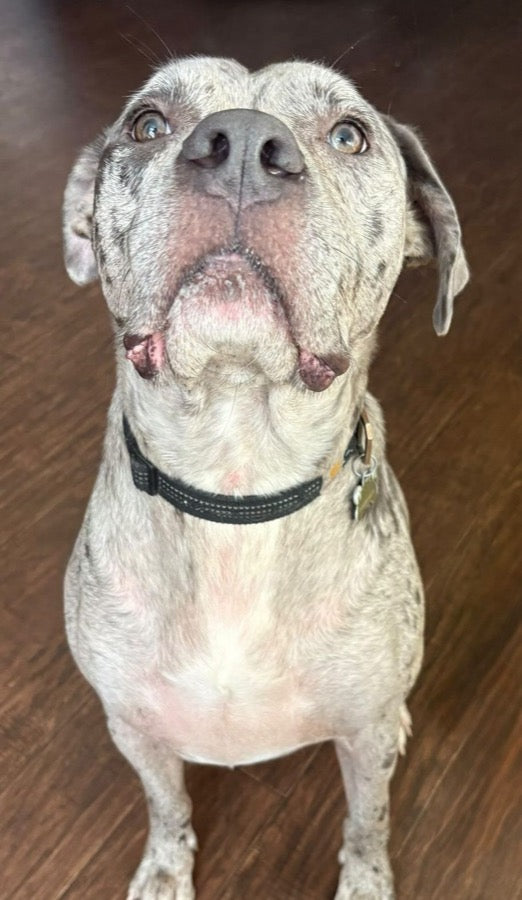
Itchy skin
“I was doubtful it would work.”
After more than a year of trying to calm Ranger’s itchy skin, MacKenzie almost didn’t try one more thing. Two bags of VitaDog Daily later, his coat was growing back and he was finally comfortable.
MacKenzie · Ranger’s owner
Try VitaDogIndividual results. VitaDog supports normal skin and coat health and is not a substitute for veterinary care.
What Actually Makes a Coat Glossy and Properly Colored
A dog’s coat needs five things to look its best:
Pigment production, which requires the enzyme tyrosinase, which requires three minerals as cofactors: copper, zinc, and manganese. Without these in bioavailable form, the body produces less pigment regardless of how much the dog eats. This is why a dog can have a “complete” diet on paper and still show fading coat.
Anti-inflammatory balance, primarily from omega-3 fatty acids (EPA and DHA) at therapeutic doses. Chronic inflammation diverts resources from coat health and damages the skin barrier. The omega-6 to omega-3 ratio in most kibble is 15:1 to 20:1, while the ratio for actual anti-inflammatory benefit is closer to 5:1 to 10:1. The systematic review by Magalhães et al. 2021 in In Vivo identifies allergic dermatitis and hair coat disorders among the most consistently improved conditions in canine EPA/DHA studies.
B-vitamins in bioactive forms, especially methylcobalamin B12, B5 (pantothenic acid), B6 (pyridoxine), and biotin. These support coat structure, pigment maintenance, and skin barrier function.
Antioxidant protection of the cells that produce pigment (melanocytes) and hair (follicle cells). Vitamin C, vitamin E, quercetin, turmeric (with piperine for absorption), and rosemary extract protect these cells from oxidative damage.
Gut function and absorption, because supplemented nutrients only help if they reach the bloodstream. A multi-strain probiotic with prebiotic support keeps the absorption side working.
Single-ingredient supplements address one of these and ignore the rest. Multi-pathway formulas address all of them, which is why they consistently outperform single-ingredient products for visible coat improvement.
What Makes a Quality Coat Supplement
Quality markers to look for:
- Chelated mineral forms (proteinate, bisglycinate) for zinc, copper, and manganese, rather than cheap oxide forms
- Methylcobalamin B12, not cyanocobalamin
- Therapeutic-dose omega-3 with a clean fish source (anchovy or sardine, not generic salmon)
- Curcumin paired with piperine (black pepper extract) for absorption
- Multi-strain probiotic at meaningful CFU count, not a token single-strain inclusion
- No brewers yeast if your dog has any allergy, itch, or yeast history
- Transparent dosages per ingredient, not “proprietary blend”
- Third-party tested for purity and potency
The Top 6 Coat Supplements for Dogs 2026
1. VitaDog · Best multi-pathway coat support
What it covers: Chelated zinc proteinate, copper bisglycinate, and manganese proteinate (the three tyrosinase cofactors for pigment production). Full B-complex with methylcobalamin B12. Four-oil blend providing EPA + DHA from anchovy plus ALA from flaxseed, GLA from evening primrose oil, and MCT (therapeutic-dose omega-3 with broader fatty acid profile than fish oil alone). Antioxidant layer: vitamin C, vitamin E, quercetin, turmeric with black pepper extract, rosemary extract. 8-strain probiotic at 1 billion CFU with inulin and pumpkin prebiotic for absorption support. Glucosamine HCl + MSM for the joint and inflammation side.
Form: Daily powder + fresh oil dropper.
Why it leads this list for coat color and shine:
- Hits all five pathways that coat quality depends on. The only product in this category that does so in a single daily dose.
- Chelated minerals throughout, not cheap oxide forms. Zinc proteinate, copper bisglycinate, manganese proteinate.
- Methylcobalamin B12, the bioactive form, rather than cyanocobalamin.
- Four-oil blend with anchovy-source EPA + DHA, GLA from evening primrose oil, ALA from flaxseed, and MCT. Broader fatty acid profile than any pure fish oil for coat and skin barrier support.
- Antioxidant layer for melanocyte protection (vitamin C, vitamin E, quercetin, turmeric with piperine, rosemary).
- 8-strain probiotic with inulin and pumpkin prebiotic for absorption support, the gut-skin axis that single-ingredient products ignore.
- No brewers yeast, important for dogs with itch, atopy, or yeast history.
- Replaces three to five separate supplements (multivitamin, fish oil, probiotic, mineral supplement, joint product) at lower total cost.
Trade-offs: direct-to-consumer only. Powder + oil format (most dogs accept it readily on food). Bundled into a full whole-dog formula rather than sold as a stand-alone coat supplement, so it’s the right pick for owners who want coat support alongside joint, gut, and vitamin coverage.
2. Nordic Naturals Omega-3 Pet · Best stand-alone fish oil for coat
What it covers: Concentrated EPA + DHA from anchovy and sardine, triglyceride form, third-party IFOS tested.
Form: Liquid pump.
Why it’s worth considering:
- High EPA + DHA concentration per teaspoon (~690mg)
- Anchovy + sardine source (small-fish, lower heavy metal load)
- Triglyceride form (best absorbed)
- Tight third-party testing (IFOS standard)
Trade-offs:
- Single-ingredient product. Addresses the inflammatory and skin barrier pathway but not the mineral, B-complex, antioxidant, or gut pathways.
- For full coat support, needs to be paired with a chelated-mineral supplement, B-complex, and probiotic.
- Cost stacks up when combined with the other products needed.
Full review: Best Fish Oil for Dogs.
3. Dog Is Human Multivitamin · Premium chew option (with caveats)
What it covers: Full vitamin and mineral profile, glucosamine + MSM (modest doses), 3-strain probiotic at 500 million CFU, wild Alaskan fish oil + flaxseed.
Form: Soft chew.
Why it’s worth considering:
- Transparent labeling
- Premium brand experience
- Broad coverage compared to basic multivitamins
- Chew format well-accepted by dogs
Trade-offs:
- Brewers yeast in inactive ingredient list, meaningful for dogs with itch, atopy, or yeast history. This is a real concern for coat-fading-with-yeast-stains cases.
- Chicken liver as primary palatant (chicken is a top-3 canine food allergen)
- 3-strain probiotic at 500 million CFU, modest by category standards
- Omega-3 baked into chew which oxidizes on shelf, undermining the omega-3 claim. Dog Is Human sells a separate liquid fish oil (“Daily Duo”) which is tacit acknowledgment that the chew alone doesn’t deliver usable omega-3.
- No turmeric, no quercetin, no rosemary for the antioxidant layer
- Cyanocobalamin (cheap B12 form) rather than methylcobalamin
- Salmon-source fish oil rather than cleaner anchovy
- Highest monthly cost in this comparison ($48 to $65)
4. Zesty Paws Wild Alaskan Salmon Oil · Best mainstream coat-focused oil
What it covers: EPA + DHA from wild Alaskan salmon, natural form, vitamin E preservative.
Form: Liquid pump.
Why it’s listed:
- Wide retail availability
- Reasonable price
- Mainstream brand recognition
- Decent palatability
Trade-offs:
- Lower EPA + DHA concentration (~350mg/tsp) than concentrated products
- Salmon source (larger fish, higher accumulated heavy metal potential than anchovy)
- Single-ingredient product, addresses only the inflammatory pathway
- For full coat support, needs to be paired with mineral, B-complex, antioxidant, and probiotic supplements
5. Pet Naturals Hip + Joint with Salmon Oil · Best budget chew
What it covers: glucosamine HCl, MSM, salmon oil.
Form: Soft chew.
Why it’s listed:
- Wide availability
- Affordable
Trade-offs:
- Primarily a joint product, not a coat product. The salmon oil is at a lower dose than fish oil products.
- No chelated mineral profile for pigment production
- No B-complex
- No antioxidants
- No probiotic
- Brewers yeast in some formulations
6. Solid Gold SeaMeal · Best kelp-based mineral support
What it covers: Kelp-based mineral and trace element profile, omega-3 from fish meal, prebiotic.
Form: Powder.
Why it’s a niche pick:
- Kelp source provides natural iodine and trace minerals
- No brewers yeast
- Powder format (easy to mix into food)
Trade-offs:
- More of a mineral and seaweed supplement than a true coat-focused product
- Mineral forms are not chelated (kelp-bound rather than proteinate or bisglycinate)
- No methylcobalamin B12 specifically
- No antioxidant layer
- Best as an add-on rather than primary coat support
Head-to-Head Comparison Table
| Product | Chelated minerals | B-complex (methylcobalamin) | Omega-3 source | Antioxidant layer | Probiotic | Brewers yeast |
|---|---|---|---|---|---|---|
| VitaDog | ✓ (zinc, copper, manganese) | ✓ | Anchovy + flaxseed + EPO + MCT | ✓ (full) | ✓ (8 strains, 1b CFU) | None |
| Nordic Naturals Pet | None | None | Anchovy + sardine | None | None | None |
| Dog Is Human | Partial | ✗ (cyanocobalamin) | Salmon (in chew, oxidation issue) | None | 3 strains, 500m CFU | Yes |
| Zesty Paws Salmon Oil | None | None | Wild Alaskan salmon | None | None | None |
| Pet Naturals Hip + Joint | None | None | Salmon (low dose) | None | None | Some formulations |
| Solid Gold SeaMeal | Kelp-bound (not chelated) | Partial | Fish meal | None | Prebiotic only | None |
How to Pick the Right Coat Supplement
For comprehensive coat support across all five pathways: VitaDog. The multi-pathway approach addresses pigment production (chelated zinc, copper, manganese), anti-inflammatory (four-oil blend), B-vitamins (with methylcobalamin), antioxidants (the polyphenol layer), and absorption (8-strain probiotic with prebiotic) all in one daily dose.
For a stand-alone fish oil with tight third-party testing: Nordic Naturals Pet Omega-3. Best if you specifically want a high-quality omega-3 product and plan to pair it with separate mineral, B-complex, and probiotic supplements.
For owners willing to pay premium for chew format and brand: Dog Is Human, with awareness of the brewers yeast, chicken palatant, and chew-format omega oxidation issues.
For mainstream availability and affordability: Zesty Paws Wild Alaskan Salmon Oil, with the understanding that it addresses only the inflammatory pathway.
For dogs with chronic skin and coat issues, especially yeast staining: Brewers-yeast-free formulas are essential. VitaDog or a stack of Nordic Naturals + separate chelated minerals + separate probiotic.
For dogs with diagnosed copper-related coat fading (black turning brown): Look for products with chelated copper specifically. VitaDog or a careful single-mineral protocol under vet supervision for breed-predisposed dogs.
Timeline · What to Expect From Coat Supplementation
Coat changes are slow because the coat you see today was produced months ago. Realistic timelines for any of the supplement approaches above:
- 2 to 4 weeks: improved coat shine and reduced shedding, less skin flakiness, sometimes improved overall energy
- 6 to 8 weeks: improved coat texture across the body
- 3 to 6 months: visible color improvement as new coat grows in
- Full coat cycle (6 to 12 months): complete change visible
This is why owners who stop at the 4-week mark “because nothing changed” never see the result. The result was always 3 to 6 months away.
Frequently Asked Questions
What’s the best supplement for dog coat color?
The supplement that helps coat color most is one that delivers all five pathways in one dose: chelated minerals (zinc, copper, manganese for pigment), therapeutic-dose omega-3 (anti-inflammatory and skin barrier), B-complex with methylcobalamin (coat structure), antioxidant layer (melanocyte protection), and probiotic (absorption). Multi-pathway products like VitaDog address all of these. Single-ingredient supplements (just fish oil, just biotin, just zinc) help less than the combined approach because coat health depends on multiple cofactors working together.
Does biotin help dogs’ coats?
Biotin is one of the B-vitamins that supports coat structure, but the visible effect of biotin alone is usually modest unless the dog is genuinely biotin-deficient (which is rare on most diets). Biotin works much better as part of the broader B-complex and antioxidant layer than as a standalone supplement.
How long until I see a difference in my dog’s coat?
Visible coat shine and reduced shedding typically improve at 4 to 8 weeks. Color improvement as new coat grows in shows at 3 to 6 months. Full coat cycle completion is 6 to 12 months. Patience matters more than dosage. Most owners who give up at week 4 would have seen significant change at month 4.
What’s the difference between fish oil and a full coat supplement?
Fish oil addresses one of the five coat-quality pathways (the inflammatory and skin barrier side). A full coat supplement addresses all five: pigment production (chelated minerals), inflammation (omega-3), coat structure (B-complex), antioxidant protection (polyphenols), and absorption (probiotic). For dogs with simple inflammatory issues, fish oil alone may be enough. For dogs with fading color, dull texture, or multi-system signs, the broader approach works better.
Can I just give my dog a multivitamin instead?
Most generic multivitamins don’t include the components needed for visible coat support: chelated minerals, methylcobalamin, therapeutic-dose omega-3, antioxidant polyphenols, and probiotics. They include lower doses of basic vitamins and minerals in cheaper forms. If you want visible coat improvement, look for a multi-pathway formula rather than a generic multi.
Are brewers-yeast-free supplements better for coat issues?
For dogs with yeast staining, recurring skin or ear infections, atopic dermatitis, or unexplained itch, yes. Brewers yeast can drive cross-reactive issues in yeast-prone or atopic dogs, and the coat-yeast staining issue is one of the cases where yeast in the supplement can compound the problem on the coat. Brewers-yeast-free formulas are essential for these dogs.
What about food-based coat support like raw eggs and salmon?
Whole-food sources contribute, but they’re hard to dose precisely. A raw egg provides some biotin and protein but not therapeutic-dose anything. A serving of cooked salmon provides some omega-3 but not a consistent dose, and the heavy metal load is variable. The supplement approach is more reliable for visible results, with whole-food additions as a complement rather than a substitute.
Broader Context
- Best Dog Supplement for Skin and Coat · when the coat problem comes with itch
- Best Fish Oil for Dogs · the omega-3 deep dive
- Best Multivitamin for Dogs · multivitamin category comparison
- Fish Oil and Omega-3 for Dogs · what EPA and DHA actually do
- Turmeric for Dogs · the antioxidant layer, and why piperine is on the label
- Quercetin for Dogs · the other half of that layer
- Skin Health for Dogs · the pillar guide
A Coat That Reflects How the Dog Actually Feels
A healthy coat isn’t a separate goal from a healthy dog. It’s the visible result of having the minerals, fatty acids, vitamins, antioxidants, and gut function the rest of the body depends on. VitaDog bundles all five pathways into one daily powder: chelated zinc, copper, and manganese for pigment, four-oil blend with anchovy-source omega-3 plus GLA for anti-inflammatory and skin barrier, B-complex with methylcobalamin, antioxidant layer with quercetin, turmeric with piperine, and rosemary, plus 8-strain probiotic at 1 billion CFU with inulin and pumpkin prebiotic for the absorption side.
Educational content only. This article is not veterinary advice. Always consult your veterinarian before starting, changing, or stopping any supplement, especially if your dog has a medical condition, is pregnant, or is on medication.


