
Module 06 · The decisions
Inside the formula
The "why" behind how VitaDog is built. These are the details keen customers ask about, and the ones that separate us from a cheaper chew.
Why is VitaDog a powder AND an oil, not one product?
The best form for the dry nutrients is the worst form for the oils - so we keep them apart.
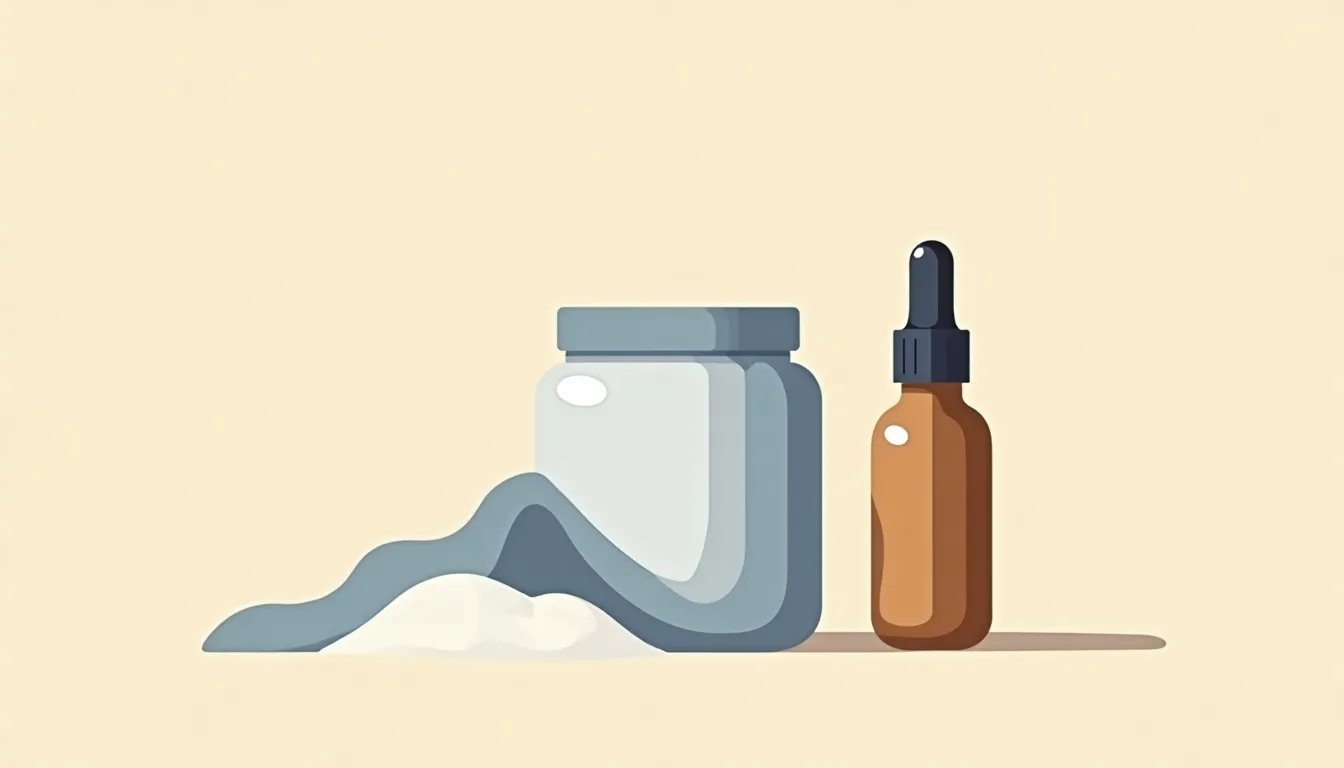
Dry actives stay stable and potent as a powder. Omega-3 oils stay potent only as a fresh liquid. Force them into one product and one side always suffers - usually the fragile omega, which oxidises the moment it's dried or baked in.
Splitting the system means each part is delivered in the form that keeps it effective: stable powder, fresh oil. Both go on the food at once, so for the owner it's still one simple routine. This single decision is the root of several others below.
Say it like this - "Two parts, one routine. The powder keeps the dry nutrients stable, the oil keeps the omega-3 fresh - together they do what a single mixed product can't."
Why anchovy oil instead of salmon oil?
Anchovies are tiny, short-lived and low on the food chain - so their oil is far purer.

Toxins like mercury, PCBs and dioxins concentrate as they move up the food chain - biomagnification. A big, long-lived fish like salmon accumulates far more of them than a small fish that lives fast and dies young.
Anchovies sit near the bottom of the chain, so their oil carries a fraction of the contaminant load while still being rich in the EPA and DHA that matter. Much salmon oil is also a by-product of farmed salmon; wild anchovy is cleaner and reproduces quickly, so it's more sustainable too. Notably, several competitors build their omega on salmon, pollock or krill - anchovy is a deliberate purity choice.
Say it like this - "Anchovies are small fish low on the food chain, so their oil is cleaner - just as rich in omega-3 as salmon, without the heavy metals bigger fish build up."
Why should omega-3 never be powderised?
Drying oil into a powder or baking it into a chew oxidises it - and oxidised omega does more harm than good.
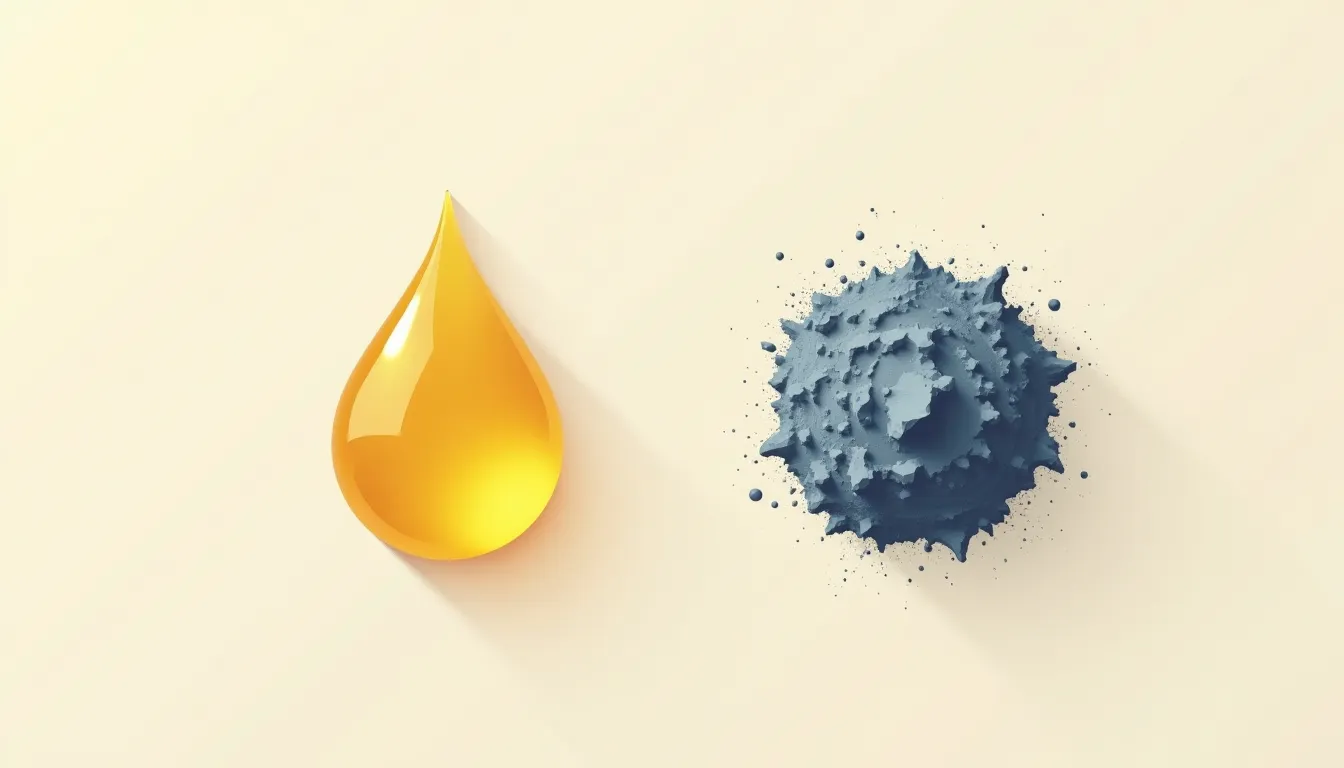
EPA and DHA are fragile, highly unsaturated fats. To put them in a powder or a soft chew you have to spray-dry, encapsulate or bake them - exposing them to heat, air and processing, the exact conditions that make oils go rancid.
Oxidised omega isn't just less effective; it introduces the free radicals and inflammation you were trying to reduce, so it can work against the dog. This is one of VitaDog's sharpest differentiators: many chew-based and single-powder "all-in-ones" bake or dry their omega straight into the product. VitaDog keeps it as a fresh liquid oil, separate from the powder.
Say it like this - "You can't powder or bake omega without damaging it. We keep the oil fresh and liquid so it actually works - a lot of chews have rancid omega before they reach the bowl."
Why an oil blend instead of a single oil?
No single oil covers everything - a blend gives a fuller, more balanced range of fats.
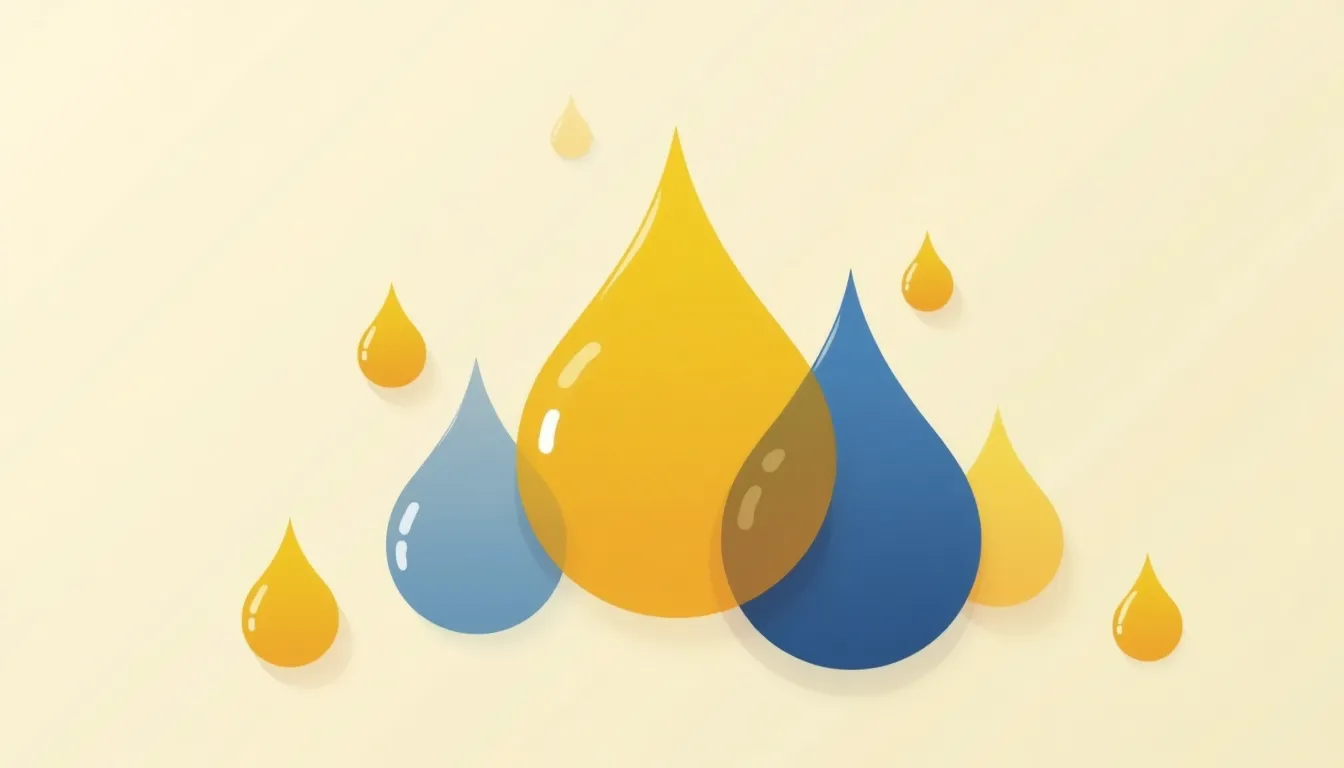
Different oils bring different strengths. Marine oil delivers the EPA and DHA dogs can't make well themselves; other oils help balance the omega-3 to omega-6 ratio and carry fat-soluble nutrients alongside them.
A thoughtful blend delivers a broader spectrum of healthy fats than any single source, and lets us balance the profile the way a dog's body actually uses it - rather than overloading one fatty acid and under-serving the rest.
Say it like this - "One oil can't do it all. The blend gives a balanced range of healthy fats instead of a big dose of just one."
Why is there vitamin E in the powder?
It does two jobs - protects the other nutrients, and dogs need more of it when omega intake rises.
Vitamin E is a fat-soluble antioxidant. In the product it acts as a natural preservative, shielding sensitive nutrients from oxidation so they stay effective. In the dog, it's a required nutrient in its own right - and here's the link: raising a dog's omega-3 intake increases their need for vitamin E, because those fats need antioxidant protection in the body too.
So it isn't padding. It's part of what makes the extra omega-3 safe and usable - which is also why raw and home-cooked diets, high in fat but low in vitamin E, so often need it added.
Say it like this - "Vitamin E keeps the formula fresh and protects the omega-3 inside your dog. More good fats means more need for vitamin E - so it belongs there."
Why turmeric with black pepper (piperine)?
On its own, almost none of the active in turmeric absorbs. Piperine can multiply absorption many times over.
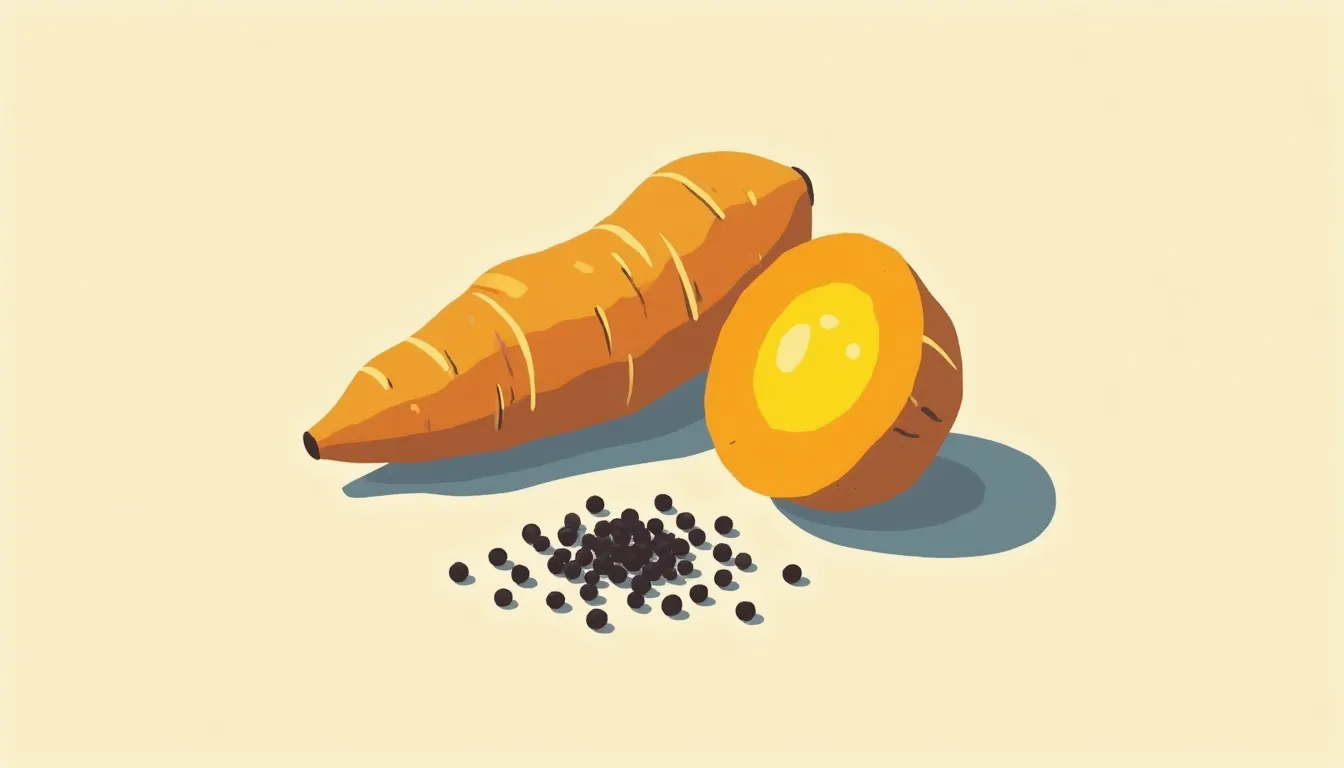
The active compound in turmeric, curcumin, is famously hard to absorb - taken up poorly and cleared fast, so most of it passes straight through unused. Piperine, from black pepper, slows the pathways that break curcumin down and flush it out, dramatically increasing how much reaches the bloodstream. Research has measured increases of around twentyfold.
Turmeric without a bioavailability solution is mostly a nice colour. It's worth knowing that some premium competitors solve this a different way (using patented curcumin forms rather than piperine), while cheaper products often just add plain turmeric and hope - so the honest, credible line is about bioavailability, not just the pepper.
Say it like this - "Turmeric barely absorbs on its own. The black pepper is what unlocks it - otherwise you're paying for a supplement that mostly passes through."
Clean fillers: what's in the base, and what isn't
Most of the gap between a premium supplement and a cheap one is the filler. Ours does a job - theirs usually doesn't.
The actives get the attention, but the base ingredients are where corners get cut - and where you can spot a premium product from a cheap one. To hold a soft chew together, or to bulk out a cheap scoop, a lot of brands reach for ingredients that do nothing for the dog, or actively work against the product.
What we leave out: brewers yeast (a common trigger for yeast-sensitive and allergy-prone dogs, and a filler you'll find across several big joint and multivitamin brands); cheap bulk oils like sunflower, canola or "vegetable oil" (these pile on omega-6 and pull against the anti-inflammatory omega-3 you're paying for); palm oil; and the starches and glycerin used purely as chew binders.
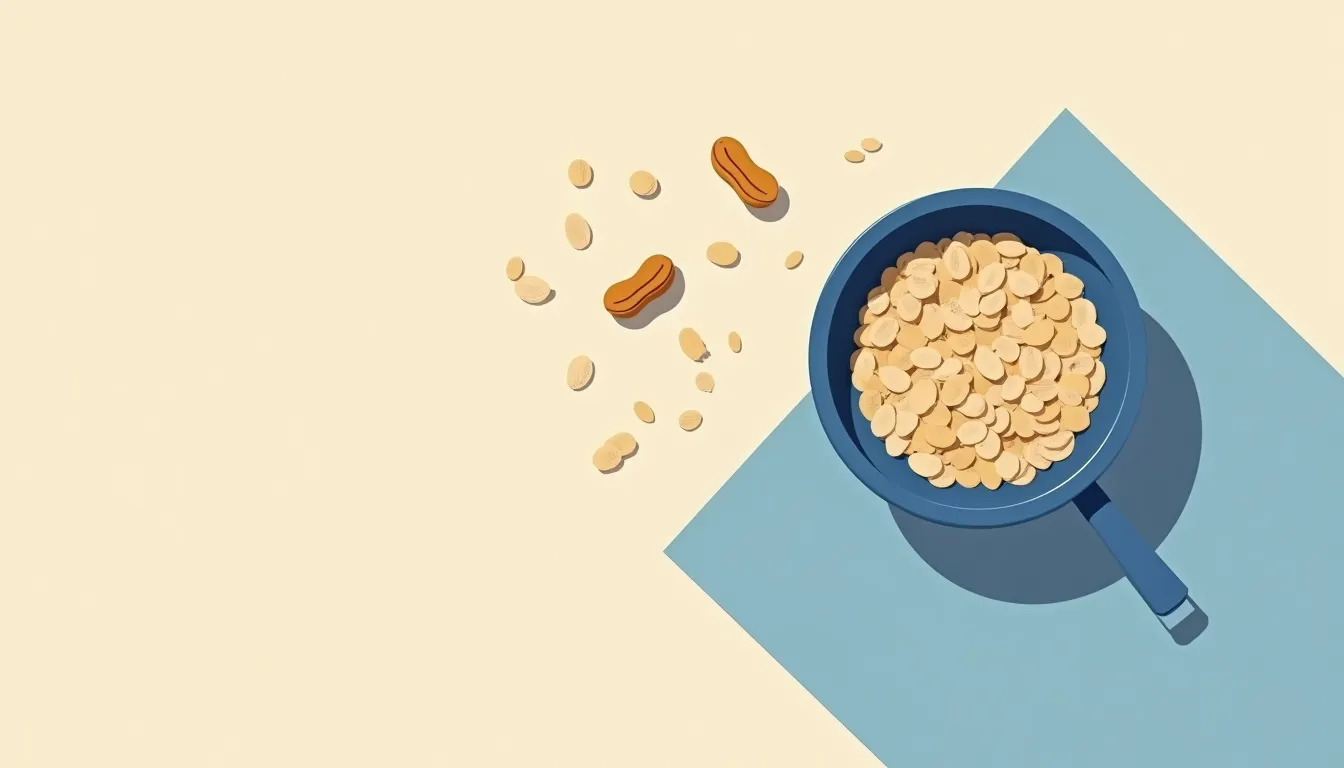
What we use instead: because VitaDog is a powder and oil, it needs no chew binders at all. And the base it does use earns its place. Oat flour brings beta-glucan, a soluble fibre that's gentle and soothing on digestion and gives slow-release energy. In the peanut butter version, peanut flour adds protein and a flavour dogs genuinely love, so the powder actually gets eaten - and there's a peanut-free beef version for dogs who need it. Whey protein rounds out the amino acid profile for muscle. Nothing in the base is just taking up space.
Clean fillers sound like a footnote. They're not. Given daily for years, the base is as much a quality signal as the actives - and it's one of the fastest ways to show an owner this is a premium product, not a repackaged cheap one.
Say it like this - "Look at the base, not just the actives. No brewers yeast, no cheap filler oils, no chew binders - just oat and peanut flour that add fibre, protein and a taste dogs love. Clean fillers are one of the biggest tells of a quality supplement."