
PetSmart vs Petco vs Independent: Where to Actually Buy Dog Supplies in Person
PetSmart, Petco or independent? When in-store buying makes sense, which retailer fits which need, and how to read the supplement aisle.

 A VitaDog customer story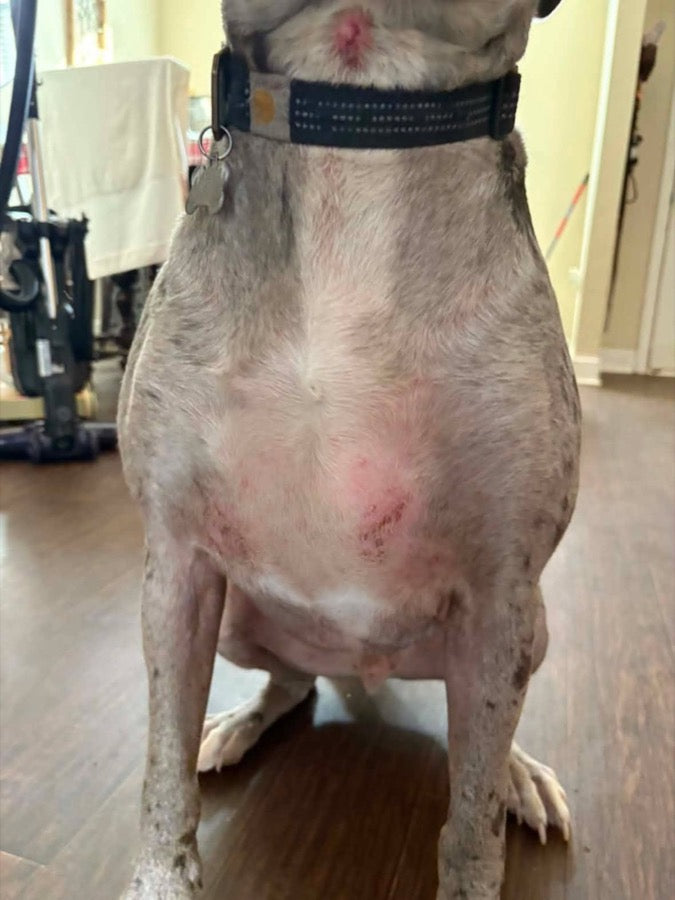

Itchy skin
“I was doubtful it would work.”
After more than a year of trying to calm Ranger’s itchy skin, MacKenzie almost didn’t try one more thing. Two bags of VitaDog Daily later, his coat was growing back and he was finally comfortable.
MacKenzie · Ranger’s owner
Try VitaDogIndividual results. VitaDog supports normal skin and coat health and is not a substitute for veterinary care.
PetSmart vs Petco vs Independent: Where to Actually Buy Dog Supplies in Person
Online pet retail dominates the conversation, but a meaningful share of dog owners still buy in-store at least some of the time. Brick-and-mortar pet retail in the US is dominated by two big-box chains (PetSmart, Petco), a tier of regional chains (Pet Supplies Plus, Pet Valu, Tractor Supply), and thousands of independent neighborhood stores.
Each tier has different strengths, weaknesses, and category specializations. This guide is the honest take on when in-store buying makes sense, which retailer fits which need, and how to navigate the supplement aisle specifically (where formulation quality varies wildly across the same shelf).
The Big Two: PetSmart vs Petco
These two chains together account for the majority of US pet retail square footage. They’re broadly similar but with meaningful differences worth knowing.
PetSmart
Owned by: BC Partners (private equity), since 2017. Acquired Chewy that same year, which is why Chewy and PetSmart often share fulfillment and inventory systems.
Stores: Roughly 1,650 locations across the US and Canada.
Catalog focus:
- Strong on dog and cat food (broad mainstream brands plus mid-tier premium)
- Decent supplement aisle (mainstream brands, some premium)
- Moderate selection of toys, beds, leashes
- Grooming services in-store at most locations
- Doggie Day Camp at some locations
- PetSmart Charities adoption events with humane societies
Pricing: Generally higher than Chewy or Amazon for the same SKUs. Loyalty program offers points-based rewards but the math rarely beats online subscription pricing.
Where PetSmart wins:
- Same-day need for routine supplies (treats, toys, food in a pinch)
- Pet adoption events through their charity partnerships
- In-store grooming if you don’t have a local groomer you prefer
- Hands-on product evaluation for items like beds, harnesses, and crates where size and material quality matter
Petco
Owned by: CVC Capital Partners and Canada Pension Plan Investment Board.
Stores: Roughly 1,500 locations across the US, Mexico, and Puerto Rico.
Catalog focus:
- Similar dog and cat food breadth to PetSmart
- Slightly stronger on premium and natural-positioning supplements
- In-store veterinary services (Vetco Total Care) at growing number of locations
- Live small animal sales (fish, reptiles, birds, small mammals)
- Grooming services
Pricing: Comparable to PetSmart. Pals Rewards offers loyalty discounts.
Where Petco wins:
- In-store vet services at Vetco Total Care locations (vaccinations, wellness exams, sometimes minor procedures), typically lower-cost than traditional vet practices for routine care
- Premium supplement positioning is slightly stronger than PetSmart, with brands like Nordic Naturals and some specialty lines more reliably stocked
- Live animal selection if you have non-dog pets to consider
PetSmart vs Petco: the honest take
For dog supplies specifically, the two chains are functionally interchangeable for most owners. The biggest practical difference is which chain is closer to you. Pricing, selection, and product quality differences are smaller than the marketing might suggest.
Neither chain is the cheapest option for routine supplies. The reason owners still shop there: convenience, immediate availability, hands-on browsing, and in-store services (grooming, basic vet care).
The Regional and Specialty Chains
Pet Supplies Plus
Roughly 750 locations, mostly East Coast and Midwest. Generally a step up in quality positioning versus the big-two chains, with stronger emphasis on natural and premium brands. Pricing tends to be slightly above PetSmart/Petco but with better staff knowledge in the supplement and food aisles.
Pet Valu
Roughly 600 locations across the US (more dense in Canada). Similar positioning to Pet Supplies Plus with regional variation in selection.
Tractor Supply
Not exclusively a pet store, but their pet section is meaningful, especially for rural and large-property owners. Strong on outdoor dog needs (kennels, larger food bags, working-dog supplies). Weaker on premium supplements.
Natural Pet Stores (independent specialty)
Many regions have independent natural pet stores focused on raw food, holistic supplements, and premium brands not stocked at the big-box chains. Quality varies enormously by store. The best ones have genuinely knowledgeable staff and curated selections; the marginal ones are just expensive versions of the same products available cheaper online.
If you have a strong independent natural pet store nearby, it’s worth establishing a relationship, staff who know your dog can provide useful guidance on diet rotation, supplement selection, and brand quality that you won’t get from chain employees.
When In-Store Makes Sense (And When It Doesn’t)
In-store wins for:
- Same-day or emergency needs (your dog ate something problematic and you need a specific food or supplement now)
- Hands-on evaluation of beds, crates, harnesses, leashes, collars where fit and material matter
- First-time food purchases to compare bag sizes and read full ingredient lists in person
- Adoption events and charity partnerships
- Grooming services and basic vet care where the in-store model is convenient
- Building relationships with knowledgeable independent store staff who can guide longer-term decisions
- Walking your dog into the store for socialization and supply test-fits
Online wins for:
- Routine recurring purchases (dog food, supplements, treats you’ve validated)
- Better pricing on the same SKUs (typically 10 to 30% cheaper)
- Premium and DTC brands not stocked at chain retail
- Prescription medications (Chewy Pharmacy or vet’s pharmacy)
- Larger pack sizes and bulk pricing
- Detailed reviews and brand information for research-heavy purchases
For most owners, the practical pattern is: routine supplies online (Chewy autoship is the default), occasional in-store visits for specific needs.
The Supplement Aisle Specifically
In-store supplement buying has its own quirks worth knowing.
What’s actually on the shelf
Big-box chain supplement aisles are dominated by:
- Mainstream brands with retail distribution deals (NaturVet, Pet Naturals, Zesty Paws, PetLab in some regions)
- Vet-channel adjacent brands (Cosequin, Dasuquin vs Cosequin in some locations)
- Store-brand products at value pricing
- Limited premium brand presence (Nordic Naturals, some others, varies by chain and region)
What’s typically NOT on the shelf:
- Direct-to-consumer premium brands (most DTC supplement brands skip retail entirely)
- Subscription-model formulations (Dog Is Human, VitaDog, similar)
- Specialty practitioner brands (Adored Beast, Standard Process Veterinary)
- Newest reformulations and innovative products (retail distribution lags 12 to 18 months behind direct sales)
What this means for supplement quality
The retail supplement aisle skews toward brands that have signed retail distribution deals, which correlates with marketing budget and supply chain scale, not necessarily formulation quality. Genuinely high-quality canine supplement formulations are often direct-to-consumer specifically because the retail margin structure (50%+ markup from manufacturer to shelf) doesn’t leave room for both quality ingredients and competitive shelf pricing.
The mass-market chew formats dominating PetSmart and Petco supplement shelves often have:
- Brewers yeast as binder (problematic for itch and yeast-prone dogs)
- Single-strain or low-CFU probiotics
- Turmeric without piperine (1 to 2% bioavailability, largely wasted)
- Generic salmon oil (not anchovy)
- No GLA from evening primrose oil
- Cyanocobalamin (cheap B12) rather than methylcobalamin
These formulations work fine for healthy non-sensitive dogs as a general daily multivitamin. They fall short for dogs with allergies, atopic skin, recurrent ear issues, joint problems, or specific health concerns.
For the broader supplement comparison and quality criteria, see Best All-In-One Dog Supplement.
How to navigate the supplement aisle
If you’re buying in-store, the practical filters:
1. Check the label for piperine on any turmeric product. No piperine, no real curcumin absorption. Skip.
2. Look for brewers yeast in the inactive ingredient list. If your dog has any allergy, itch, or yeast history, this is a hard skip.
3. Count the probiotic strains. Three or fewer is modest by modern standards; five-plus is meaningful.
4. Check the fish oil source. “Anchovy” or “sardine” beats “salmon” for purity per dose. Generic “fish oil” without source naming is the weakest signal.
5. Read CFU counts on probiotics. Below 1 billion CFU per serving is low for daily use.
6. Avoid “proprietary blends” without per-ingredient dosing.
Most chain-retail supplements fail at least one of these checks. That’s not necessarily disqualifying, but it’s why owners with specific health issues often end up sourcing premium supplements direct from brands or through Chewy rather than from the local PetSmart shelf.
Vet Office Sales
A separate retail tier worth mentioning: many veterinary practices sell supplements directly from the office. Some carry a curated selection (often Hill’s, Royal Canin therapeutic diets, Cosequin, sometimes Dasuquin Advanced and Proviable as vet-channel exclusives). Quality is generally higher than big-box retail, but pricing is also higher.
When vet office supplement purchases make sense:
- Vet has specifically prescribed a product, convenient to pick up at the same visit
- Therapeutic prescription diets that need vet authorization
- Vet-channel-exclusive products (Dasuquin Advanced, Proviable, in some regions)
- You want vet-curated quality assurance at the cost of premium pricing
When to skip vet office sales:
- For routine maintenance products that aren’t medication-tier, Chewy or direct-from-brand is typically cheaper
- For products that don’t require prescription but are on the vet shelf at marked-up prices
Frequently Asked Questions
Is PetSmart or Petco better?
For dog supplies specifically, they’re functionally interchangeable for most owners. PetSmart’s connection to Chewy means inventory and supply chain similarities. Petco has slightly stronger premium positioning and Vetco Total Care for in-store vet services. Whichever is closer to you usually wins on practical convenience.
Can I bring my dog to PetSmart and Petco?
Yes. Both chains explicitly welcome dogs in-store, on leash. Most stores have water bowls, treat samples, and dog-friendly staff. Use this for socialization opportunities and to test-fit harnesses, beds, and other physical supplies.
Is in-store dog food cheaper than Chewy?
Generally no. Chewy autoship and Amazon Subscribe & Save typically beat in-store pricing by 10 to 25% on the same SKU. The exception is occasional in-store sales and bulk-bag promotions where the in-store price drops below online.
Are vet office supplements better than retail?
Sometimes. Vet office shelves are typically curated for quality (Cosequin, Dasuquin, Hill’s therapeutic diets, etc.) but pricing is higher than online retail for the same products. Vet-channel-exclusive products like Dasuquin Advanced and Proviable are only available through vets or Chewy with vet authorization.
Why aren’t premium brands on PetSmart or Petco shelves?
The retail margin structure, typically 40 to 60% markup from manufacturer to shelf, doesn’t leave room for both premium-quality ingredients and competitive shelf pricing. Most premium DTC supplement brands maintain direct sales (and Chewy distribution) to keep ingredient quality high without inflated retail markup. Brands you find at PetSmart or Petco generally have either lower ingredient costs or higher consumer prices to support the retail margin.
Should I buy supplements at PetSmart or order online?
Order online for premium and quality-sensitive supplements. Buy in-store at PetSmart or Petco only if you need something same-day or you’re buying mainstream brands where the convenience offsets the price markup. The supplement quality dynamics on chain retail shelves often favor marketing budget over formulation quality.
Is Pet Supplies Plus better than PetSmart?
Slightly different positioning. Pet Supplies Plus tends toward natural and premium brand emphasis, with smaller stores and typically more knowledgeable staff. Pricing is comparable to PetSmart, occasionally higher for some categories. If a Pet Supplies Plus is convenient, it’s a reasonable alternative to PetSmart for in-store needs.
Where can I buy premium DTC dog supplements in person?
Generally not at chain retail. Premium DTC brands like VitaDog typically don’t distribute through PetSmart or Petco, the retail margin economics don’t fit the formulation quality strategy. Available paths: direct from the brand’s website (subscription pricing typically best), or through Chewy autoship. Some independent natural pet stores carry select premium DTC brands, but availability varies regionally.
Broader Context
- Chewy for Dog Owners, online marketplace comparison
- Buying Dog Supplements on Amazon, Amazon-specific buyer’s guide
- Best All-In-One Dog Supplement, broader brand comparison
Educational content only. This article is not veterinary advice. Always consult your veterinarian before starting, changing, or stopping any supplement, especially if your dog has a medical condition, is pregnant, or is on medication.


