
Best Dog Joint Supplement for Hip Dysplasia: What Actually Helps


A hip dysplasia diagnosis is scary. Your vet shows you the x-ray, the ball doesn’t sit properly in the socket, and suddenly you’re facing decisions about surgery, medication, and long-term management.
Here’s the reality: supplements won’t fix the structural abnormality. No pill rebuilds a malformed hip joint. But the right combination of supplements can significantly reduce pain, slow cartilage loss, and improve mobility and quality of life, often for years.
This guide covers what works, what doesn’t, and how to build a supplement protocol specifically for dogs with hip dysplasia.
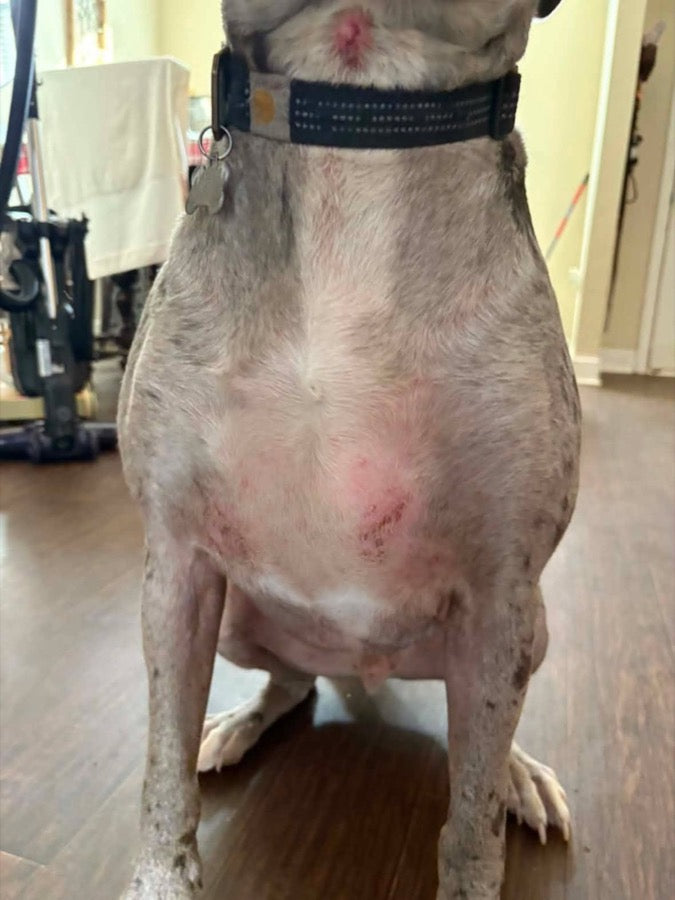
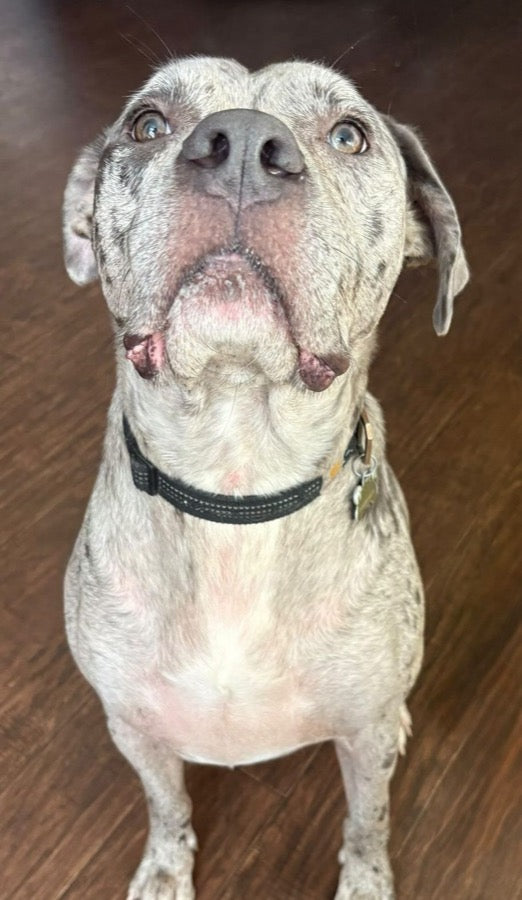
Itchy skin
“I was doubtful it would work.”
After more than a year of trying to calm Ranger’s itchy skin, MacKenzie almost didn’t try one more thing. Two bags of VitaDog Daily later, his coat was growing back and he was finally comfortable.
MacKenzie · Ranger’s owner
Try VitaDogIndividual results. VitaDog supports normal skin and coat health and is not a substitute for veterinary care.
What Is Hip Dysplasia?
Hip dysplasia is a developmental condition where the ball (femoral head) and socket (acetabulum) of the hip joint don’t fit together properly. Instead of gliding smoothly, the joint moves loosely, causing abnormal wear, cartilage damage, inflammation, and eventually arthritis.
It’s primarily genetic, most common in large and giant breeds:
- German Shepherd (most commonly affected breed)
- Labrador Retriever
- Golden Retriever
- Rottweiler
- Great Dane
- Saint Bernard
- Bulldog (English and French)
But environmental factors matter too: rapid growth, excess weight during puppyhood, over-exercise before growth plates close, and nutritional imbalances can all worsen genetic predisposition.
Severity ranges widely. Some dogs with mild dysplasia live comfortably with conservative management (weight control + supplements + moderate exercise). Others with severe dysplasia need surgical intervention (FHO, TPO, or total hip replacement).
For the broader picture of degenerative joint disease, see our DJD in Dogs guide.
Severity framework
| Severity | Signs | Approach |
|---|---|---|
| Mild | Occasional stiffness, slightly shorter walks, x-ray shows mild laxity | Conservative: weight management + supplements + controlled exercise |
| Moderate | Regular stiffness, reluctance to jump/climb, visible gait changes | Supplements + possible prescription NSAIDs + physical therapy. Discuss surgical options. |
| Severe | Significant lameness, muscle wasting, chronic pain, x-ray shows extensive changes | Surgery likely needed (FHO, TPO, or total hip replacement) + supplements for long-term post-surgical support |
How Supplements Help Hip Dysplasia
Supplements target three aspects of the condition:
1. Reduce inflammation
The loose-fitting joint creates chronic inflammation as cartilage wears and bones rub. This inflammation causes pain and accelerates further joint damage. Anti-inflammatory supplements (omega-3, turmeric, quercetin) break this cycle. A multicentre RCT in the Journal of the American Veterinary Medical Association (Roush et al. 2010) evaluated dietary omega-3 in 127 dogs with osteoarthritis over 24 weeks and reported owner-rated improvements in mobility.
2. Support remaining cartilage
The cartilage in a dysplastic hip wears faster than normal. Glucosamine and MSM provide the raw materials and biochemical support for cartilage maintenance, slowing the rate of loss. A randomised double-blind positive-controlled trial in The Veterinary Journal (McCarthy et al. 2007) assessed the efficacy of glucosamine and chondroitin sulfate for treatment of canine osteoarthritis.
3. Maintain synovial fluid
The joint fluid that lubricates and cushions the hip thins with inflammation. Glucosamine stimulates hyaluronic acid production, helping maintain fluid viscosity and joint cushioning.
What supplements cannot do: they cannot reshape the joint, regrow severely damaged cartilage, or replace surgical intervention in severe cases. They are part of a management strategy, not a standalone solution.
The Best Supplement Protocol for Hip Dysplasia
Essential ingredients (non-negotiable)
Glucosamine HCl · 20-25 mg per pound of body weight
Higher end of the dosage range for dysplastic dogs. A 70-lb dog needs 1,400-1,750 mg daily. Glucosamine HCl is preferred over glucosamine sulfate for higher bioavailability. See Glucosamine for Dogs.
Many orthopedic veterinarians recommend a 6-week loading phase at 1.5x the standard dose, then dropping to maintenance. This saturates the joint tissue faster.
MSM · 50-100 mg per 10 pounds of body weight
The anti-inflammatory partner to glucosamine. MSM reduces swelling, supports connective tissue repair, and has been shown to enhance the effectiveness of glucosamine in multiple studies. A 70-lb dog needs 350-700 mg daily. See MSM for Dogs.
Omega-3 (EPA + DHA) · 100 mg+ per 10 pounds of body weight
At the high end of the dosage range. The goal is maximum anti-inflammatory effect. A 70-lb dog with hip dysplasia should get 700 mg+ of combined EPA and DHA daily. Fish oil is the most effective source. See Fish Oil Dosage for Dogs.
This is the foundation. These three ingredients address cartilage maintenance, inflammation, and joint lubrication, the three targets that matter most for hip dysplasia.
Highly recommended additions
Turmeric (curcumin) with piperine: adds another layer of anti-inflammatory action. Curcumin inhibits the inflammatory enzymes (COX-2) that drive joint pain. Must be combined with piperine or a fat-based delivery for absorption. See Turmeric for Dogs.
Chondroitin sulfate: complements glucosamine by helping cartilage resist compression and retain water. Particularly relevant for dysplastic hips where cartilage is under abnormal mechanical stress.
Green-lipped mussel: natural multi-pathway joint support with growing evidence. Particularly valuable for dysplastic dogs where you want maximum anti-inflammatory layers. See Green Lipped Mussel for Dogs.
Vitamin E: antioxidant that protects joint tissue from oxidative damage caused by chronic inflammation. Also supports muscle health, important because dogs with hip dysplasia rely more on muscle support to compensate for joint instability. See Vitamin E for Dogs.
Quick note · Daily nutritional support matters for almost every aspect of canine health. VitaDog packages the full joint stack (glucosamine HCl, MSM, turmeric with piperine) plus therapeutic-dose omega-3 and multi-strain probiotic into one daily powder, exactly the multi-angle support a dysplastic dog needs.
The whole-body factor
Dogs with hip dysplasia often compensate by shifting weight, putting more stress on the spine, shoulders, and opposite hip. They also tend to be less active, leading to muscle loss and weight gain, which worsens the condition.
A comprehensive supplement that includes gut support (probiotics for nutrient absorption and immune regulation), antioxidants (for cellular protection), and broad nutritional support gives the entire body the resources to manage the condition, not just the affected joint.
VitaDog delivers a vet-approved joint stack (glucosamine HCl, MSM, turmeric with piperine, plus 30+ other actives) plus therapeutic-dose omega-3, multi-strain probiotic, and full vitamin profile in one daily powder, designed exactly for complex cases like dysplasia where multi-angle support matters. See the VitaDog formulation.

Supplements vs Surgery · When Do You Need Each?
Important: supplements are most effective for mild to moderate cases and as part of post-surgical recovery. In severe cases, supplements alone won’t provide adequate pain control, your dog needs veterinary intervention.
Supplements after hip surgery
Most orthopedic surgeons recommend starting joint supplements 2-4 weeks after surgery:
- Glucosamine + MSM for tissue healing and long-term cartilage support
- Omega-3 for anti-inflammatory recovery
- Probiotics if post-surgical antibiotics were prescribed
The 5-Point Management Plan for Hip Dysplasia
Supplements are one piece of a comprehensive approach:
1. Weight management (most impactful single factor)
Every extra pound of body weight puts 4 extra pounds of force on the hip joints. A dog at ideal weight with hip dysplasia has dramatically better outcomes than an overweight dog on the best supplement protocol. Work with your vet to determine ideal weight and a feeding plan.
2. Controlled exercise
Movement is essential, it maintains muscle mass that supports the joint and promotes synovial fluid circulation. But the type of exercise matters:
Good: swimming (the best exercise for dysplastic dogs, zero joint impact), leash walks on flat surfaces, gentle hiking, underwater treadmill therapy
Bad: fetch on hard surfaces (sudden stops and pivots), jumping (in/out of cars, onto furniture), running on concrete, dog parks (unpredictable activity levels)
3. Daily supplementation
The joint support protocol described above: glucosamine + MSM + omega-3, ideally as part of a comprehensive daily supplement.
4. Environmental modifications
- Ramps for cars and beds (eliminate jumping)
- Non-slip flooring (rugs on hardwood/tile)
- Orthopedic bed with supportive foam
- Raised food and water bowls (less neck/spine strain)
- Keep nails trimmed (long nails alter gait mechanics)
5. Veterinary partnership
Regular check-ups to monitor progression. Discuss prescription options if supplements alone aren’t maintaining comfort. Physical therapy or acupuncture can complement the supplement protocol.
Breed-Specific Dosing
| Breed | Typical adult weight | Daily glucosamine | Daily omega-3 (EPA+DHA) | Notes |
|---|---|---|---|---|
| German Shepherd | 65-90 lbs | 1,300-2,250 mg | 650-900+ mg | Most commonly affected breed. Often also has gut sensitivity, add probiotics. |
| Labrador | 55-80 lbs | 1,100-2,000 mg | 550-800+ mg | Weight management critical, Labs tend toward obesity. |
| Golden Retriever | 55-75 lbs | 1,100-1,875 mg | 550-750+ mg | Also prone to cancer, antioxidant support beneficial. |
| Rottweiler | 80-135 lbs | 1,600-3,375 mg | 800-1,350+ mg | Large dosage needs, powder format more practical than chews. |
| Great Dane | 110-175 lbs | 2,200-4,375 mg | 1,100-1,750+ mg | Highest dosage needs. Multiple scoops of powder or many chews daily. |
| Bulldog | 40-55 lbs | 800-1,375 mg | 400-550+ mg | Also prone to skin issues, quercetin and probiotics add value. |
Timeline · What to Expect
| Month | What’s happening |
|---|---|
| Month 1 | Supplements building in system. May see slightly less stiffness by week 3-4. |
| Month 2 | Noticeable improvement in willingness to walk, play, or climb. Less time needed to “warm up” after rest. |
| Month 3 | Full supplement benefit. Mobility should be measurably better. Reassess with your vet. |
| Month 6+ | Ongoing maintenance. Compare x-rays to baseline, cartilage loss should be slower than expected without supplementation. |
If you see no improvement after 3 months of consistent daily supplementation at therapeutic doses, discuss alternative approaches with your vet. The joint damage may require more aggressive intervention.
Related Reading
Hub guide: - Complete Dog Joint Health Guide
Condition-specific: - DJD in Dogs (Degenerative Joint Disease)
Product comparisons: - Best Joint Supplement for Dogs 2026 - Cosequin for Dogs Review - Dasuquin vs Cosequin
Ingredient deep-dives: - Glucosamine for Dogs - MSM for Dogs - Green Lipped Mussel for Dogs - Fish Oil & Omega-3 for Dogs - Fish Oil Dosage for Dogs - Turmeric for Dogs
The VitaDog approach: - VitaDog Full Formulation
Frequently Asked Questions
Can glucosamine reverse hip dysplasia in dogs?
No. Glucosamine cannot change the structure of the hip joint. It supports the cartilage within the joint, reduces inflammation, and slows the progression of arthritis that develops secondary to dysplasia. Think of it as slowing the damage, not reversing it.
When should I start supplementing a puppy diagnosed with hip dysplasia?
Discuss with your vet, but generally: start omega-3 immediately (safe at any age) and add glucosamine once growth plates begin closing (around 10-14 months for large breeds). Some orthopedic vets recommend glucosamine earlier. Don’t start without veterinary guidance for puppies.
Is hip dysplasia surgery worth it if I’m already supplementing?
For severe cases, yes. Surgery (especially total hip replacement) can be life-changing for dogs with advanced dysplasia where conservative management isn’t providing adequate comfort. Supplements then become part of the post-surgical recovery and long-term maintenance plan.
My dog has hip dysplasia in both hips. Does that change the supplement protocol?
The supplement protocol is the same, it’s systemic, not joint-specific. The ingredients circulate through the bloodstream and support all joints. Bilateral dysplasia makes weight management and controlled exercise even more critical.
Can I give my dog Cosequin for hip dysplasia?
Cosequin contains glucosamine + chondroitin and is a well-known veterinary joint supplement. It’s a reasonable option. However, it doesn’t include MSM at full dose, omega-3, or anti-inflammatory compounds, so you’d need additional supplements for a complete hip dysplasia protocol. See the full Cosequin Review.
How much does managing hip dysplasia with supplements cost?
Individual supplement stacking (glucosamine + MSM + fish oil + multivitamin) typically costs $80-$120/month for a large dog. A comprehensive all-in-one supplement runs lower and simpler to dose. Compare this to Rimadyl/Metacam ($50-$100/month), physical therapy ($75-$150/session), or surgery ($3,000-$7,000+ per hip).
Broader Context
- Diagnosing Hip & Elbow Dysplasia in Dogs · diagnosis criteria and severity grading
Slow the Damage, Keep Them Moving · Daily Support with VitaDog
Hip dysplasia management is a long game: weight control, controlled exercise, and consistent daily supplementation. VitaDog delivers the complete joint stack at therapeutic doses (glucosamine HCl, MSM, turmeric with piperine) plus omega-3, in a single powder that mixes into food.
→ Build a daily protocol that protects your dog’s hips · see VitaDog.
Educational content only. This article is not veterinary advice. Always consult your veterinarian before starting, changing, or stopping any supplement, especially if your dog has a medical condition, is pregnant, or is on medication.

